
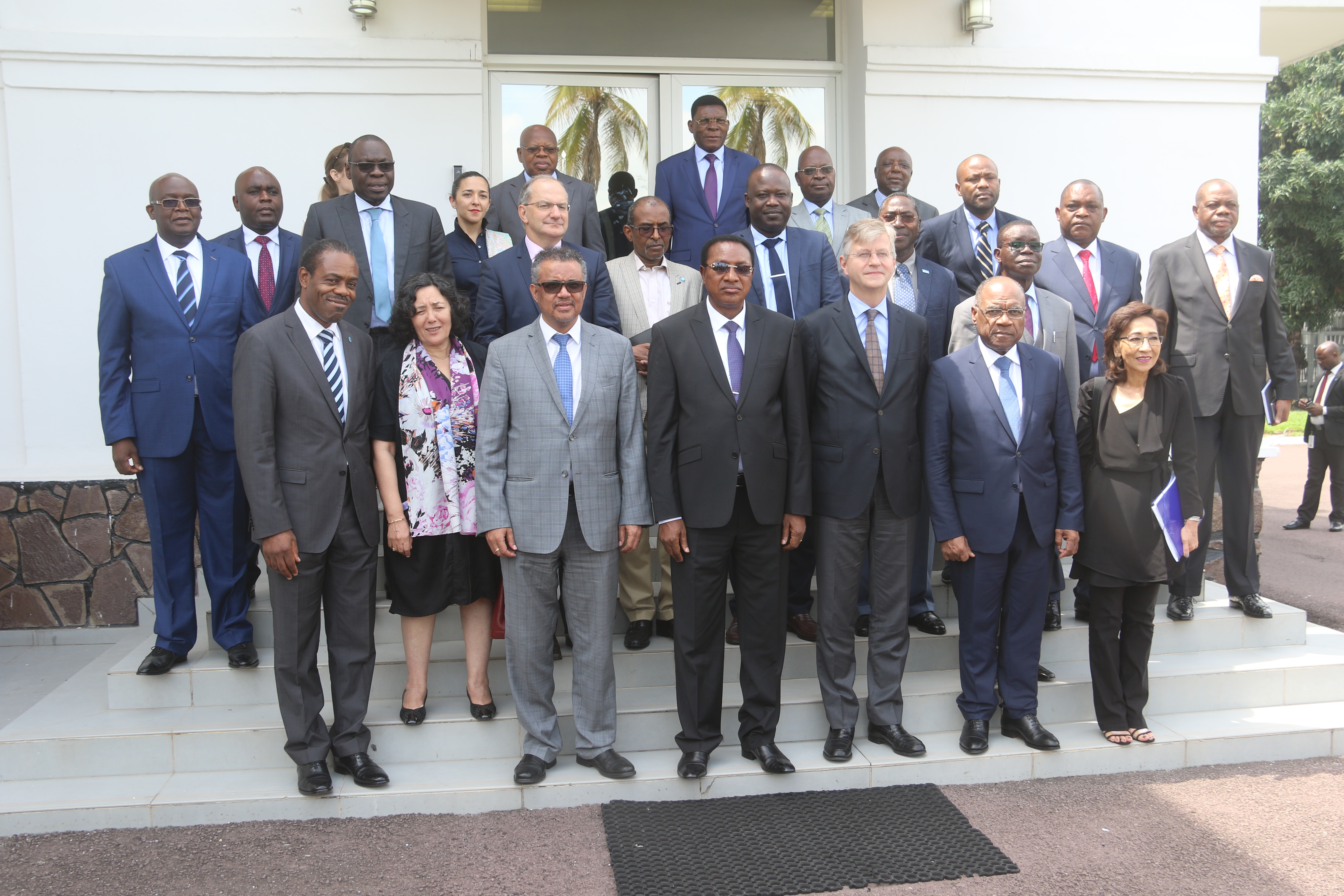
World Health Organization Director-General Tedros Adhanom Ghebreyesus said Wednesday that the risk of Ebola spreading globally is low despite high regional risks [1, 2].
The warning highlights a critical gap between confirmed medical data and the actual spread of the virus in Central Africa. Because the outbreak is expanding faster than testing can confirm, local health systems face an immediate threat of being overwhelmed.
While the WHO has confirmed 51 cases in the Democratic Republic of the Congo, specifically within the northern provinces including Ituri [1], the official count likely underestimates the crisis. Tedros said, "although we know the scale of the epidemic is much larger" [3].
The disparity in numbers suggests a significant amount of undetected transmission. Beyond the confirmed cases, there are almost 600 suspected cases and 139 suspected deaths [4].
Health officials are monitoring the situation closely in both the Democratic Republic of the Congo and Uganda [1, 2]. The high risk at national and regional levels is driven by the volume of suspected infections in these areas [1, 2].
Tedros said, "We expect those numbers to keep increasing" [4]. The WHO continues to coordinate with regional governments to contain the virus before it can move beyond the current borders, a move deemed necessary to keep the global risk level low [1, 2].
“"although we know the scale of the epidemic is much larger."”
The gap between 51 confirmed cases and nearly 600 suspected cases indicates a severe lack of diagnostic capacity or reporting infrastructure in the affected regions. While the WHO's assessment of low global risk prevents international panic, the high regional risk suggests that the outbreak could become endemic or cause significant local mortality if containment efforts do not scale rapidly to match the suspected case count.


