The World Health Organization declared the Ebola outbreak a Public Health Emergency of International Concern on Tuesday, May 19, 2026.
The declaration follows a sharp increase in suspected cases and deaths across Central Africa. The move signals a need for immediate international coordination to prevent the virus from infiltrating larger urban centers and crossing further borders.
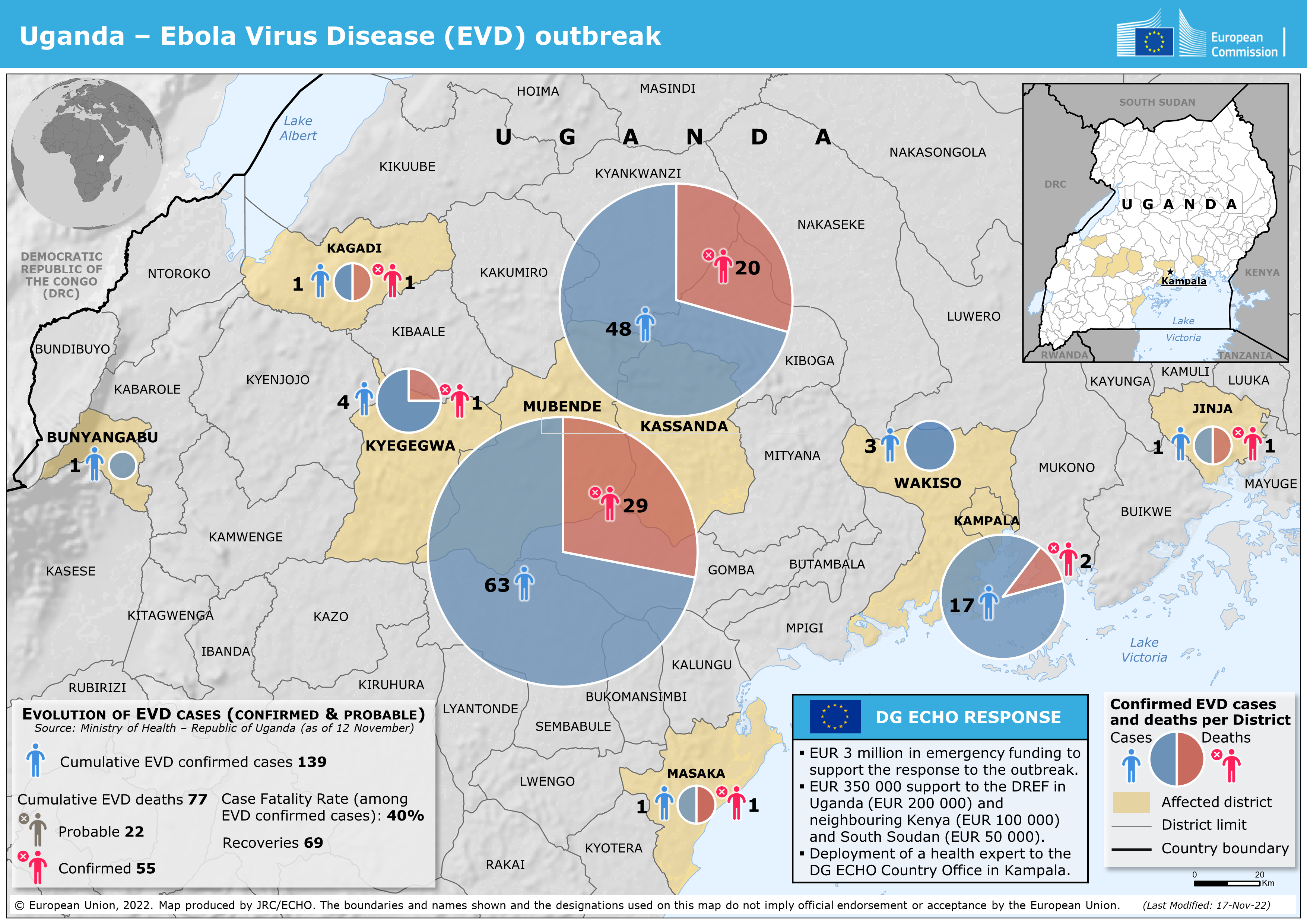
World Health Organization Director-General Dr. Tedros Adhanom Ghebreyesus said he is "deeply concerned about the scale and speed of the Ebola outbreak." The epidemic is currently affecting the eastern Democratic Republic of Congo and neighboring Uganda, with reports of the virus reaching urban centers such as Goma and Kampala [1].
Health officials are grappling with a rapidly climbing death toll. Reports on the number of fatalities vary slightly by source, ranging from more than 130 suspected deaths [2] to as many as 134 deaths [5].
Case numbers have also shown a significant surge. While some reports indicate more than 500 suspected cases [1], specific counts range from 513 [2] to 531 [3]. The WHO chief said, "We are deeply concerned about the scale and speed of the epidemic in parts of central Africa" [2].
The speed of transmission in these regions has prompted the global alarm. The virus has moved beyond isolated rural areas into more densely populated zones, a development that increases the risk of a wider regional crisis.
International health agencies are now focusing on containment strategies to halt the spread between the DRC and Uganda. The WHO is calling for urgent resources to manage the rising number of patients and secure the affected borders.
“"I am deeply concerned about the scale and speed of the Ebola outbreak."”
The designation of a Public Health Emergency of International Concern is the WHO's highest level of alarm. By highlighting the spread into urban hubs like Goma and Kampala, the organization is signaling that the outbreak has transitioned from a localized rural event to a systemic threat. This status typically triggers faster funding, the mobilization of international medical teams, and stricter travel and health screenings across borders to prevent a pandemic-scale event.