
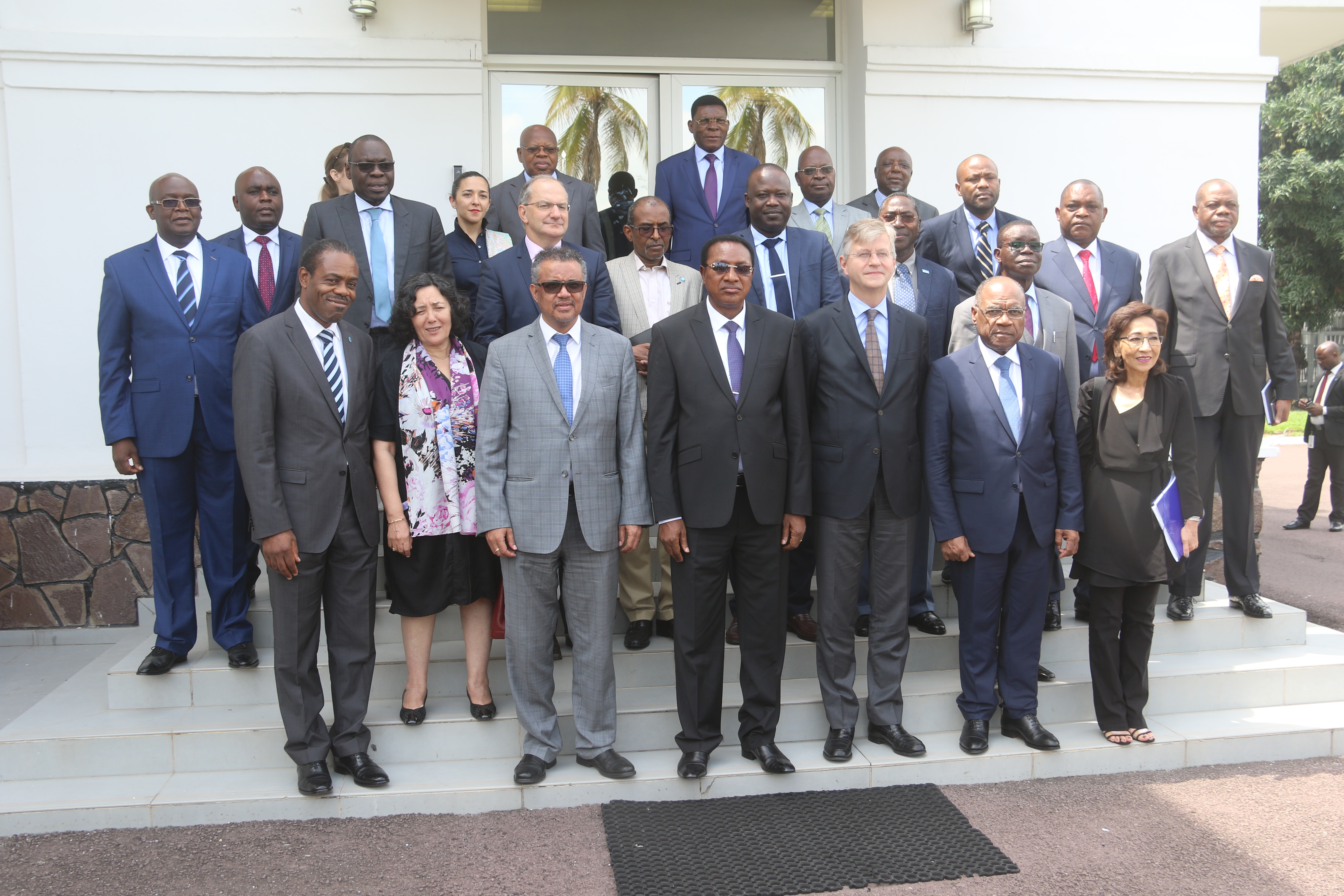
The World Health Organization declared the Ebola outbreak in the Democratic Republic of Congo and Uganda a public health emergency of international concern.
This designation is the highest level of alarm used by the WHO. It is intended to mobilize international resources and coordinate a rapid response to prevent the virus from spreading further across borders.
The emergency declaration follows a surge in suspected infections and deaths in the region. Reports on the scale of the outbreak vary between sources. NBC New York reported more than 300 suspected cases [3] and 88 deaths [4], while CBS News cited more than 250 suspected cases [1] and 80 suspected deaths [2].
While the Democratic Republic of Congo remains the primary center of the outbreak, the virus has reached neighboring Uganda. Health officials have recorded two cases in Uganda [5].
The WHO said that the rising numbers of suspected cases and deaths prompted the decision to issue the emergency declaration. The agency is working to coordinate medical aid and containment strategies to mitigate the impact of the disease.
International aid organizations, including USAID, are involved in the response effort to provide medical supplies and support to the affected regions. The goal of the PHEIC status is to accelerate the deployment of vaccines, and the establishment of treatment centers to lower the mortality rate.
“The World Health Organization declared the Ebola outbreak in the Democratic Republic of Congo and Uganda a public health emergency of international concern.”
A public health emergency of international concern allows the WHO to issue temporary recommendations to prevent the spread of disease. By formally recognizing the outbreak as a global emergency, the organization triggers international funding and logistics protocols that are essential for containing highly lethal viruses like Ebola in regions with limited healthcare infrastructure.


