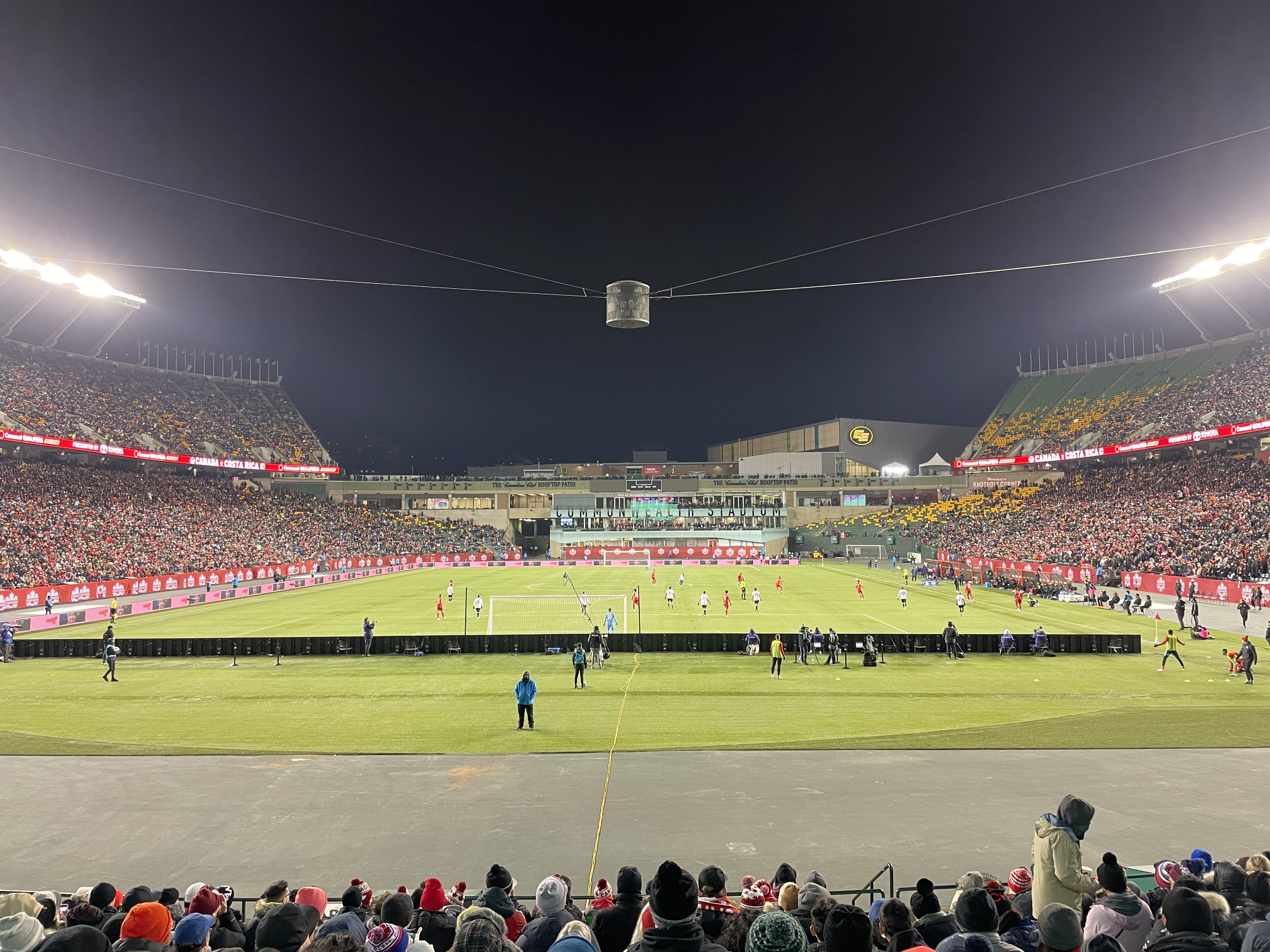
Fans across the United States and Canada are celebrating the 2026 FIFA World Cup through widespread public gatherings and city-wide festivities [1, 2].
The tournament marks a historic moment for the region as the U.S., Canada, and Mexico co-host the event, sparking intense local pride and international excitement [2, 3].
Public celebrations began when the World Cup kicked off on Thursday, June 10 [2]. Since the opening, enthusiasm has spread across diverse urban centers, transforming public spaces into hubs for international supporters [1, 2, 4].
In Boston, the "Tartan Army" of Scottish supporters has established a significant presence, with fans taking over city streets to support their national team [1]. Organizers said that dozens of nations are represented on the pitch during the tournament [1].
Similar scenes have emerged in the Detroit metropolitan area, where festivities stretch from Dearborn to downtown [4]. In one instance, about 2,000 people gathered at Dearborn Peace Park West to watch a match [4].
Western regions are seeing similar levels of engagement. The Bay Area has reported packed stadium areas and high concentrations of diverse supporters as games progress [5]. In Canada, the fever has swept through various venues, though some observers are questioning if the momentum will sustain beyond the initial kickoff [3].
These celebrations reflect a broader trend of sports-driven tourism and community engagement across the continent. From the east coast to the west, the tournament has turned local parks and plazas into international meeting grounds, creating a shared cultural experience across three nations.
“Dozens of nations are represented on the pitch”
The scale of these public celebrations indicates a significant shift in the popularity of soccer within North America. By distributing events across multiple cities like Boston, Detroit, and the Bay Area, FIFA is leveraging local community hubs to embed the sport deeper into the regional culture, potentially increasing long-term participation and viewership in the U.S. and Canada.


