
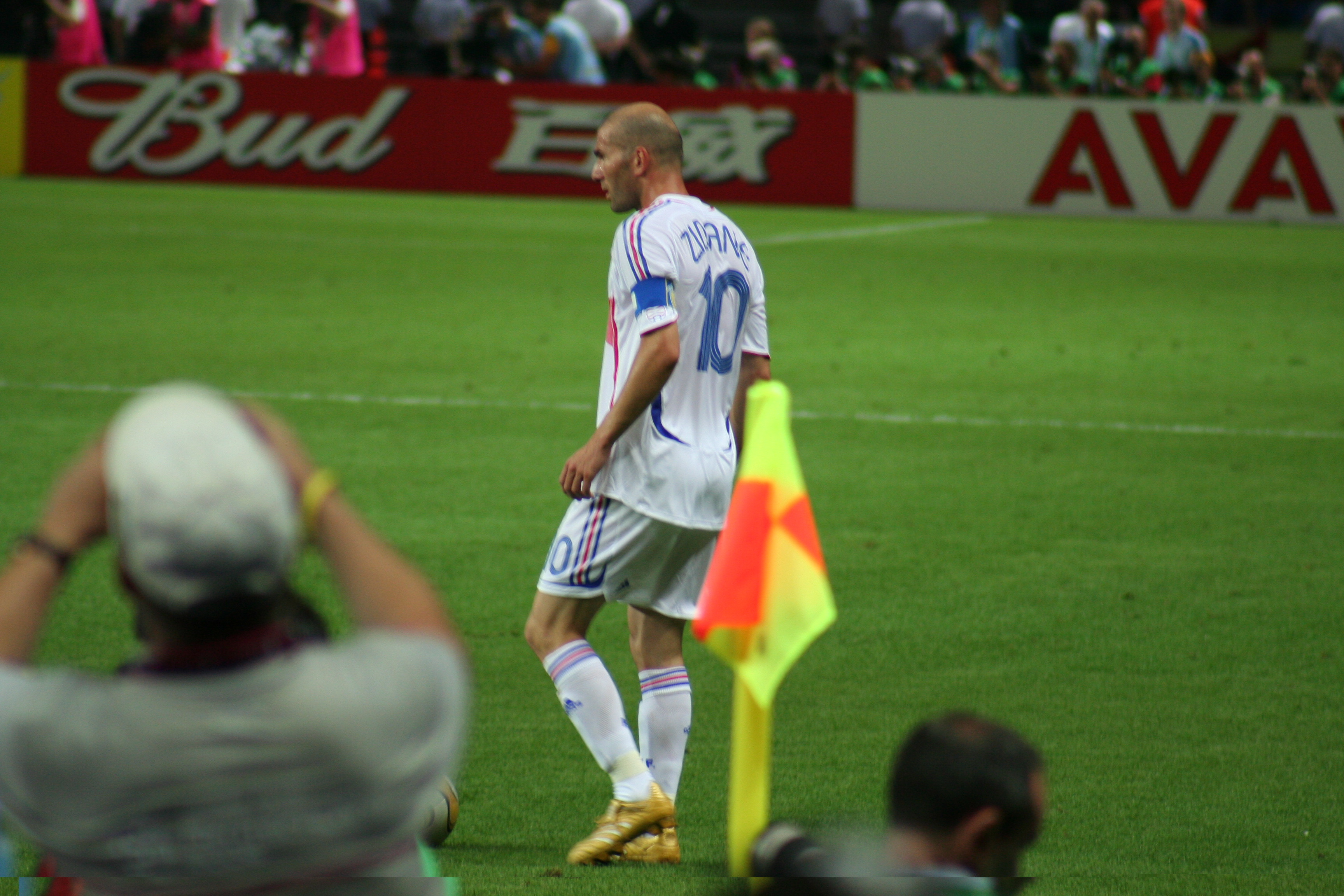
The sporting world is revisiting the moment Zinedine Zidane headbutted Marco Materazzi during the 2006 World Cup Final [1].
The incident remains a primary case study in how a single moment of lost composure can alter the trajectory of a national team's championship hopes. Because Zidane was the captain and focal point of the French squad, his sudden exit left a void that contributed to France's eventual defeat.
The clash occurred on July 9, 2006 [2], at the Olympiastadion in Berlin, Germany [3]. The match had reached extra time when the confrontation took place between the French captain and the Italian defender [1]. Reports said Materazzi provoked Zidane by insulting the player's sister, which prompted the violent response [4].
Following the headbutt, the referee issued a red card, and Zidane was sent off the pitch [1]. The removal of France's star player shifted the momentum of the final. Italy subsequently won the match on penalties [1].
Two decades later, the event is still cited as one of the most infamous controversies in the history of the FIFA World Cup [5]. The image of Zidane walking past the World Cup trophy toward the dressing room has become a permanent fixture in sports archives [6].
While the immediate result was a loss for France, the incident sparked long-term discussions regarding provocation, and discipline in professional sports. The ripples of the event continued to be felt in the sporting community long after the 2006 tournament ended [4].
“Zidane headbutted Materazzi during extra time of the 2006 World Cup Final.”
The persistence of this story 20 years later highlights the intersection of personal honor and professional duty in high-stakes athletics. It serves as a historical benchmark for the psychological pressure exerted on athletes during global finals and the lasting impact of disciplinary failures on a team's legacy.


