Afghan traders in Kabul have redirected import trade toward Central Asian, Iranian, Chinese, and Malaysian routes following the closure of Pakistani border crossings [1].
This shift represents a significant realignment of regional logistics. The reliance on alternative overland corridors increases transport costs and raises the prices of essential commodities for Afghan consumers.
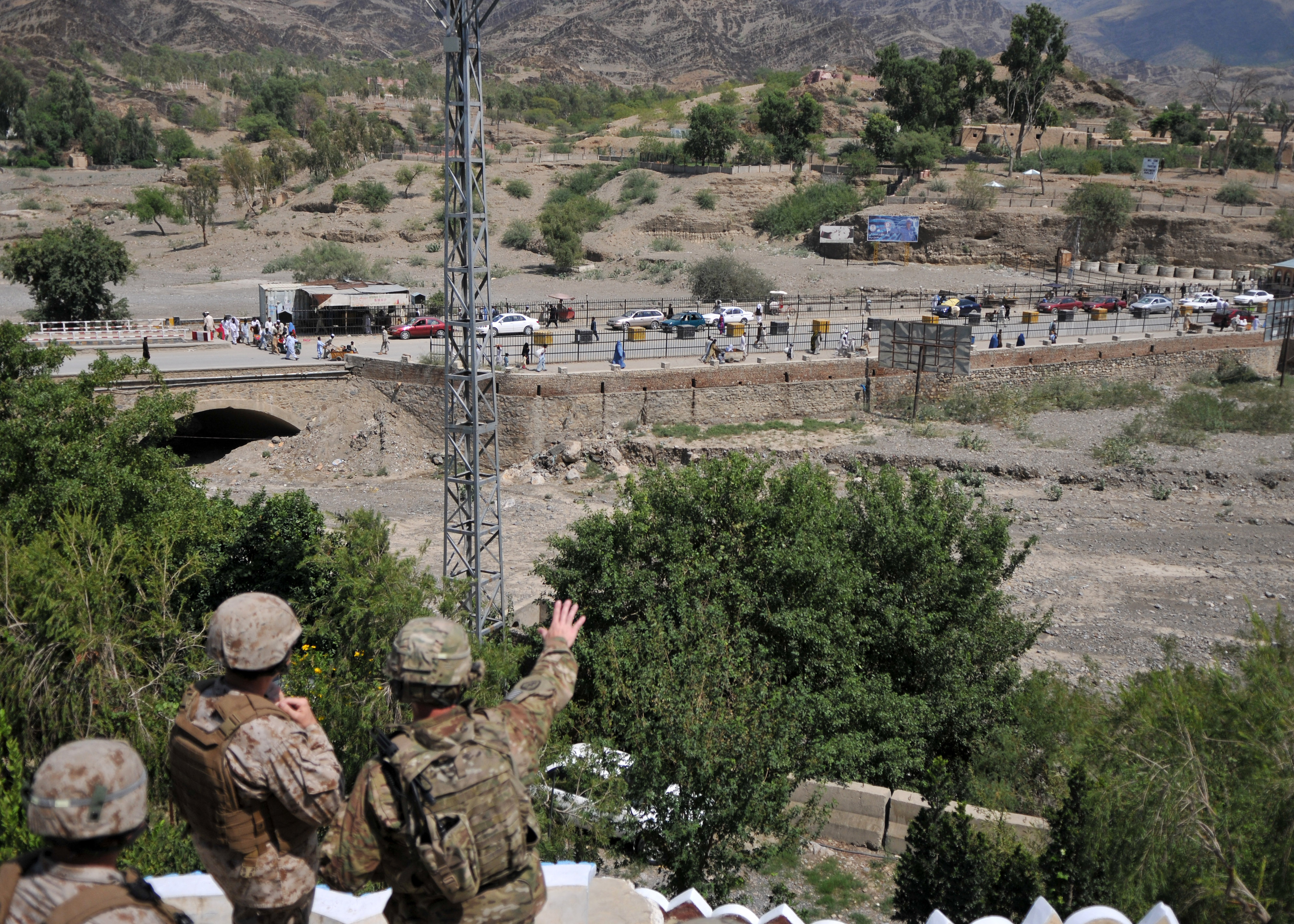
Traders operating out of Kabul’s Bagrami Mandi market are now sourcing goods from Kazakhstan, Uzbekistan, Tajikistan, Iran, China, and Malaysia [1]. The transition comes after the prolonged closure of the Chaman and Torkham border crossings due to security concerns [1], [2].
While Afghanistan seeks these new avenues, the disruption has impacted regional economics. Pakistan’s trade with five Central Asian countries weakened during the first 10 months of fiscal year 2025-26 following the closure of the Afghan crossings [2].
Recent developments indicate a broader restructuring of trade in the region. In June 2026, Pakistan opened six new overland transit routes for goods destined for Iran and Central Asia [3]. However, reports suggest these new corridors may bypass Afghanistan entirely [4].
For the merchants in Bagrami Mandi, the change is a necessity for survival. The inability to use traditional routes through Pakistan has forced a total reconfiguration of their supply chains—a move that ensures the flow of goods but at a higher financial cost to the trader and the end user [1].
“Afghanistan has redirected its import trade toward Central Asian, Iranian, Chinese, and Malaysian routes.”
The redirection of Afghan trade indicates a strategic decoupling from Pakistani transit corridors. By diversifying import routes through Central Asia and China, Afghanistan reduces its vulnerability to bilateral border disputes with Pakistan. However, the increased cost of these longer routes may exacerbate inflation within Afghanistan, while Pakistan's attempt to create new corridors that bypass Afghanistan suggests a long-term shift in regional geopolitical influence and trade architecture.