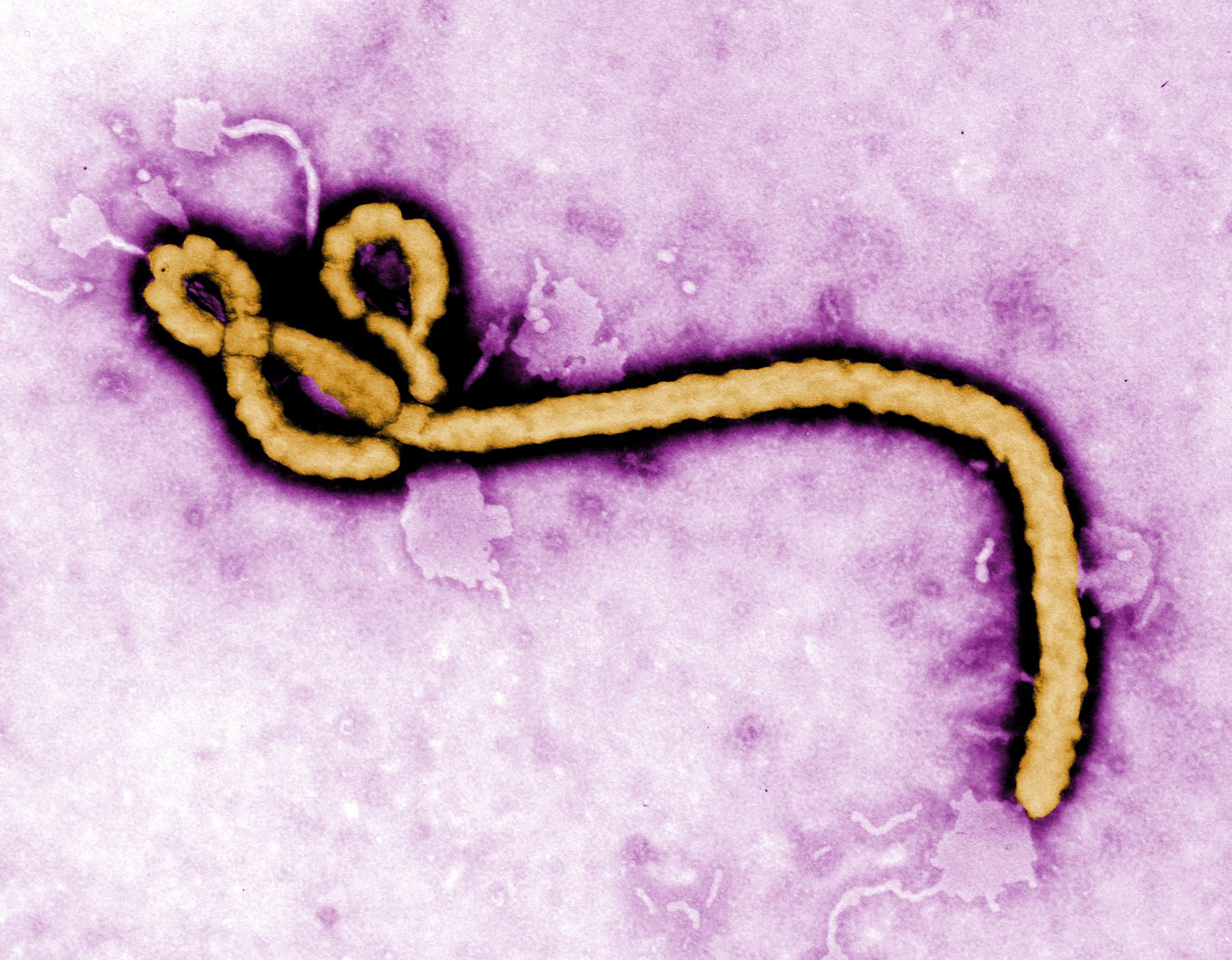
The Africa Centres for Disease Control and Prevention warned this month that an Ebola outbreak in the Democratic Republic of Congo could become the worst on record [1].
The warning signals a potential public health catastrophe in Central Africa. If transmission rates are not curbed, the current epidemic could rival or exceed the largest recorded outbreaks in history [2].
Containment efforts are currently struggling against systemic instability. Officials said that ongoing conflict in the affected regions is hampering the ability of health workers to reach vulnerable populations [3]. This instability is compounded by insufficient case identification and isolation, which allows the virus to continue spreading through communities [3].
The scale of the potential crisis is stark. Projections suggest there could be more than 20,000 Ebola cases within three months [4]. This worst-case scenario is likely to occur if only one in five infected persons are identified and isolated within two days [4].
Health officials are urging a more aggressive response to break the chain of transmission. The Africa CDC director said the situation requires immediate intervention to prevent the outbreak from reaching these projected levels [1].
While some reports have associated the outbreak with East Africa, official data identifies the epicenter within the Democratic Republic of Congo [2, 5]. The region's geography and current political climate make the deployment of medical resources a significant challenge.
“The Africa CDC warned that the ongoing Ebola outbreak could become the worst on record if transmission rates are not curbed.”
This warning highlights the critical intersection of geopolitical instability and public health. When conflict prevents the identification and isolation of patients, a manageable outbreak can rapidly evolve into a regional epidemic. The 20,000-case projection underscores that the window for containment is narrow, and failure to secure the affected areas may lead to an unprecedented loss of life.


![Text on a white background reads 'One inch equals 200 ft [1:2400]'.](https://upload.wikimedia.org/wikipedia/commons/b/bc/Downtown_Denver_-_city_of_Denver_downtown_business_area_-_the_Skyline_Urban_Renewal_District_-_DPLA_-_747fa553688f74968203a613d77bca73.jpg)