
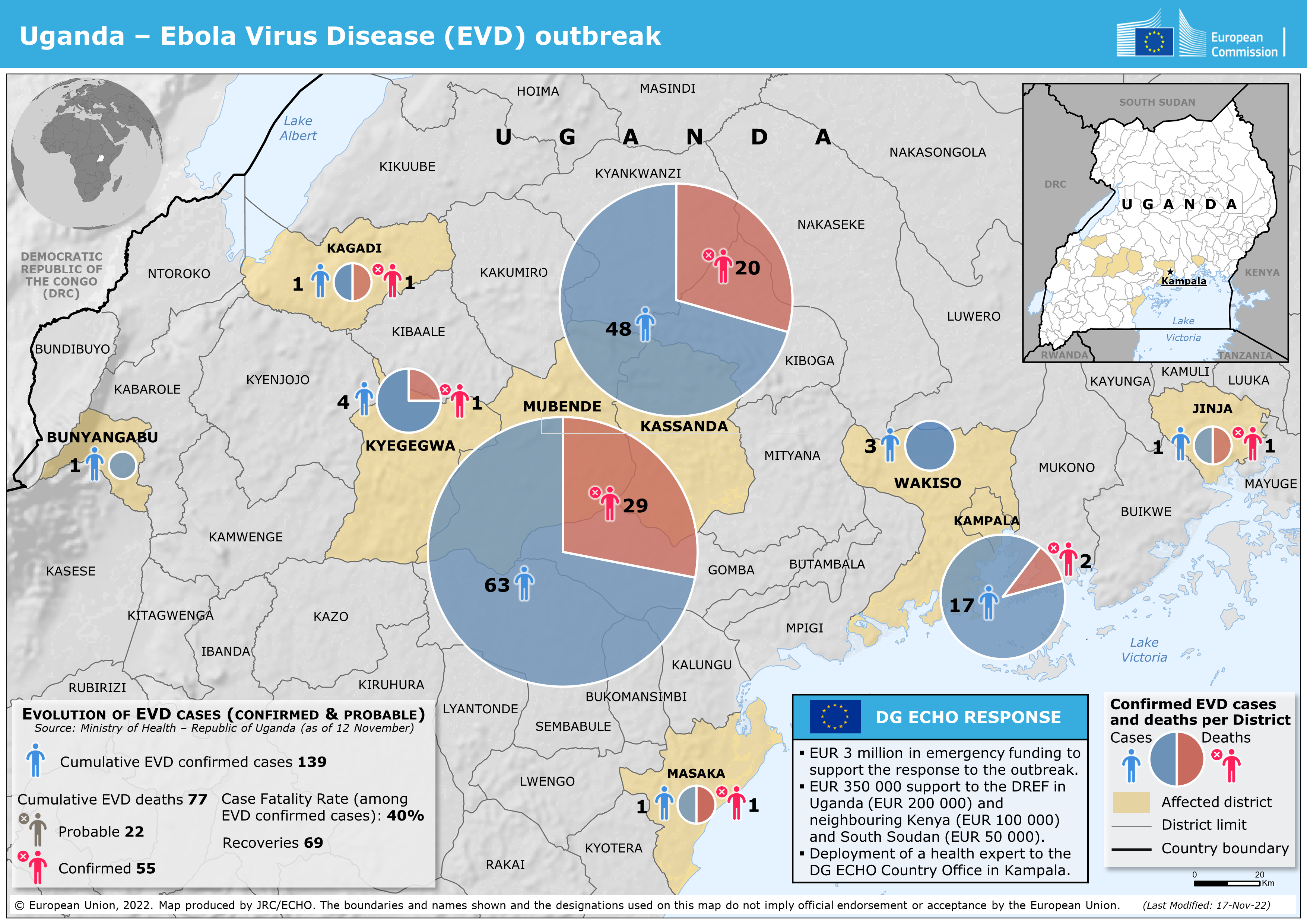
The Africa Centres for Disease Control and Prevention warned that 10 African countries are at risk of Ebola spread from ongoing outbreaks [1].
This warning highlights the fragility of regional health security in the face of highly infectious diseases. Because Ebola can cause severe illness and death, the potential for cross-border transmission threatens to destabilize public health infrastructure across Central and East Africa.
The agency, which serves as the health arm of the African Union, issued the alert on May 22, 2024 [2]. The risk stems from rising case numbers in the Democratic Republic of Congo and Uganda, where active outbreaks are currently centered [1].
Health officials identified several nations as being at high risk, including Rwanda, Kenya, Tanzania, Angola, Burundi, the Central African Republic, Ethiopia, South Sudan, Zambia, and Uganda [3]. The inclusion of these specific nations reflects the geographic spread of the virus and the interconnectedness of the region.
According to the Africa CDC, the likelihood of the virus crossing borders is increased by high population mobility and regional insecurity [1]. These factors make it difficult for health authorities to track movements and implement screening protocols effectively.
Officials said the combination of these variables creates a volatile environment for disease containment. The agency is urging the listed nations to heighten surveillance and prepare emergency response teams to prevent the virus from establishing a foothold in new territories [3].
“10 African countries are at risk of Ebola spread from ongoing outbreaks”
The warning underscores how geopolitical instability and open borders in Central and East Africa can accelerate the spread of viral hemorrhagic fevers. By identifying 10 specific countries, the Africa CDC is attempting to shift the response from a localized containment strategy to a regional prevention framework, acknowledging that the virus does not respect national boundaries in high-migration corridors.


