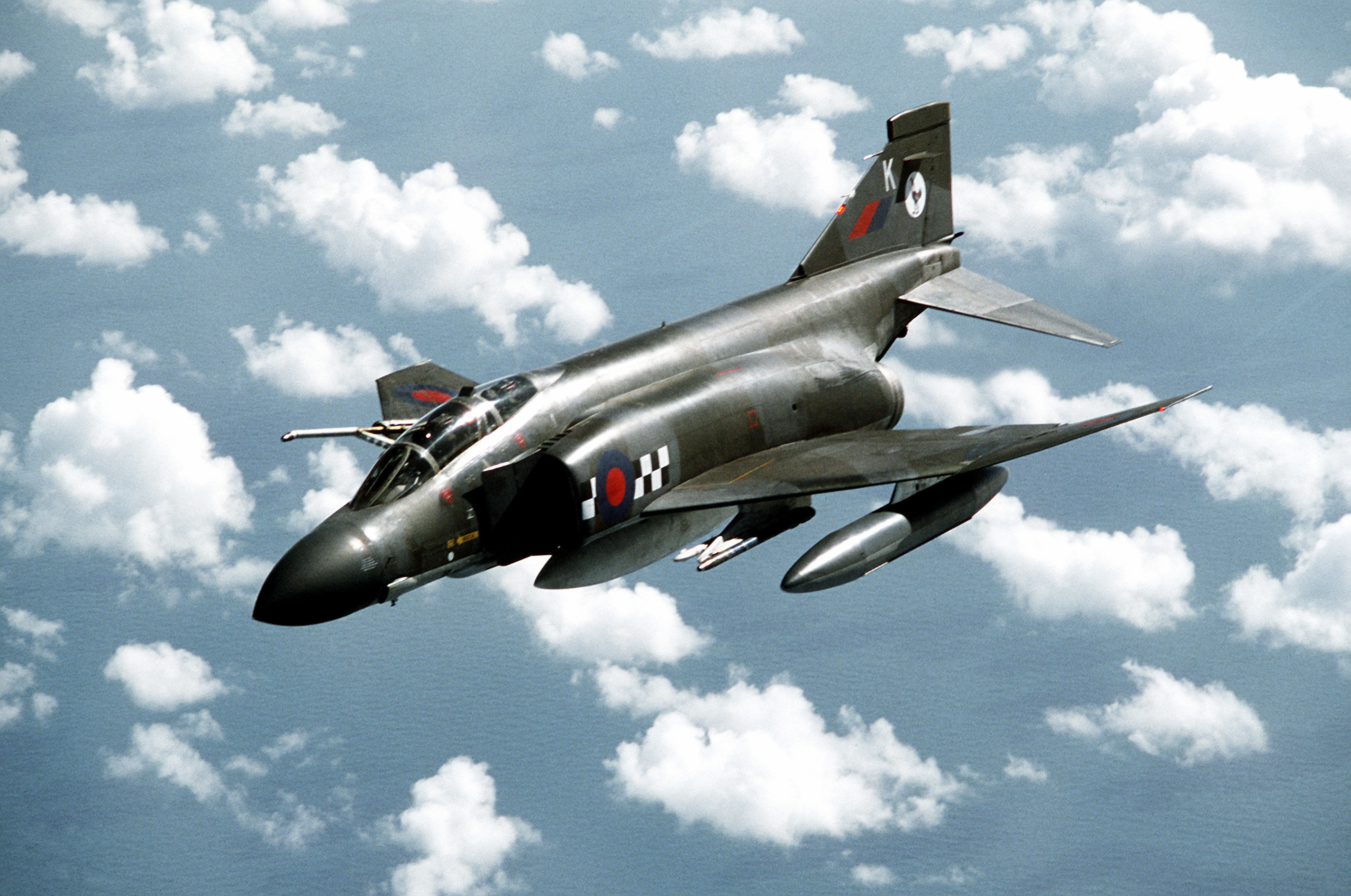
Sky News host James Macpherson said the Australian Defence Force cannot afford necessary equipment as costs for warships and submarines rise [1].
This financial strain threatens the viability of national security strategies. If the government cannot fund its primary defense assets, the country may face critical gaps in its ability to respond to regional threats.
During a discussion featuring NSW Liberal Senator Jess Collins, Macpherson said the budget constraints facing the military are significant [1]. He suggested that the current financial trajectory leaves the force vulnerable. "If war ever comes to Australia, let's just hope the enemy has the decency not to shoot out the lights," Macpherson said [1].
These comments follow reporting from The Australian, which noted that the soaring costs of new warships and submarines are making the nation's defense plans unaffordable [2]. The report suggests that the budget is unable to cover the capabilities required for modern warfare due to these sharp price increases [2].
The debate centers on the balance between ambitious procurement goals and the reality of available funding. While the government seeks to modernize its fleet, the escalating price of naval assets has created a gap between strategic intent and fiscal capacity [2].
Macpherson said the Australian Defence Force cannot seem to afford things [1]. This sentiment reflects a broader concern among analysts that the scale of current naval acquisitions may exceed the government's long-term financial reach.
“"If war ever comes to Australia, let's just hope the enemy has the decency not to shoot out the lights."”
The intersection of rising procurement costs and static budgets creates a strategic paradox for Australia. By committing to high-cost naval assets, the government risks 'hollowing out' other areas of defense spending, potentially leaving the military with advanced hardware it cannot afford to operate or maintain in a sustained conflict.
'%2F%3E%0A%20%20%20%20%3Crect%20width%3D'1600'%20height%3D'900'%20fill%3D'url(%23v)'%2F%3E%0A%20%20%20%20%3Cg%20opacity%3D'0.08'%20fill%3D'%23ffffff'%3E%0A%20%20%20%20%20%20%3Ccircle%20cx%3D'1420'%20cy%3D'180'%20r%3D'220'%2F%3E%0A%20%20%20%20%20%20%3Ccircle%20cx%3D'1500'%20cy%3D'760'%20r%3D'120'%2F%3E%0A%20%20%20%20%3C%2Fg%3E%0A%20%20%20%20%3Cline%20x1%3D'80'%20y1%3D'172'%20x2%3D'220'%20y2%3D'172'%20stroke%3D'%23ffffff'%20stroke-width%3D'3'%20stroke-opacity%3D'0.6'%2F%3E%0A%20%20%20%20%3Ctext%20x%3D'80'%20y%3D'140'%20font-family%3D'Inter%2C%20-apple-system%2C%20Helvetica%2C%20sans-serif'%20font-weight%3D'700'%20font-size%3D'28'%20fill%3D'%23ffffff'%20letter-spacing%3D'6'%3EHANNA%20%C2%B7%20NEWS%3C%2Ftext%3E%0A%20%20%20%20%3Ctext%20x%3D'80'%20y%3D'230'%20font-family%3D'Inter%2C%20-apple-system%2C%20Helvetica%2C%20sans-serif'%20font-weight%3D'600'%20font-size%3D'40'%20fill%3D'%23ffffffb3'%20letter-spacing%3D'4'%3EWORLD%3C%2Ftext%3E%0A%20%20%20%20%3Ctext%20x%3D'80'%20y%3D'694'%20font-family%3D'Playfair%20Display%2C%20Georgia%2C%20serif'%20font-weight%3D'800'%20font-size%3D'110'%20fill%3D'%23ffffff'%20letter-spacing%3D'-1'%3ET%C3%BCrkiye%20Marks%20Anniversary%20of%3C%2Ftext%3E%3Ctext%20x%3D'80'%20y%3D'820'%20font-family%3D'Playfair%20Display%2C%20Georgia%2C%20serif'%20font-weight%3D'800'%20font-size%3D'110'%20fill%3D'%23ffffff'%20letter-spacing%3D'-1'%3E1993%20PKK%20Massacre%3C%2Ftext%3E%0A%20%20%20%20%3Ctext%20x%3D'80'%20y%3D'870'%20font-family%3D'Inter%2C%20-apple-system%2C%20Helvetica%2C%20sans-serif'%20font-weight%3D'500'%20font-size%3D'22'%20fill%3D'%23ffffff66'%20letter-spacing%3D'2'%3Enews.hanna-ai.com%3C%2Ftext%3E%0A%20%20%3C%2Fsvg%3E)