Australia has introduced new anti-price-gouging laws making it illegal for large supermarkets to charge prices deemed excessive relative to supply costs [1].
These measures target the dominant market power of major retailers to ensure consumers are not exploited during periods of price volatility. By establishing a legal ceiling based on cost plus a reasonable margin, the government aims to curb inflation-driven pricing strategies in the grocery sector.
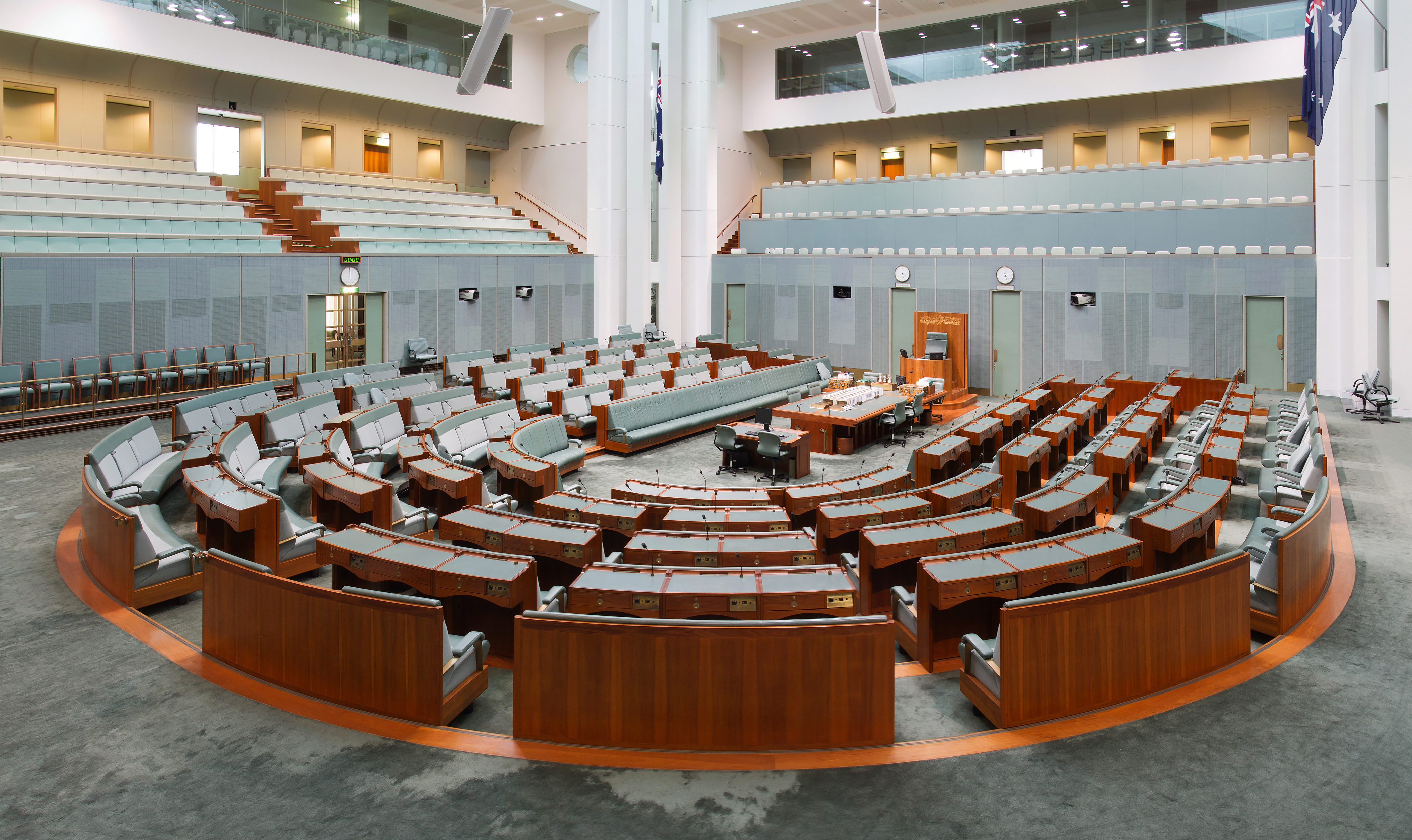
Assistant Treasurer Daniel Mulino announced the legislation during Question Time in the Australian Parliament this Wednesday [1]. The laws specifically target large-scale operators, including Coles and Woolworths, to prevent the inflation of essential goods [1].
"From today, it will be illegal for large supermarkets, such as Coles and Woolworths, to charge prices that are excessive when compared to the cost of the supply plus a reasonable margin," Mulino said [1].
Under the new framework, the government will monitor whether retail prices align with the actual cost of acquiring and distributing goods. If a retailer exceeds a reasonable profit margin, they may face significant legal consequences [1].
Mulino said the legislation is designed to be a deterrent against corporate greed. He noted that the reforms are intended to protect the purchasing power of the general public, a move he described as being in the best interest of consumers [1].
"These reforms come with big penalties if breached," Mulino said [1].
While the specific dollar amounts for the penalties were not detailed in the announcement, the Assistant Treasurer characterized the measures as "tough laws" [1]. The legislation represents a shift toward more aggressive government intervention in the retail market to stabilize the cost of living for Australian households [1].
“"From today, it will be illegal for large supermarkets... to charge prices that are excessive"”
This legislation signals a pivot toward more direct regulatory oversight of the Australian grocery market. By linking legal price ceilings to the 'cost of supply plus a reasonable margin,' the government is moving away from a purely free-market approach to price discovery. The success of these laws will depend on how the government defines a 'reasonable margin' and its ability to audit the complex supply chains of giants like Coles and Woolworths.


