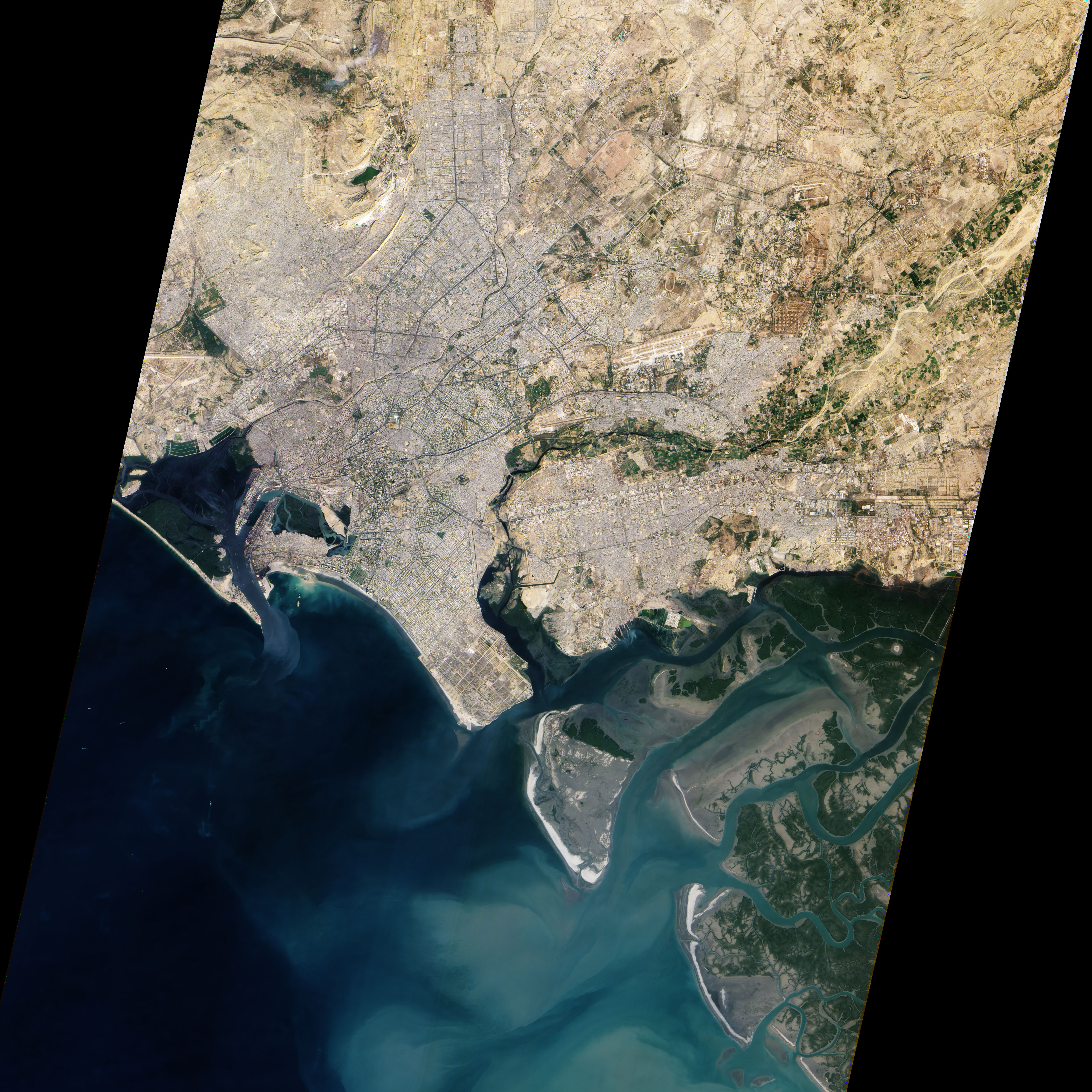
Ayesha Omar said Karachi residents deserve medals for surviving in the metropolis following a poor global liveability ranking for the city.
The comments highlight the systemic infrastructure failures and daily hardships faced by millions in Pakistan's largest city. This ranking serves as a metric for how urban decay affects the quality of life for citizens.
According to the Economist Intelligence Unit's Global Liveability Index 2026, Karachi placed 170th out of 173 cities [1]. The index evaluates various factors including healthcare, culture, environment, and stability to determine how habitable a city is for its population.
Omar reacted to the data by emphasizing the resilience required to navigate the city's current state. She said the city’s residents "deserve medals" for living and surviving in the metropolis [1].
Karachi serves as the economic hub of Pakistan, yet it frequently struggles with inadequate waste management, erratic power supplies, and deteriorating roads. The low ranking reflects these persistent challenges, issues that residents encounter daily while maintaining the city's commercial activity.
Critics of the city's administration often point to the gap between the city's economic importance and its lack of basic municipal services. The 2026 index results provide a quantitative measure of this disparity compared to other global urban centers [1].
Omar's statement brings public attention to the psychological and physical toll of urban instability. By framing survival as an achievement worthy of a medal, she underscores the severity of the living conditions in the city [1].
“the city’s residents "deserve medals" for living and surviving in the metropolis”
The Global Liveability Index provides an external benchmark that pressures local governments to address urban decay. When public figures highlight these statistics, it transforms a technical report into a social conversation about the right to basic infrastructure and the resilience of the urban poor.


