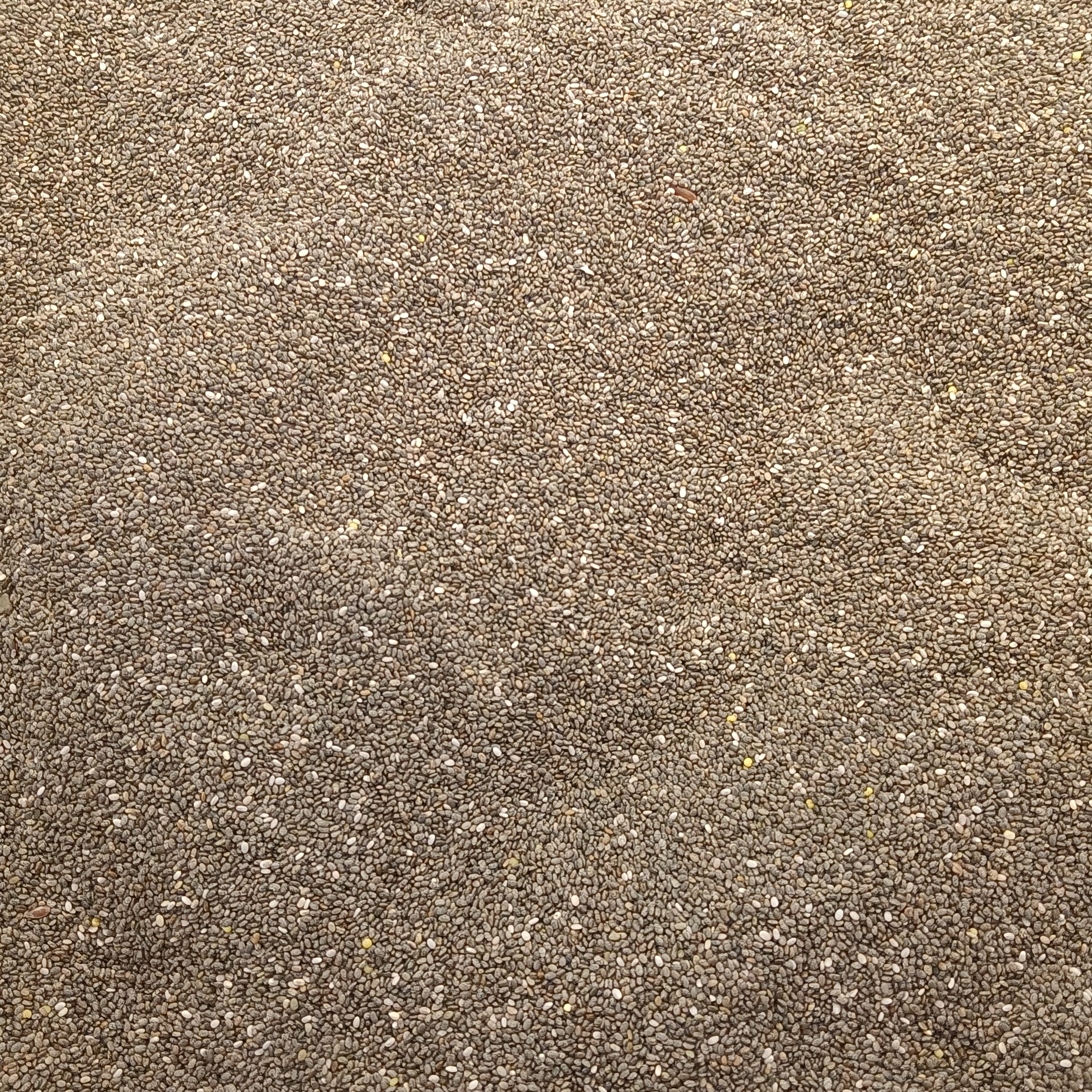
Chia seeds provide a concentrated source of healthy fats, protein, and fiber when added to a daily diet [1].
These nutritional properties make the seeds a versatile tool for improving overall dietary health without requiring significant changes to meal preparation. Because they can be added to various foods, they offer an accessible way to increase nutrient intake.
Originally part of the Aztec diet, these seeds have transitioned from ancient staples to modern health trends [2]. They are physically minute, described as being smaller than a grain of rice [2]. Despite their size, they are positioned as powerful additions to a balanced diet [2].
Nutritionists highlight that the seeds are rich in essential nutrients that support bodily functions. The combination of protein and fiber helps maintain satiety, while the healthy fats contribute to cardiovascular wellness [1].
"Smaller than a grain of rice, these tiny superfoods are full of powerful health benefits," MSN said [2]. This characteristic allows the seeds to be sprinkled on almost any dish without altering the texture or flavor significantly.
Experts suggest that incorporating these seeds is a simple method to boost nutrition. "Sometimes, the best things come in small packages," MSN said [2]. The seeds can be used in smoothies, salads, or baked goods to ensure a steady intake of these nutrients [1].
“Chia seeds provide a concentrated source of healthy fats, protein, and fiber.”
The resurgence of chia seeds reflects a broader trend toward integrating ancient, minimally processed foods into modern diets to combat nutritional deficiencies. By focusing on nutrient density—specifically the ratio of fiber and healthy fats to caloric volume—consumers can improve metabolic health through small, sustainable dietary additions rather than restrictive dieting.


