
Chef Fidel Caballero and his team at Corima were featured in Bon Appétit’s "On The Line" segment for their approach to Northern Mexican cuisine [1, 2].
The recognition highlights a shift in the New York City dining scene toward hyper-specialized regional Mexican techniques and sustainable butchery practices.
Corima focuses on redefining Northern Mexican food through a combination of fermentation and whole-animal butchery [1]. The restaurant utilizes a trust-based tasting menu to showcase these methods, emphasizing a commitment to using every part of the animal to reduce waste [1].
The establishment has seen rapid critical success in the U.S. market. The restaurant earned a Michelin star 11 months after opening [1]. This achievement marks one of the faster timelines for a new establishment to receive the prestigious honor in the city.
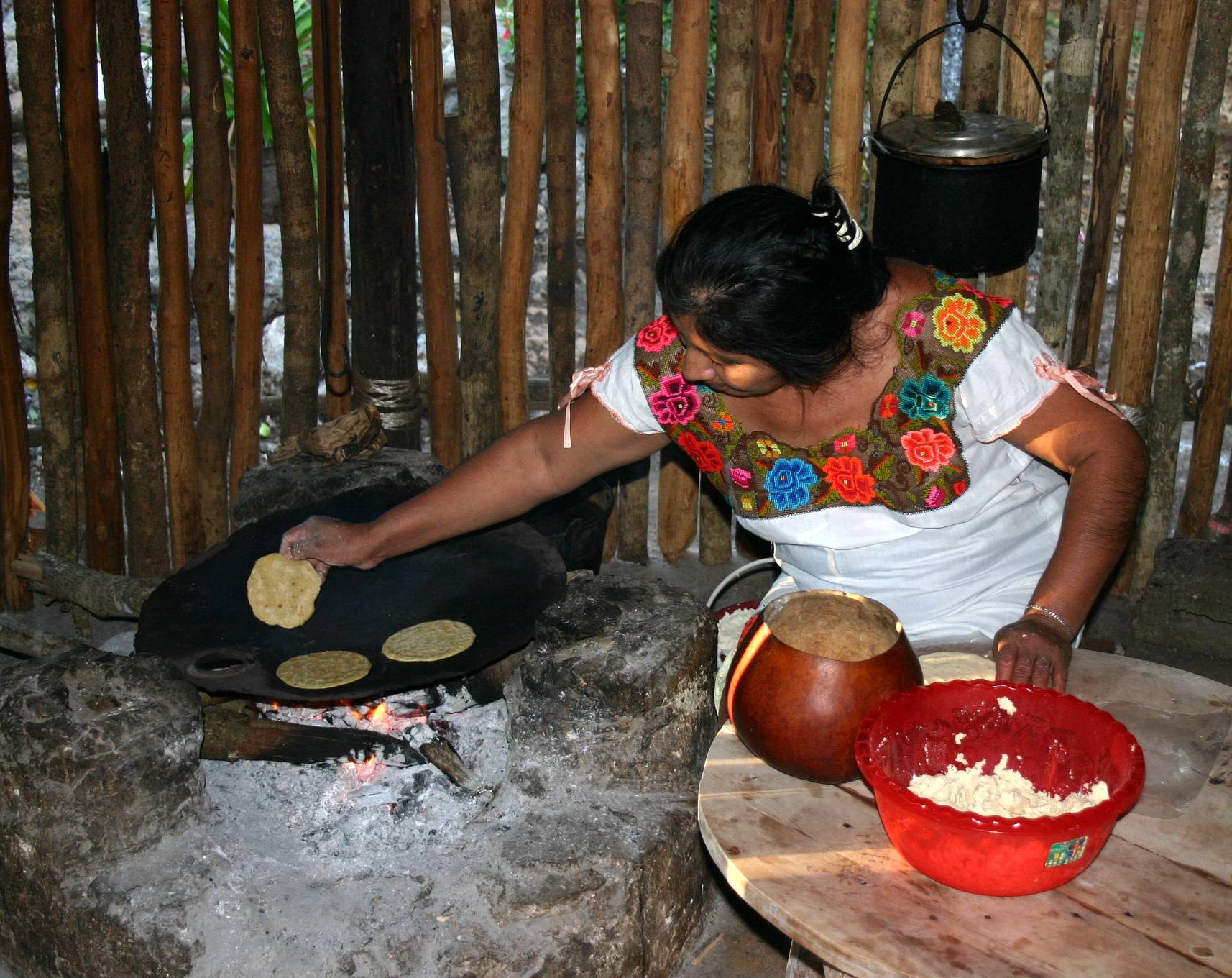
Central to the restaurant's acclaim is its tortilla-making process. The "On The Line" segment specifically highlighted the team's dedication to the craft, positioning the house-made tortillas as a cornerstone of the dining experience [1, 2].
Caballero's team integrates traditional techniques with modern culinary precision. By focusing on the specific regionality of Northern Mexico, Corima distinguishes itself from more generalized Mexican offerings in the New York City area [1]. The process involves rigorous preparation and a philosophy of respect for the raw ingredients [1].
“The restaurant earned a Michelin star 11 months after opening.”
The rapid ascent of Corima and its recognition by major culinary media outlets signify a growing consumer appetite for authentic, regional Mexican gastronomy over homogenized versions. By combining high-end accolades like a Michelin star with a focus on sustainability through whole-animal butchery, the restaurant reflects a broader trend in the U.S. culinary industry where traditional heritage techniques are being elevated to fine-dining standards.


