
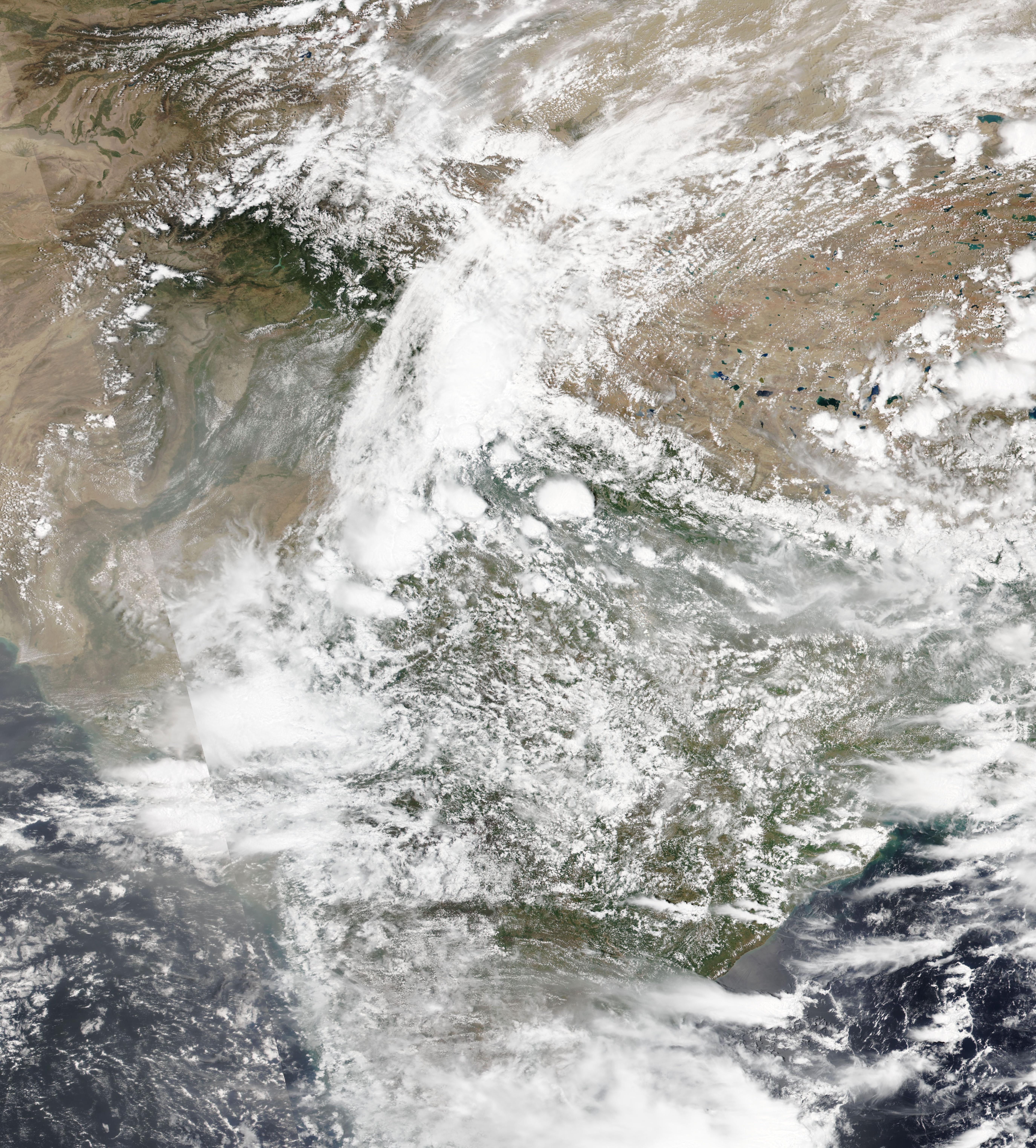
Maximum temperatures in Delhi rose above 44°C on Monday, triggering a yellow heat-wave alert across the region [1], [2], [3].
This surge in temperature poses significant public health risks for millions of residents in India's capital and the surrounding national capital region. Extreme heat increases the likelihood of heatstroke and puts additional strain on the city's power grid as cooling demands spike.
Reports on the peak temperature varied across sources. Some data indicated the mercury reached 44°C in parts of the city [1], while other records showed a high of 44.5°C [2]. One report said the temperature climbed as high as 45.1°C, marking it as the hottest day in two years [3].
The India Meteorological Department issued the yellow alert as the city faced a severe heatwave [5]. Meteorologists said the extreme conditions were due to high pressure over north India and the presence of dry, scorching winds.
The heat is expected to persist through the week. Forecasts said that temperatures could reach 45°C by Friday [4].
Residents in the north-central region of India are facing these conditions as the weather system remains stagnant. The heatwave extends beyond the capital, affecting other areas of north India where similar high-pressure systems are driving temperatures upward.
“Maximum temperatures in Delhi rose above 44°C on Monday, triggering a yellow heat-wave alert.”
The issuance of a yellow alert by the India Meteorological Department signifies a need for preparedness and vigilance. When temperatures consistently exceed 44°C, the urban heat island effect in a densely populated city like Delhi can exacerbate health risks, making it difficult for the human body to cool down naturally, especially for vulnerable populations such as the elderly and outdoor laborers.


