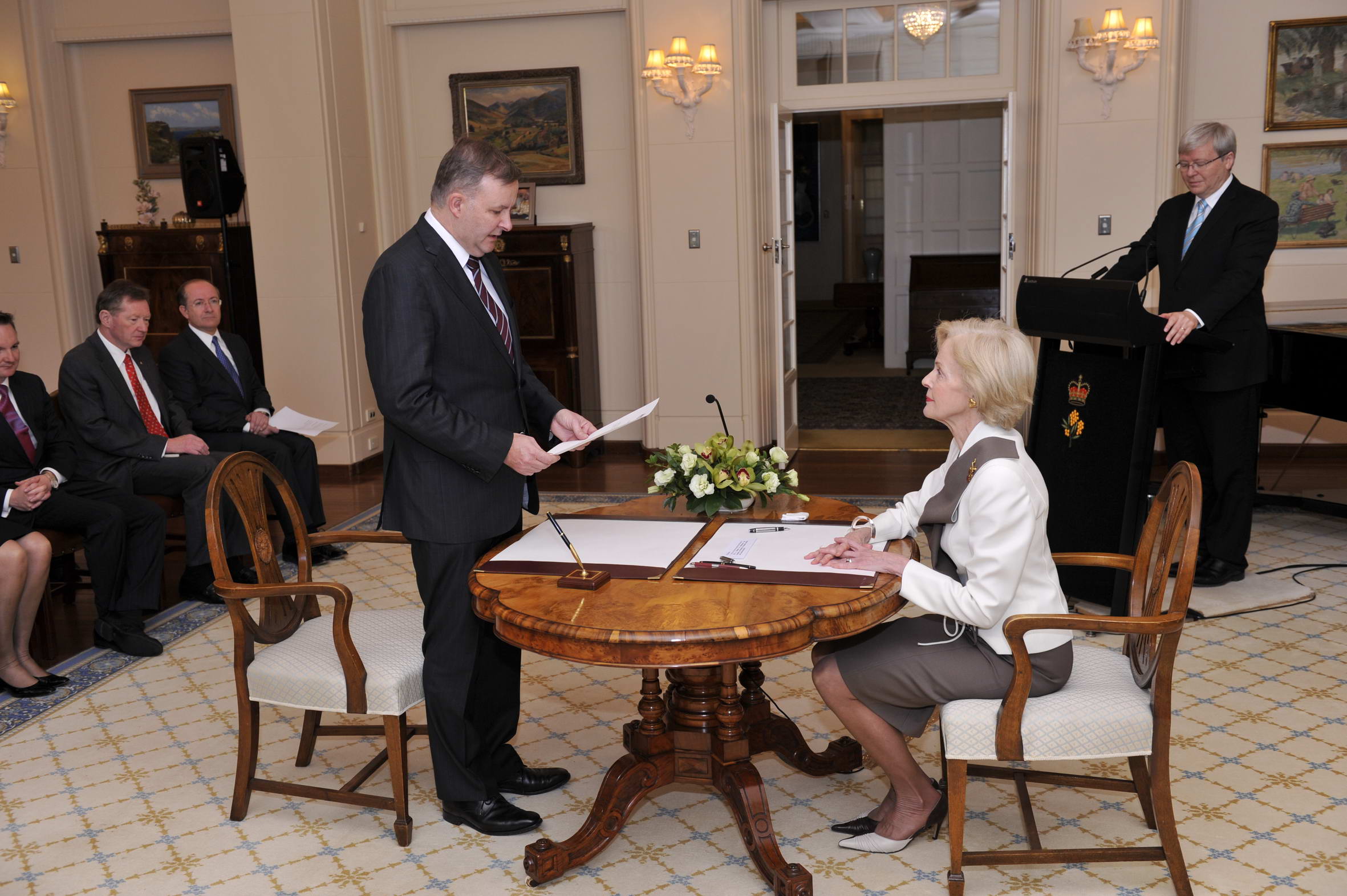
Congress leadership has appointed DK Shivakumar as the new chief ministerial candidate for Karnataka, succeeding Siddaramaiah [1].
This transition represents a strategic pivot for the party as it attempts to navigate complex social dynamics and voter sentiment. By changing the face of its leadership, the party seeks to neutralize growing anti-incumbency and strengthen its electoral position before the next cycle.
The decision comes as the party looks to recalibrate caste equations within the state. Leadership said that this shift in personnel will better align the party with various demographic interests, a move intended to broaden its appeal across the region [1].
This leadership reset is part of a broader long-term electoral strategy. The party is prioritizing a fresh image to maintain its hold on the state government and ensure a competitive edge in future contests [1].
These internal adjustments are being made well in advance of the official voting window. State assembly elections are still two years away [2].
The appointment marks a definitive change in the party's hierarchy in Karnataka. By elevating Shivakumar, Congress is betting on his ability to mobilize the base and attract new voters who may have grown dissatisfied with the previous administration [1].
“DK Shivakumar is set to become the next Chief Minister of Karnataka, succeeding Siddaramaiah.”
The appointment of DK Shivakumar suggests that Congress is prioritizing electoral viability over continuity. By initiating this change two years before the assembly elections, the party is attempting to give the new leader sufficient time to establish his authority and reshape the government's public image, specifically targeting caste-based voting blocs to prevent losses to opposition parties.