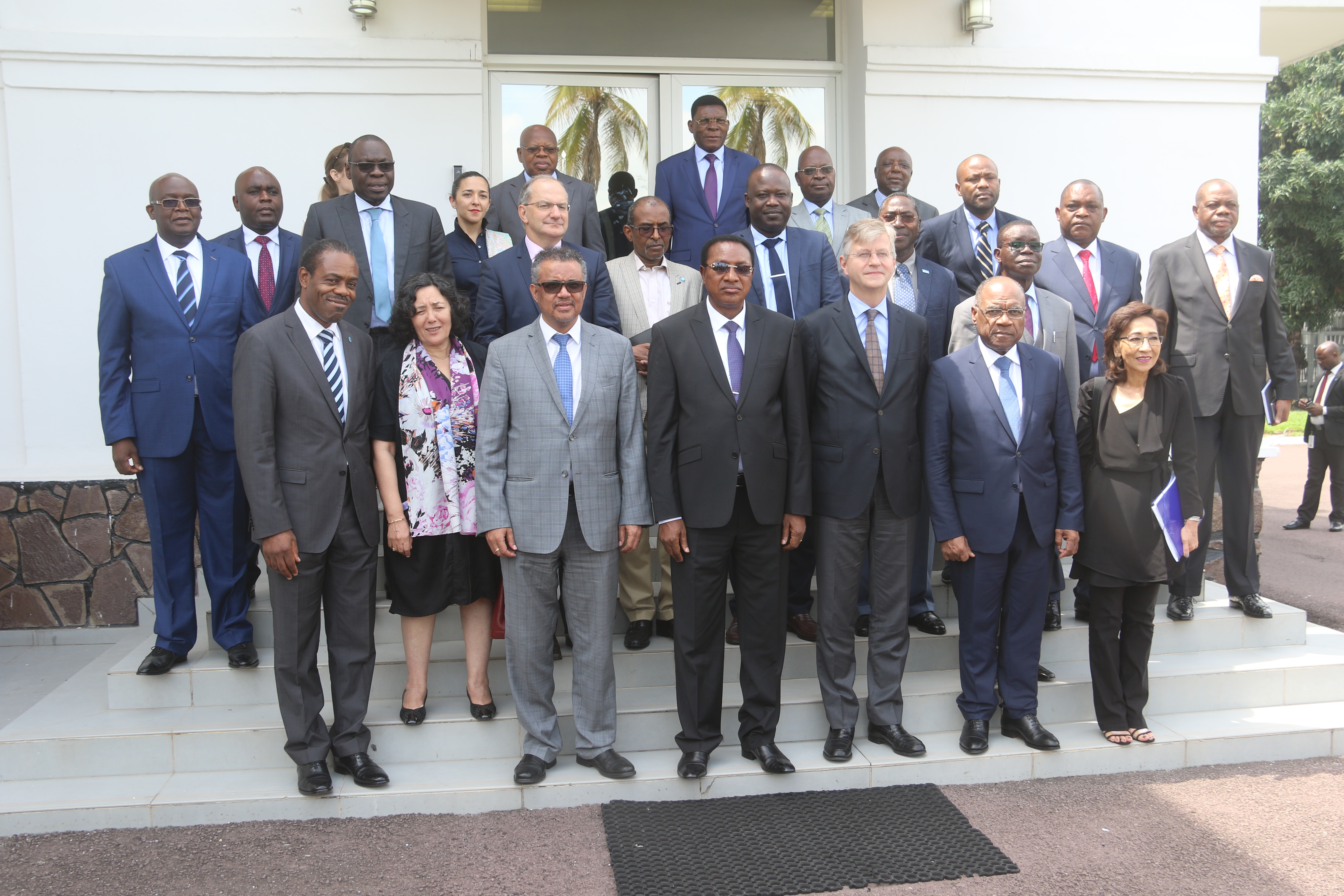
Health officials have declared a public health emergency in the Democratic Republic of Congo following an Ebola outbreak that began in May 2026 [1].
The crisis is particularly critical because the outbreak involves the Bundibugyo strain, a rare species of the virus for which no vaccine currently exists. This gap in medical countermeasures, combined with reports of under-counting, increases the risk of a large-scale epidemic that could cross borders into neighboring countries like Uganda.
Confirmed cases have already exceeded 800, with almost 200 deaths reported [1]. However, these figures may not reflect the true scale of the crisis. African officials said, "We are missing cases" [1].
The Africa CDC chief said that the current trajectory of the virus is alarming. "We could be looking at the worst Ebola outbreak on record," the chief said [2]. While some reports describe the event as the largest on record, others categorize it as one of the worst in decades [3, 4].
Medical teams from the World Health Organization and the Africa CDC are working to contain the spread. The lack of a specific vaccine for this strain forces health workers to rely on supportive care, and rigorous contact tracing to slow the transmission rate.
Regional instability and the difficulty of accessing remote areas continue to hamper surveillance efforts. The discrepancy between confirmed cases and suspected infections suggests that the virus is spreading faster than testing capacities can track.
“"We could be looking at the worst Ebola outbreak on record"”
The emergence of the Bundibugyo strain represents a significant vulnerability in global health security. Because existing Ebola vaccines are designed for different strains, the international community lacks a primary preventative tool to stop this specific outbreak. The warning that cases are under-reported suggests a high probability of undetected community transmission, which complicates containment and elevates the risk of a regional pandemic.


