
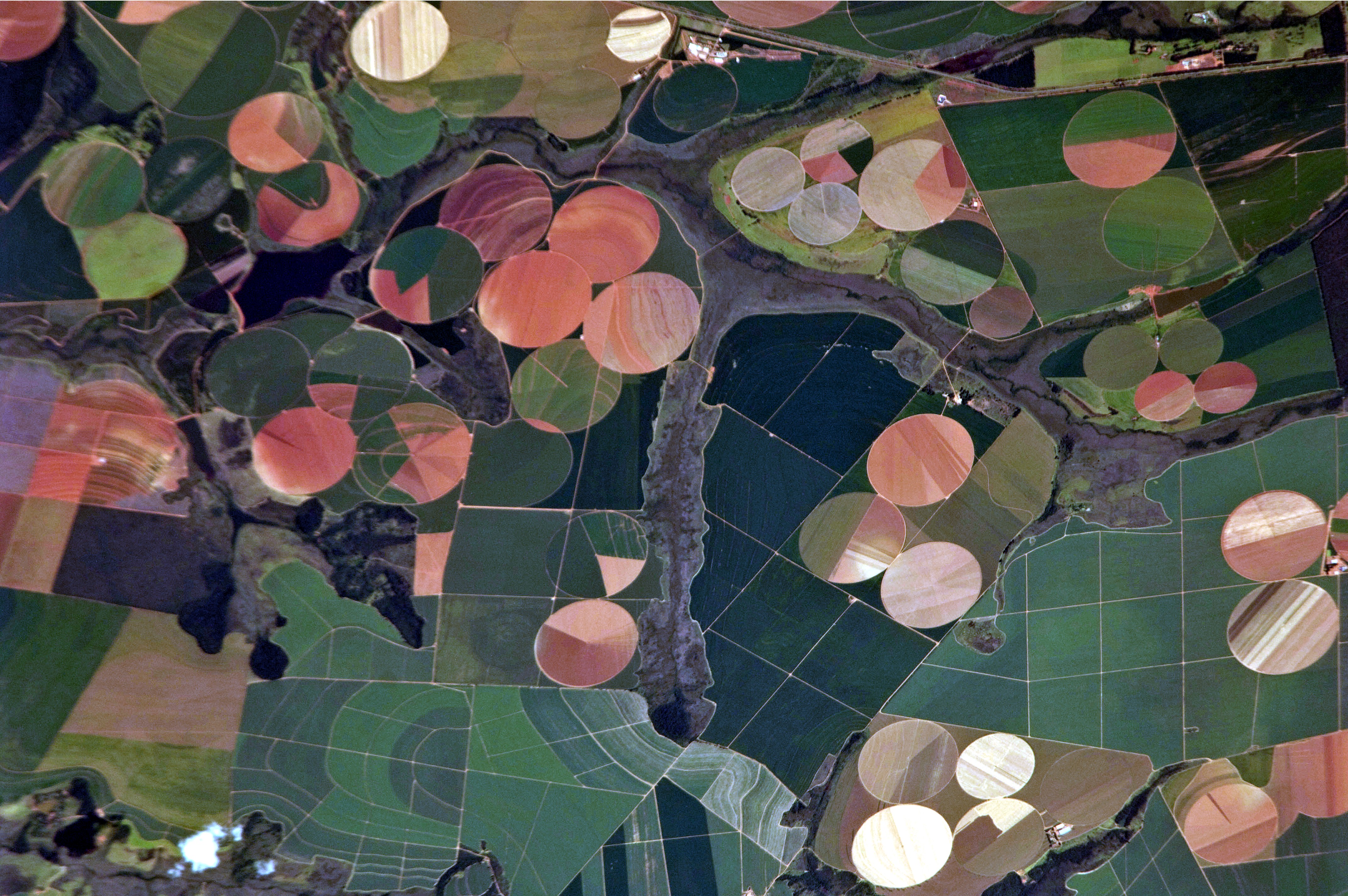
The El Niño climate phenomenon is expected to impact agricultural production in Brazil and other producing regions worldwide starting this month.
This weather shift matters because it alters global precipitation and temperature patterns, creating unfavorable conditions for both seasonal and perennial crops. Such disruptions can lead to lower crop yields, affecting food security, and commodity prices on a global scale.
Marcello Brito, director of FDC Agroambiental and former president of Abag, said the phenomenon will impact the production of various agricultural sectors. Brito said the shift in climate patterns creates a challenging environment for farmers who rely on stable weather cycles for planting and harvesting.
Data indicates that the formation of El Niño is estimated to occur by mid-May or June 2026 [1]. This timeline places the onset of the phenomenon in the current window, forcing producers to adapt their strategies for the upcoming growing seasons.
The impact is not limited to a single region but extends to other agricultural hubs around the world. Because El Niño shifts the distribution of moisture and heat, regions that typically receive steady rain may face droughts, while other areas could experience excessive rainfall, both of which jeopardize crop health.
Brito said the phenomenon affects both seasonal crops, which are planted and harvested within a year, and perennial crops, which produce over several years. This broad impact means that a wide variety of agricultural products, from grains to fruits, could see fluctuations in availability and quality.
Agricultural experts continue to monitor the progression of the phenomenon to provide better guidance for farmers. The goal is to mitigate the risks associated with the unpredictable weather patterns that accompany El Niño's arrival.
“The El Niño climate phenomenon is expected to impact agricultural production in Brazil and other producing regions worldwide.”
The arrival of El Niño signals a period of heightened volatility for the global agribusiness sector. By disrupting established rainfall and temperature norms, the phenomenon can trigger supply chain shocks and price inflation for essential crops. For Brazil, a leading global exporter, these climatic shifts may result in significant economic volatility depending on the severity of the drought or flood conditions in key farming belts.


