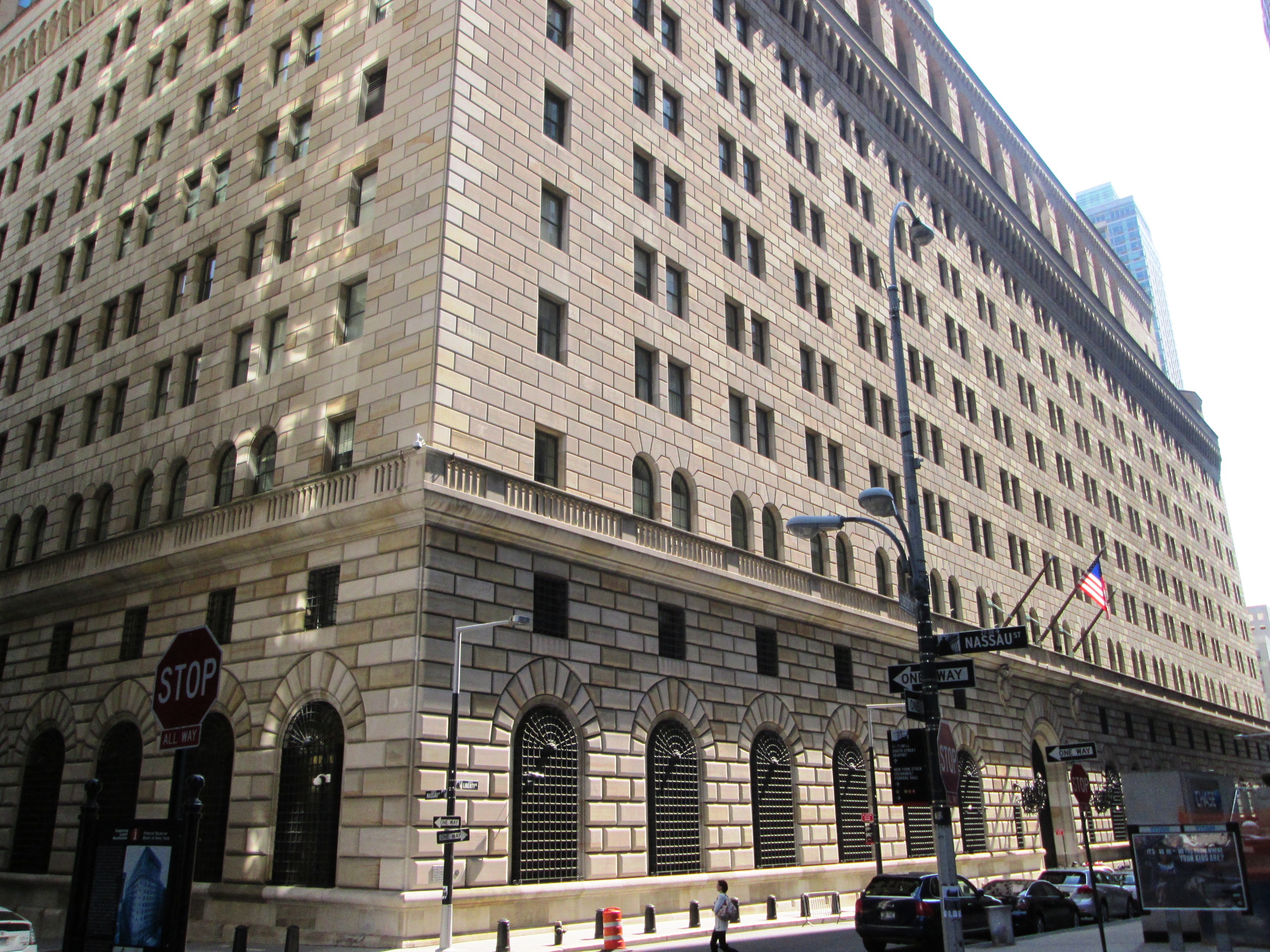
The Federal Reserve held benchmark interest rates steady on Wednesday as inflation reached its highest level in three years [1].
This decision places the U.S. central bank in a delicate position, attempting to stabilize the economy while prices continue to climb. The move signals a cautious approach to monetary policy as officials weigh the risk of further price increases against the potential for economic slowdown.
Federal Open Market Committee members met in Washington, D.C., to determine the current trajectory of borrowing costs [2]. While the committee opted not to change rates during this session, policymakers said that one interest rate hike may still occur later this year [3].
Inflation has surged to a three-year high [1]. This trend has pressured the Federal Reserve to maintain a restrictive stance to prevent the economy from overheating, a primary goal of the central bank's mandate.
Officials said the decision to hold rates steady reflects the current economic data. However, the possibility of a future increase remains on the table if inflation does not recede to target levels [3].
The Federal Reserve's decision comes amid volatile market conditions. By keeping rates unchanged, the Fed is avoiding a sudden shock to the financial system while remaining vigilant about the persistent rise in consumer prices [2].
Market analysts said that the signal of a potential hike later in the year suggests the Fed is not yet convinced that inflation is under control. The central bank continues to monitor employment data, and consumer spending, to determine when the next move is necessary [3].
“The Federal Reserve held benchmark interest rates steady on Wednesday.”
The Federal Reserve is attempting a 'wait-and-see' strategy to avoid triggering a recession while battling stubborn inflation. By signaling a potential future hike despite holding rates steady now, the Fed is managing market expectations to prevent sudden volatility and keeping its options open should price levels continue to climb.