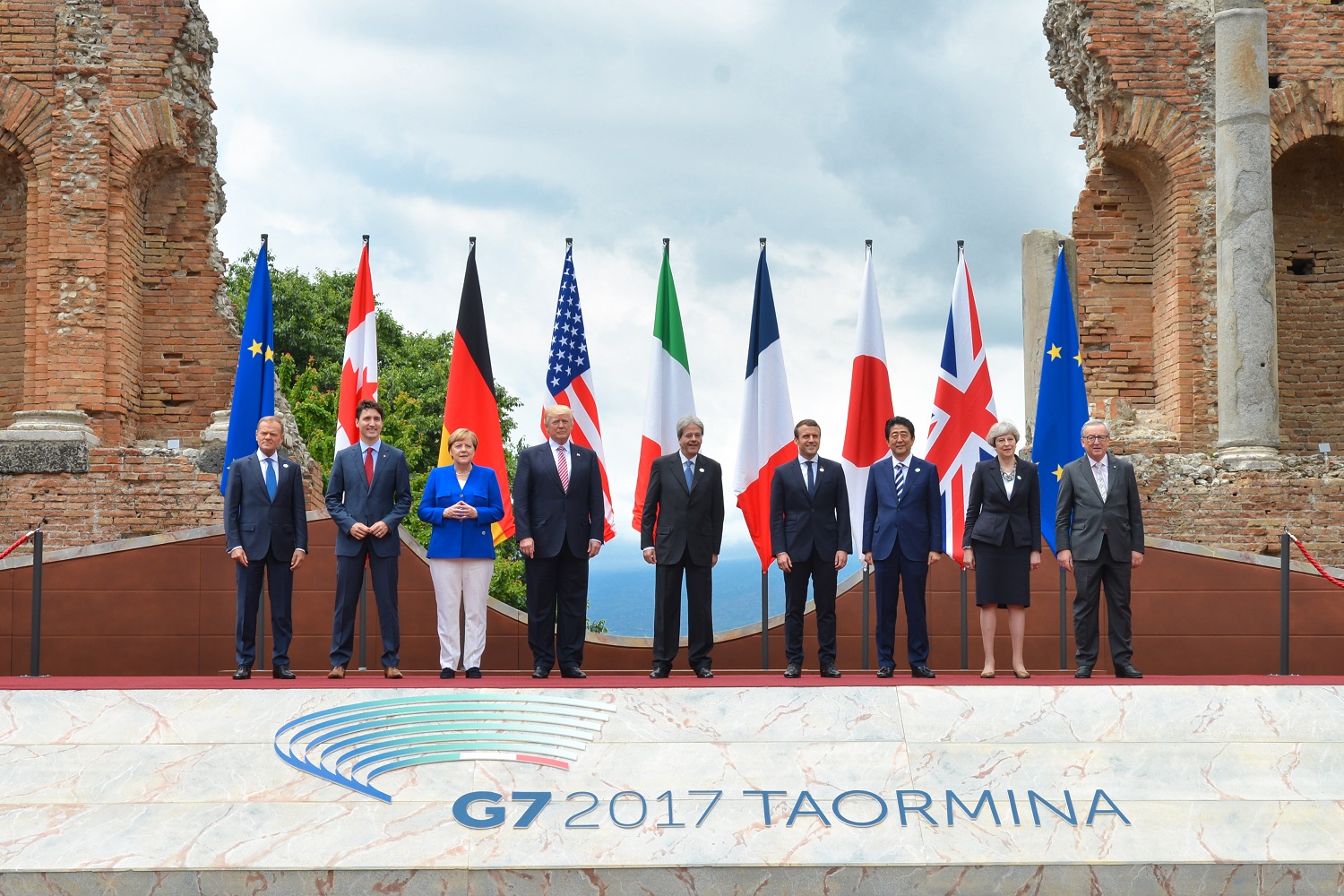
G7 leaders are taking a cautious approach toward U.S. President Donald Trump during the current summit in Évian, France [1].
This diplomatic restraint comes at a critical juncture for global security. The leaders of the seven member economies [2] are attempting to maintain a stable relationship with the U.S. to ensure cooperation on volatile international fronts.
The summit, which runs from June 15 to 17, 2026 [1], serves as a backdrop for high-stakes negotiations. Reports said the cautious atmosphere is driven by a need to avoid antagonizing Trump while a provisional U.S.-Iran agreement remains in place [3].
Beyond the Middle East, the ongoing war in Ukraine remains a primary concern for the assembled leaders [3]. The G7, comprising Canada, the U.S., France, Germany, Italy, Japan, and the United Kingdom, must coordinate their responses to the conflict while managing the specific preferences of the American administration [1].
Observers said the environment in Évian has been characterized by a desire to keep the U.S. engaged in multilateral efforts. The provisional nature of the Iran deal means that any diplomatic friction could potentially jeopardize the stability of the agreement [3].
As the summit progresses through June 17 [1], the focus remains on balancing national interests with the necessity of U.S. support. The leaders are prioritizing a functional working relationship over public disagreements to ensure that strategic goals in Europe and Asia are not compromised by diplomatic fallout [3].
“Leaders are being careful not to antagonise Donald Trump at the G7 summit”
The cautious behavior of G7 leaders indicates a perceived fragility in the current U.S. alliance system. By prioritizing the avoidance of conflict with President Trump, these nations are signaling that they view U.S. participation in the Iran agreement and the Ukraine war effort as contingent on the personal rapport and satisfaction of the U.S. president, rather than on established institutional treaties.