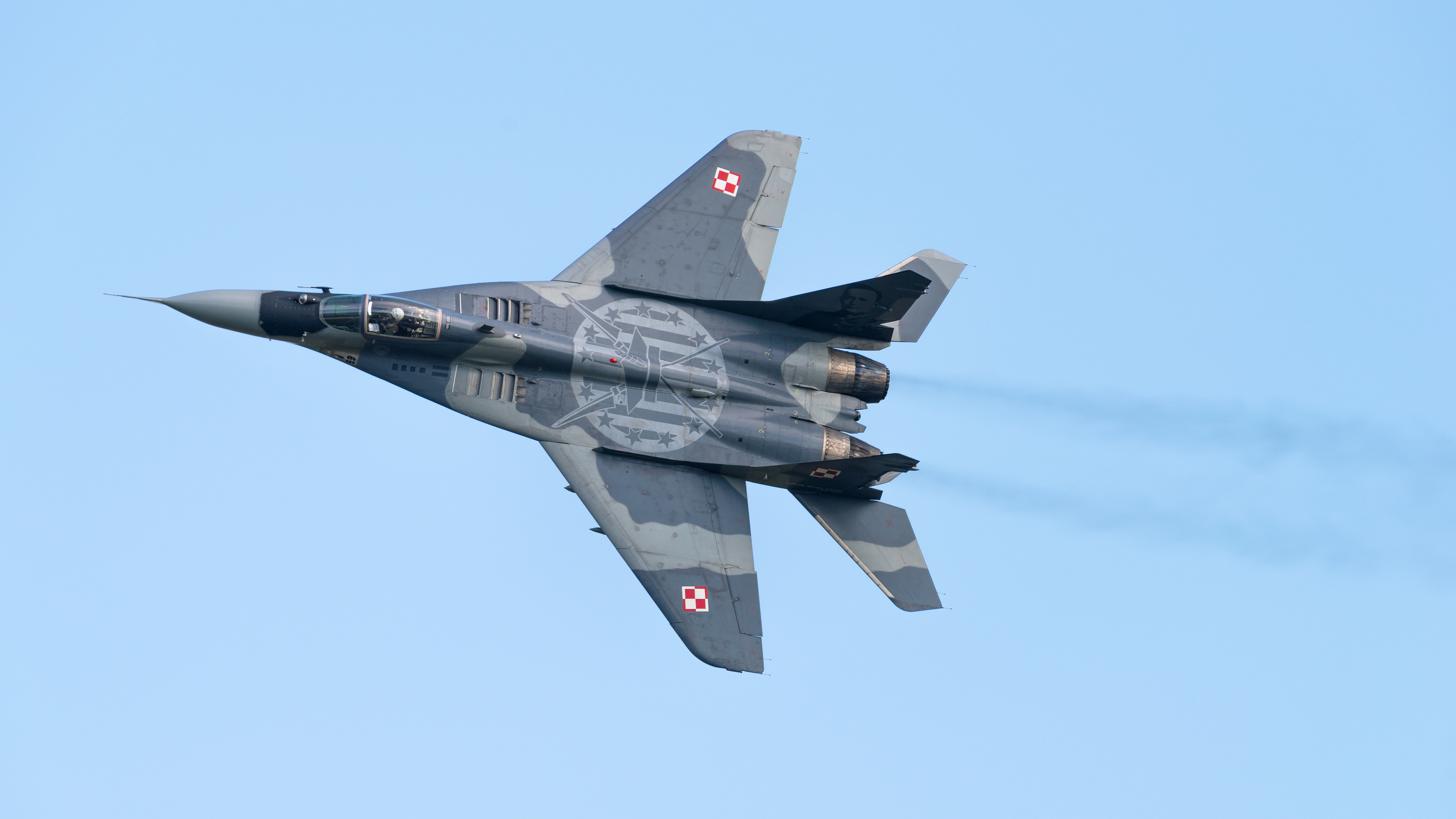
Drones and autonomous systems have overtaken traditional fighter jets as the primary focus of the International Aerospace Exhibition in Berlin.
The shift reflects a fundamental change in modern warfare. As geopolitical tensions rise and traditional aerospace projects face setbacks, the industry is pivoting toward unmanned platforms to maintain a strategic edge.
The exhibition opened on Wednesday, June 10, 2026 [1]. While manned fighter jets continue to fly and appear in displays, the conversation among defense companies and aircraft manufacturers has shifted toward the integration of autonomous systems [2]. This transition is highlighted by the presence of a new generation of defense companies specializing in drone technology [2].
The atmosphere at the show is influenced by current global conflicts. Discussions regarding the Iran war have pushed the necessity of autonomous systems to the forefront of the dialogue [3]. The urgency is further compounded by the recent collapse of a Franco-German fighter jet project, which has left a void in European air superiority planning [3].
Industry leaders at the event said these unmanned systems can operate in contested environments where manned aircraft face too much risk. The ILA venue has become a showcase for how software and robotics are now as critical to air power as engine thrust and airframes [2].
Defense developers are focusing on the scalability of these systems. The ability to deploy swarms of drones provides a tactical flexibility that traditional jets cannot match, a reality that is driving the investment patterns seen at the Berlin exhibition [2].
“Drones and autonomous systems have overtaken traditional fighter jets as the primary focus.”
The transition from manned aircraft to autonomous systems at ILA Berlin signals a strategic pivot in Western defense procurement. The collapse of the Franco-German fighter project, paired with the operational lessons of the Iran war, suggests that the future of air superiority will rely on a 'loyal wingman' concept or fully unmanned fleets rather than solely on expensive, piloted platforms.