
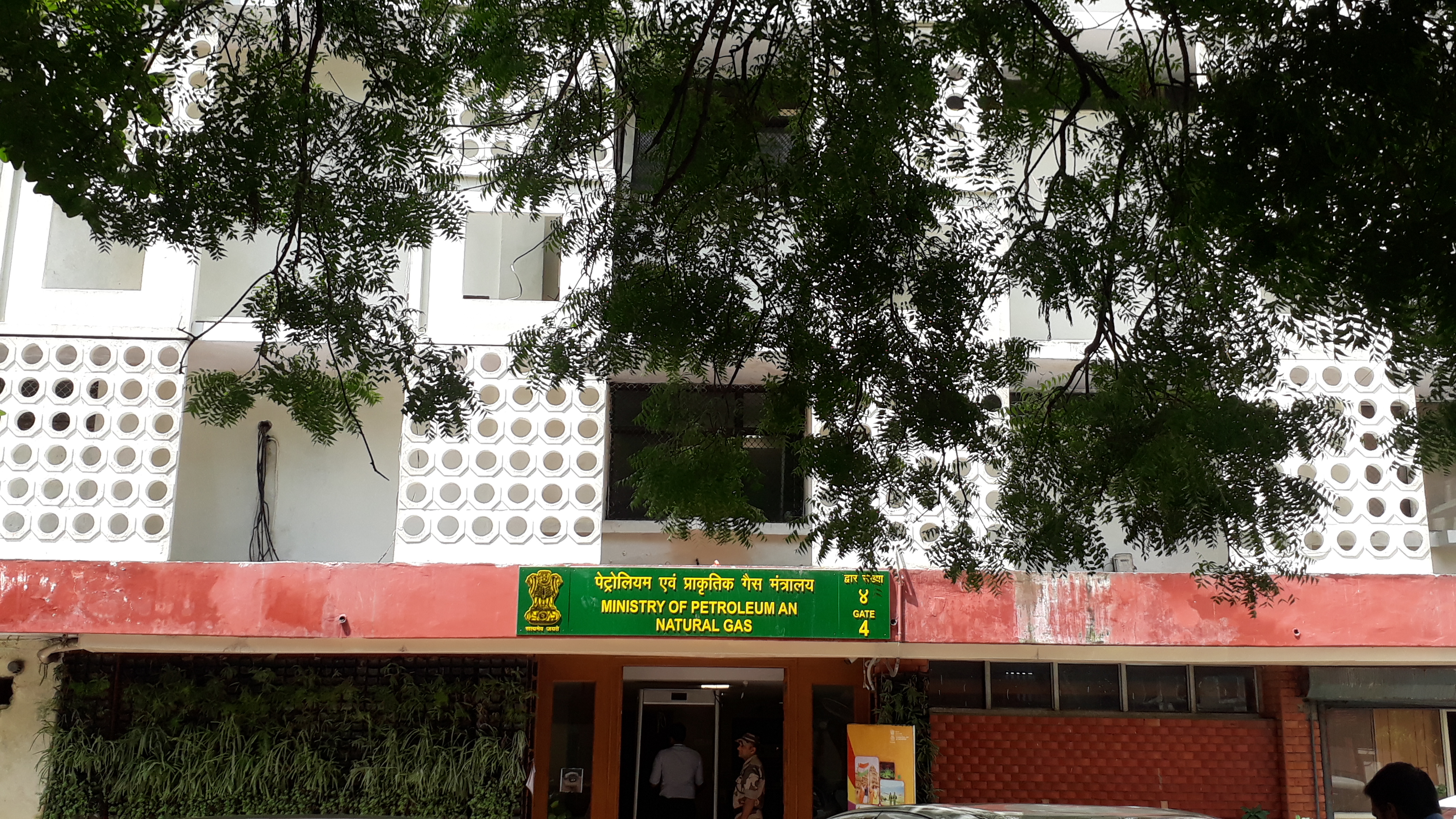
The Indian government has denied reports that petrol and diesel prices will increase following state assembly elections [1, 2].
Fuel pricing is a sensitive economic and political issue in India. Sudden hikes often trigger inflation and public discontent, making official clarity essential during election cycles in four states [1].
A spokesperson for the Ministry of Petroleum and Natural Gas said reports of a petrol-diesel price hike were "fake" [1]. The government said there are no plans to increase petrol and diesel prices [2]. These statements follow viral claims suggesting that rates would rise once the current voting period concluded [3].
Despite official denials, market pressures remain. Oil Marketing Companies (OMCs) are in discussions with the central government about raising prices of petrol and diesel as they are incurring losses on the sale of retail fuel [4]. These companies manage the distribution of fuel across the country and are vulnerable to fluctuations in global crude oil costs.
External analysts have also suggested that a price adjustment is likely. The International Monetary Fund (IMF) said that a price hike may be inevitable given rising crude costs [5]. This creates a contradiction between the government's public stance and the financial realities facing the OMCs and global economic trends.
Government officials said that no such proposal is under consideration [3]. The ministry continues to monitor the situation while addressing the speculation driven by the IMF commentary and the reported losses of the OMCs [1, 5].
“The Ministry of Petroleum and Natural Gas dismissed reports of a petrol‑diesel price hike as "fake".”
The disconnect between the Indian government's denials and the warnings from the IMF and OMCs suggests a tension between political stability and economic sustainability. While the government aims to avoid price shocks during an election period, the mounting losses for oil companies may eventually force a correction to align retail prices with global crude volatility.


