India raised petrol and diesel prices by approximately 90 paise per litre on May 19, 2024 [1].
This price surge reflects the growing economic pressure on India as critical energy supply routes are severed. Because the country relies heavily on imports, any disruption in the Middle East directly impacts the cost of transportation and consumer goods.
The latest increase marks the second price hike within five days [1]. Total fuel price increases over that period have reached nearly four rupees per litre [1]. These adjustments affect major urban centers, including Delhi, Mumbai, and Chennai [1].
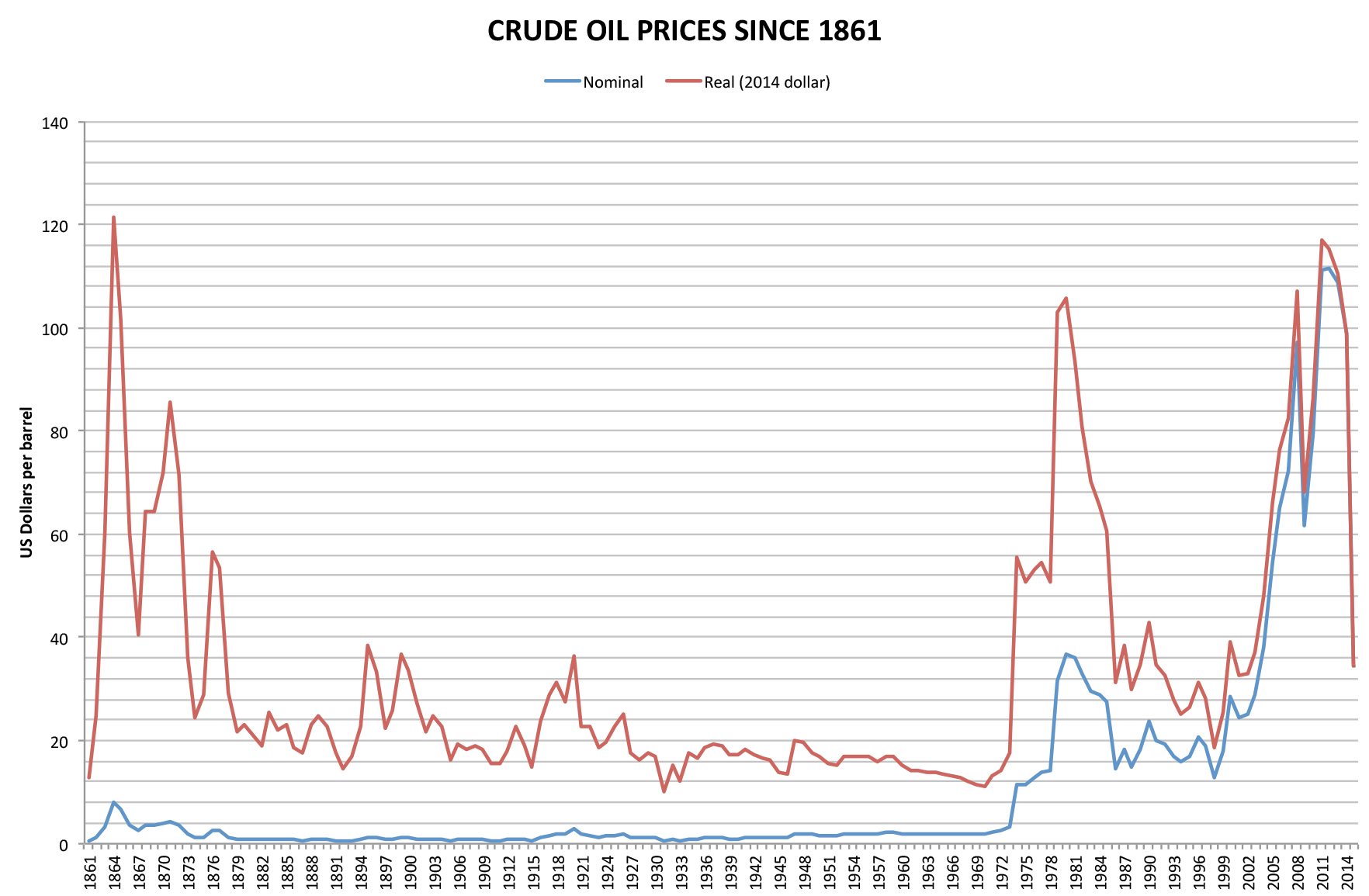
The price hikes are linked to the closure of the Strait of Hormuz, which has disrupted global supply chains and pushed crude oil prices above $110 a barrel [1], [2]. The impact on Indian energy security is severe — the country has lost over 40% of its crude oil flows since the strait closed [2].
Financial strain is also mounting for the domestic energy sector. Oil-marketing companies in India are reportedly bleeding up to ₹1,000 crore per day [2]. While some reports indicate that the government has attempted to keep pump prices artificially low to shield consumers, the recent hikes suggest that these subsidies may no longer be sustainable [1], [2].
Global price pressures remain high, as seen in other markets. For reference, average petrol prices in the UK have reached 157.21 pence per litre, while diesel has hit 188.26 pence per litre [3].
“India has lost over 40% of its crude oil flows since the Hormuz Strait closed”
The intersection of geopolitical instability in the Strait of Hormuz and India's high dependence on imported crude oil creates a volatile economic environment. The inability to maintain artificially low pump prices suggests that the cost of the energy crisis is shifting from state-backed oil companies directly to the consumer, which could trigger broader inflationary pressures across the Indian economy.