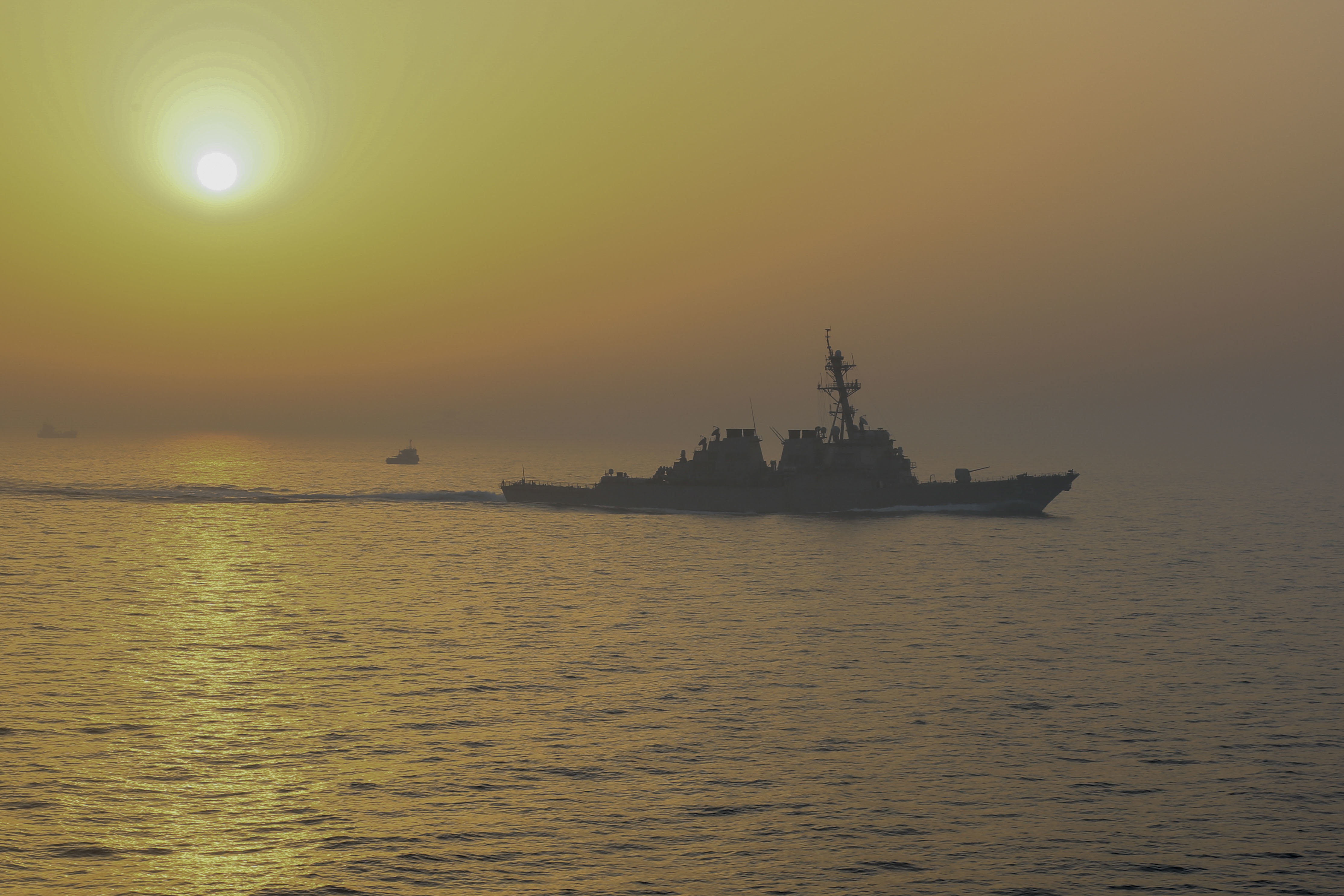
The Indian-flagged LNG carrier Disha safely transited the Strait of Hormuz on Monday, June 17, 2024, while transporting liquefied natural gas to India [1].
This transit marks a significant shift in regional maritime activity. The Disha is the first Indian-flagged LNG vessel to exit the conflict-hit region in more than three months, a move facilitated by a peace deal between the U.S. and Iran that has reduced local tensions [2].
Managed by a consortium led by the Shipping Corporation of India, the vessel is carrying a cargo of 62,370 metric tonnes of LNG [1]. The ship is currently en route to Dahej port in India, where it is scheduled to arrive on June 18, 2024 [1].
The movement comes amid a cautious return to the waterway. So far, 10 Indian-flagged vessels and five foreign-flagged vessels have crossed the strait [3].
Maritime security remains a critical concern for New Delhi due to the high volume of its citizens working in the area. There are currently 18,000 Indian seafarers in the Gulf region [3]. Of those, 325 Indian seafarers are situated west of the Strait of Hormuz [3].
Shipping companies continue to monitor the situation closely. While the U.S.-Iran agreement has eased immediate pressures, some shippers remain cautious about transiting the strait as they evaluate the long-term stability of the peace deal [4].
“The Disha is the first Indian-flagged LNG vessel to exit the conflict-hit region in more than three months”
The successful transit of the Disha serves as a litmus test for the effectiveness of the US-Iran peace deal in restoring commercial shipping lanes. Because the Strait of Hormuz is a global energy chokepoint, the return of Indian-flagged LNG carriers suggests a gradual restoration of confidence in the region's security, though the continued caution of other shippers indicates that full stability has not yet been reached.
'%2F%3E%0A%20%20%20%20%3Crect%20width%3D'1600'%20height%3D'900'%20fill%3D'url(%23v)'%2F%3E%0A%20%20%20%20%3Cg%20opacity%3D'0.08'%20fill%3D'%23ffffff'%3E%0A%20%20%20%20%20%20%3Ccircle%20cx%3D'1420'%20cy%3D'180'%20r%3D'220'%2F%3E%0A%20%20%20%20%20%20%3Ccircle%20cx%3D'1500'%20cy%3D'760'%20r%3D'120'%2F%3E%0A%20%20%20%20%3C%2Fg%3E%0A%20%20%20%20%3Cline%20x1%3D'80'%20y1%3D'172'%20x2%3D'220'%20y2%3D'172'%20stroke%3D'%23ffffff'%20stroke-width%3D'3'%20stroke-opacity%3D'0.6'%2F%3E%0A%20%20%20%20%3Ctext%20x%3D'80'%20y%3D'140'%20font-family%3D'Inter%2C%20-apple-system%2C%20Helvetica%2C%20sans-serif'%20font-weight%3D'700'%20font-size%3D'28'%20fill%3D'%23ffffff'%20letter-spacing%3D'6'%3EHANNA%20%C2%B7%20NEWS%3C%2Ftext%3E%0A%20%20%20%20%3Ctext%20x%3D'80'%20y%3D'230'%20font-family%3D'Inter%2C%20-apple-system%2C%20Helvetica%2C%20sans-serif'%20font-weight%3D'600'%20font-size%3D'40'%20fill%3D'%23ffffffb3'%20letter-spacing%3D'4'%3EWORLD%3C%2Ftext%3E%0A%20%20%20%20%3Ctext%20x%3D'80'%20y%3D'622'%20font-family%3D'Playfair%20Display%2C%20Georgia%2C%20serif'%20font-weight%3D'800'%20font-size%3D'86'%20fill%3D'%23ffffff'%20letter-spacing%3D'-1'%3ECockroach%20Janta%20Party%3C%2Ftext%3E%3Ctext%20x%3D'80'%20y%3D'721'%20font-family%3D'Playfair%20Display%2C%20Georgia%2C%20serif'%20font-weight%3D'800'%20font-size%3D'86'%20fill%3D'%23ffffff'%20letter-spacing%3D'-1'%3Efounder%20slapped%20at%20Jaipur%3C%2Ftext%3E%3Ctext%20x%3D'80'%20y%3D'820'%20font-family%3D'Playfair%20Display%2C%20Georgia%2C%20serif'%20font-weight%3D'800'%20font-size%3D'86'%20fill%3D'%23ffffff'%20letter-spacing%3D'-1'%3Eprotest%3C%2Ftext%3E%0A%20%20%20%20%3Ctext%20x%3D'80'%20y%3D'870'%20font-family%3D'Inter%2C%20-apple-system%2C%20Helvetica%2C%20sans-serif'%20font-weight%3D'500'%20font-size%3D'22'%20fill%3D'%23ffffff66'%20letter-spacing%3D'2'%3Enews.hanna-ai.com%3C%2Ftext%3E%0A%20%20%3C%2Fsvg%3E)