
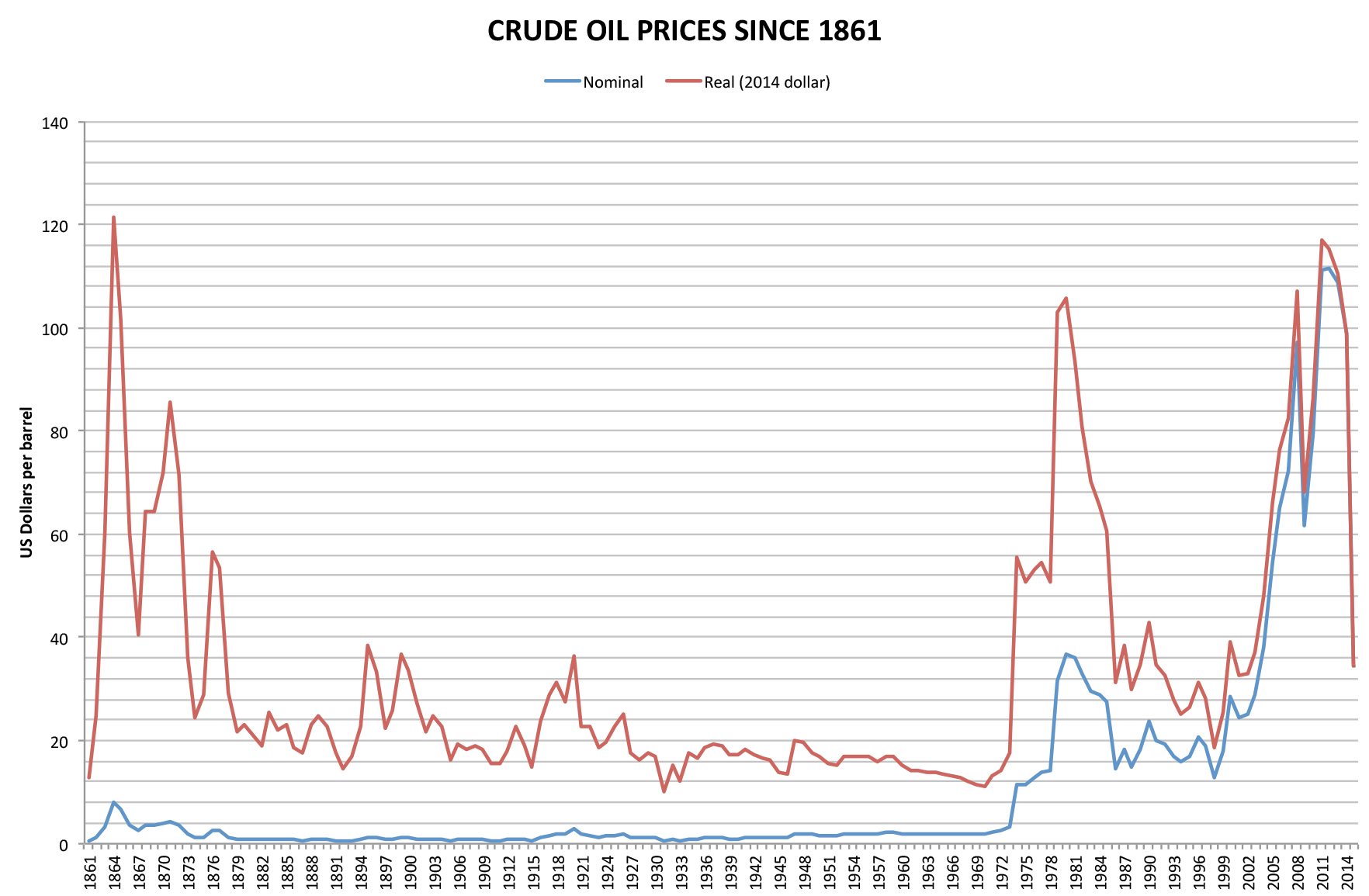
Indian benchmark indices fell on May 19, 2024, as investors reacted to heightened U.S.-Iran tensions and climbing crude oil prices [1, 2, 3].
The decline reflects growing market anxiety over geopolitical instability in the Middle East. Because India imports a vast majority of its oil, sudden price spikes and supply disruptions in the Strait of Hormuz directly impact national economic stability and corporate profitability.
Market data from the day showed significant volatility. The Sensex fell over 420 points at the open [3]. Reports on the final closing figures vary across sources. One report said the Sensex fell 114.19 points to close at 75,200.85 [1]. Other reports indicated a sharper decline, with the index dropping 550 points [2] or shedding 300 points [3].
Similarly, the Nifty index saw conflicting reports regarding its total loss. One source said the Nifty fell 31.95 points to close at 23,618.00 [1]. Other data suggested the index fell 160 points [2] or 100 points [3].
The sell-off was driven by a combination of stalled U.S.-Iran peace talks and a fresh escalation in the conflict between the two nations [2, 3]. These tensions have put upward pressure on energy costs, with crude oil topping $110 per barrel [3].
Market participants said investor caution was the primary driver for the downward trend. The disruption of shipping lanes and the threat of prolonged war have created a risk-off sentiment across the Bombay Stock Exchange, and National Stock Exchange [1, 2].
“Crude oil topped $110 per barrel”
The discrepancy in reporting the exact point drops for the Sensex and Nifty suggests a highly volatile trading session with rapid fluctuations. The primary economic trigger is the sensitivity of the Indian market to crude oil prices; as geopolitical conflict in the Middle East threatens the Strait of Hormuz, the resulting energy inflation creates a bearish outlook for Indian equities.

'%2F%3E%0A%20%20%20%20%3Crect%20width%3D'1600'%20height%3D'900'%20fill%3D'url(%23v)'%2F%3E%0A%20%20%20%20%3Cg%20opacity%3D'0.08'%20fill%3D'%23ffffff'%3E%0A%20%20%20%20%20%20%3Ccircle%20cx%3D'1420'%20cy%3D'180'%20r%3D'220'%2F%3E%0A%20%20%20%20%20%20%3Ccircle%20cx%3D'1500'%20cy%3D'760'%20r%3D'120'%2F%3E%0A%20%20%20%20%3C%2Fg%3E%0A%20%20%20%20%3Cline%20x1%3D'80'%20y1%3D'172'%20x2%3D'220'%20y2%3D'172'%20stroke%3D'%23ffffff'%20stroke-width%3D'3'%20stroke-opacity%3D'0.6'%2F%3E%0A%20%20%20%20%3Ctext%20x%3D'80'%20y%3D'140'%20font-family%3D'Inter%2C%20-apple-system%2C%20Helvetica%2C%20sans-serif'%20font-weight%3D'700'%20font-size%3D'28'%20fill%3D'%23ffffff'%20letter-spacing%3D'6'%3EHANNA%20%C2%B7%20NEWS%3C%2Ftext%3E%0A%20%20%20%20%3Ctext%20x%3D'80'%20y%3D'230'%20font-family%3D'Inter%2C%20-apple-system%2C%20Helvetica%2C%20sans-serif'%20font-weight%3D'600'%20font-size%3D'40'%20fill%3D'%23ffffffb3'%20letter-spacing%3D'4'%3EBUSINESS%3C%2Ftext%3E%0A%20%20%20%20%3Ctext%20x%3D'80'%20y%3D'694'%20font-family%3D'Playfair%20Display%2C%20Georgia%2C%20serif'%20font-weight%3D'800'%20font-size%3D'110'%20fill%3D'%23ffffff'%20letter-spacing%3D'-1'%3EIndia%20Defends%20Human%20Rights%3C%2Ftext%3E%3Ctext%20x%3D'80'%20y%3D'820'%20font-family%3D'Playfair%20Display%2C%20Georgia%2C%20serif'%20font-weight%3D'800'%20font-size%3D'110'%20fill%3D'%23ffffff'%20letter-spacing%3D'-1'%3ERecord%20During%20Nordic%20Visit%3C%2Ftext%3E%0A%20%20%20%20%3Ctext%20x%3D'80'%20y%3D'870'%20font-family%3D'Inter%2C%20-apple-system%2C%20Helvetica%2C%20sans-serif'%20font-weight%3D'500'%20font-size%3D'22'%20fill%3D'%23ffffff66'%20letter-spacing%3D'2'%3Enews.hanna-ai.com%3C%2Ftext%3E%0A%20%20%3C%2Fsvg%3E)

