
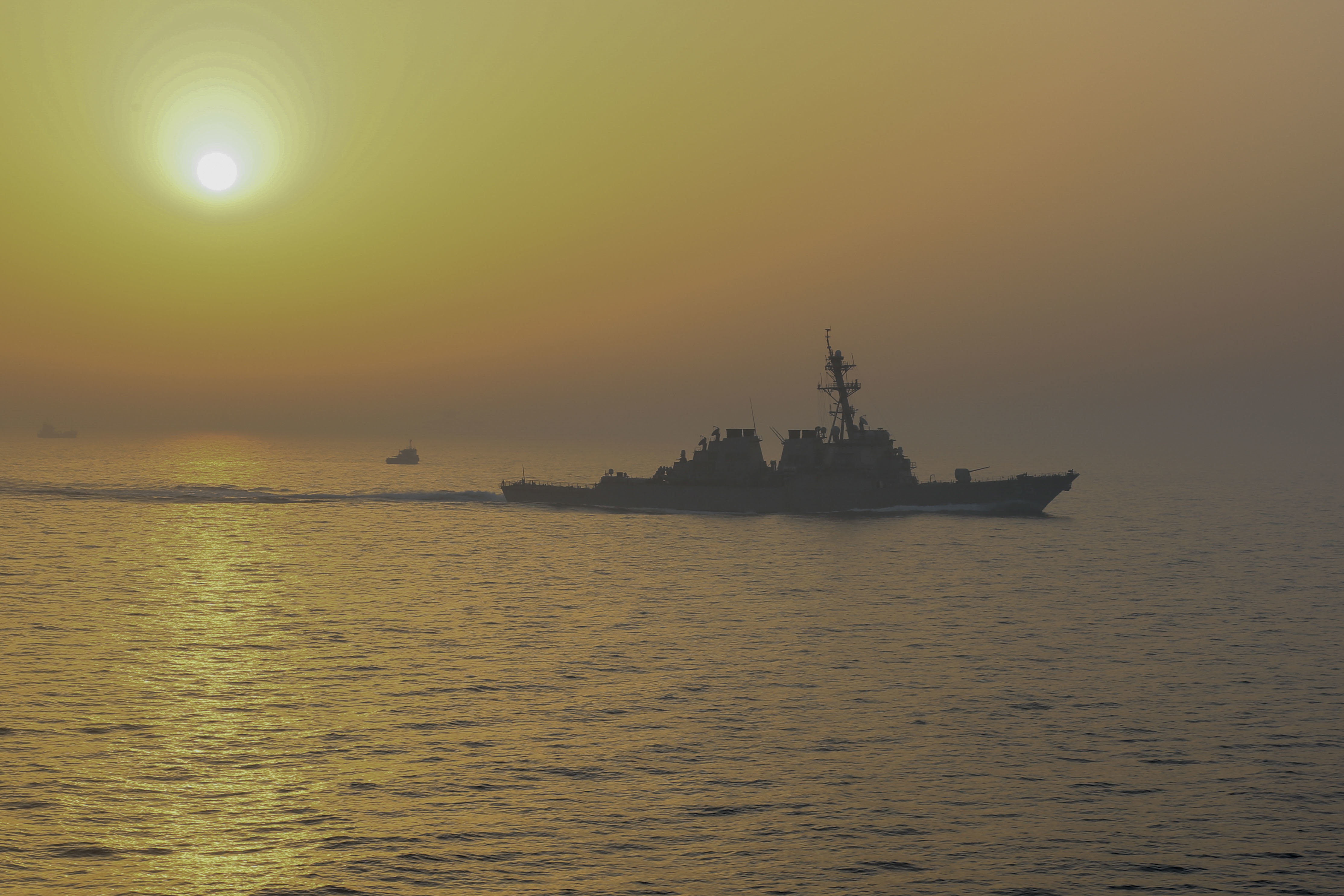
Iran's Revolutionary Guard Corps (IRGC) Navy coordinated the passage of 35 ships through the Strait of Hormuz over a 24-hour period [1].
The movement of these vessels underscores the IRGC's role in managing one of the world's most critical energy chokepoints. Control over this waterway remains a central point of contention between Iran and international powers, particularly regarding the legality of maritime oversight, and potential fees.
A spokesperson for the IRGC Navy said, "35 vessels, including oil tankers, container ships, and other commercial craft, successfully transited the Strait of Hormuz" [2]. The operation aimed to facilitate energy trade and commercial shipping under the coordination of the Iranian naval forces [1, 3].
However, the move has drawn criticism from U.S. officials. Marco Rubio (R-FL) said he was concerned over the nature of this coordination, specifically rejecting what he described as a "tolling system" [4]. While Rubio noted "slight progress" in peace talks with Iran, he said he condemned efforts to "create a tolling system" for vessels using the strait [4].
The Strait of Hormuz is the only sea route from the Persian Gulf to the open ocean. Because of its strategic importance, any shift toward formal Iranian coordination or tolling of commercial traffic could impact global oil prices and shipping insurance rates.
IRGC officials said the coordination ensured the safe exit of the 35 ships [1]. The mix of cargo included essential oil tankers, and container ships, maintaining the flow of trade despite the political friction between Tehran and Washington [2].
“"35 vessels, including oil tankers, container ships, and other commercial craft, successfully transited the Strait of Hormuz"”
The IRGC's public assertion of coordinating commercial traffic is a signal of its intended authority over the Strait of Hormuz. By framing the transit as a coordinated effort, Iran tests the international community's acceptance of its maritime control. The U.S. reaction suggests that while diplomatic channels may be open, any attempt by Iran to monetize or formalize a 'toll' for passage is a red line that could escalate naval tensions.


