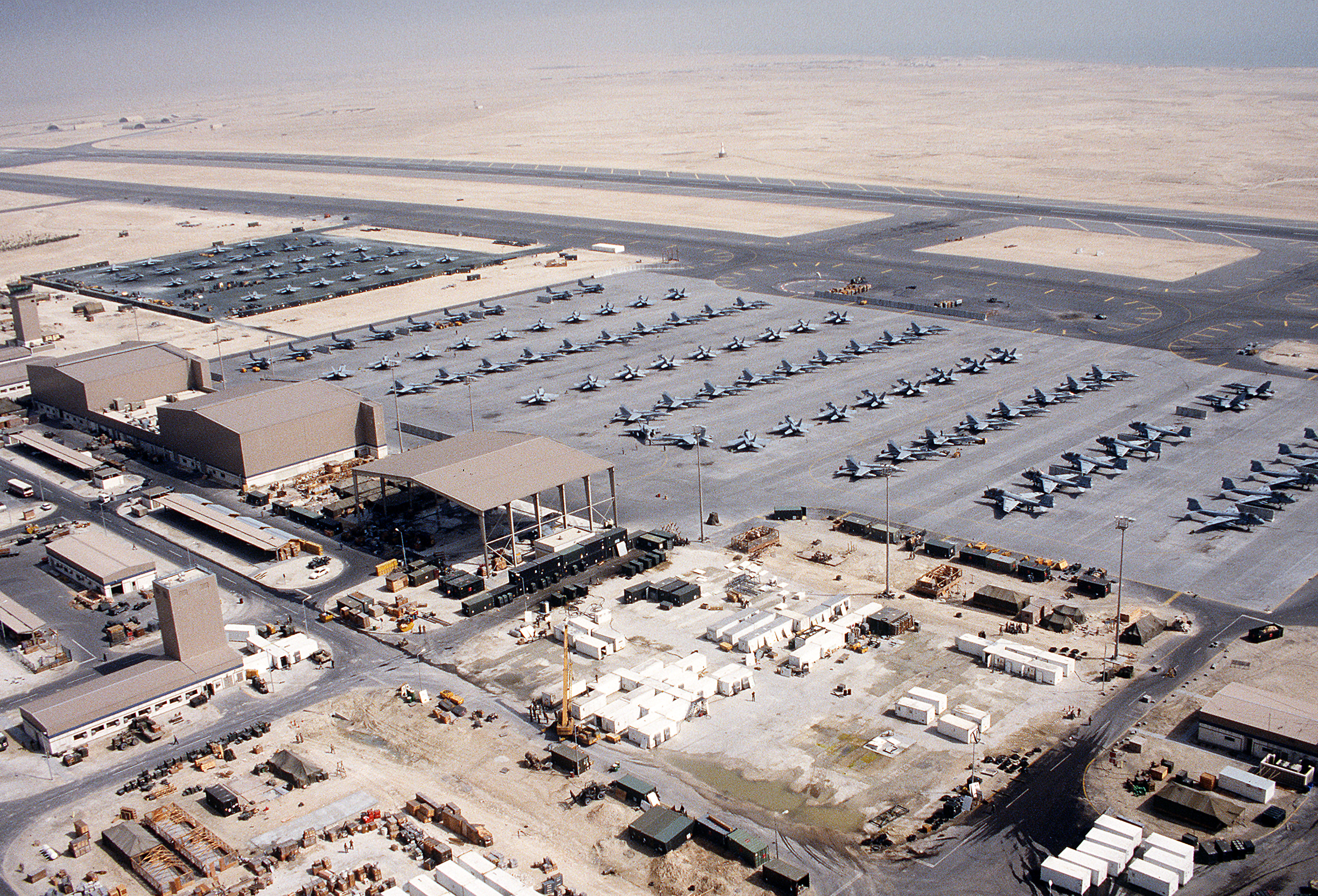
Iran said it struck U.S. military bases in Bahrain, including the Sheikh Isa Air Base, in response to recent American strikes [1].
This escalation marks a direct confrontation between the two nations in the Persian Gulf. The timing and location of these strikes threaten the stability of global shipping lanes and the security of U.S. personnel stationed in the region.
Iranian officials said the attacks were retaliation for U.S. strikes conducted near the Strait of Hormuz [1, 2]. The Strait of Hormuz is one of the world's most critical oil transit chokepoints, a region where tensions have spiked following a tanker attack [2].
Reports indicate that Iran has expanded its targeting to include various Gulf states [3]. In a further escalation of the conflict, Iranian sources said the Strait of Hormuz is now closed [3].
U.S. forces in Bahrain have not yet issued a detailed public assessment of the damage at Sheikh Isa Air Base. The facility serves as a primary hub for U.S. air operations in the Middle East, providing critical logistics, and surveillance capabilities for the Fifth Fleet.
The cycle of strikes began after the U.S. launched fresh operations against Iranian interests [2]. These actions followed a specific incident involving a tanker attack that prompted the initial U.S. military response [2].
Tehran continues to frame its military actions as a necessary defense of its sovereignty. The closure of the Strait remains a primary point of concern for international markets and energy security.
“Iran said it struck U.S. military bases in Bahrain”
The claim of strikes on the Sheikh Isa Air Base and the reported closure of the Strait of Hormuz signal a shift from proxy conflict to direct kinetic engagement. By targeting a primary U.S. air hub and threatening the world's most vital oil artery, Iran is utilizing economic and military leverage to force a change in U.S. regional policy.


