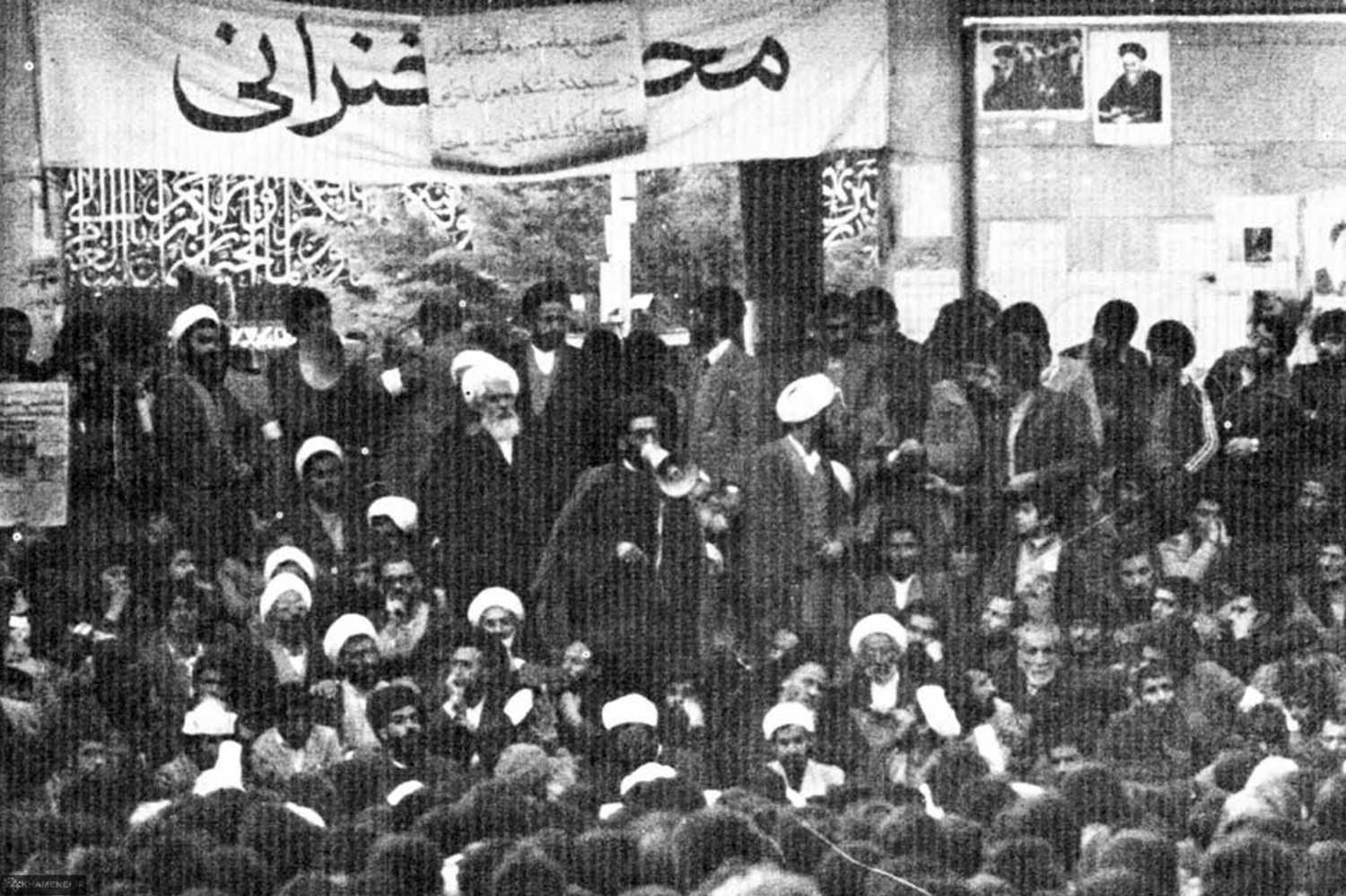
Iranian Supreme Leader Ali Khamenei said the pursuit of revenge for the former leader and other casualties of the last two wars will continue.
This statement signals a commitment to a long-term strategy of retaliation and accountability that could influence regional stability and diplomatic relations. By framing the goal as a necessity for justice, the leadership reinforces its ideological stance against those it deems responsible for previous losses.
Speaking via a broadcast on Al Jazeera Arabic, Khamenei said that the drive for revenge would remain active until it is fully realized. He focused on the need for justice for the victims and the necessity of holding the perpetrators accountable for their actions.
"The revenge for the blood of the former leader and the rest of the casualties of the last two wars will remain standing until it is achieved," Khamenei said.
He further emphasized that those who were responsible for the deaths would face consequences. "The officials responsible for killing them will be held accountable," Khamenei said.
The rhetoric underscores a persistent grievance within the Iranian leadership regarding previous conflicts. The call for accountability serves as a public mandate to ensure that the losses sustained in recent wars are not forgotten by the state or its military apparatus.
“The revenge for the blood of the former leader and the rest of the casualties of the last two wars will remain standing until it is achieved.”
The Supreme Leader's rhetoric reaffirms Iran's commitment to a policy of deterrence and retaliation. By explicitly linking the 'blood of the former leader' to the casualties of recent wars, the Iranian government is consolidating a narrative of martyrdom and state duty. This posture suggests that Tehran views the resolution of these grievances as a non-negotiable requirement for its national security and ideological legitimacy, potentially complicating future ceasefire or peace negotiations with regional adversaries.