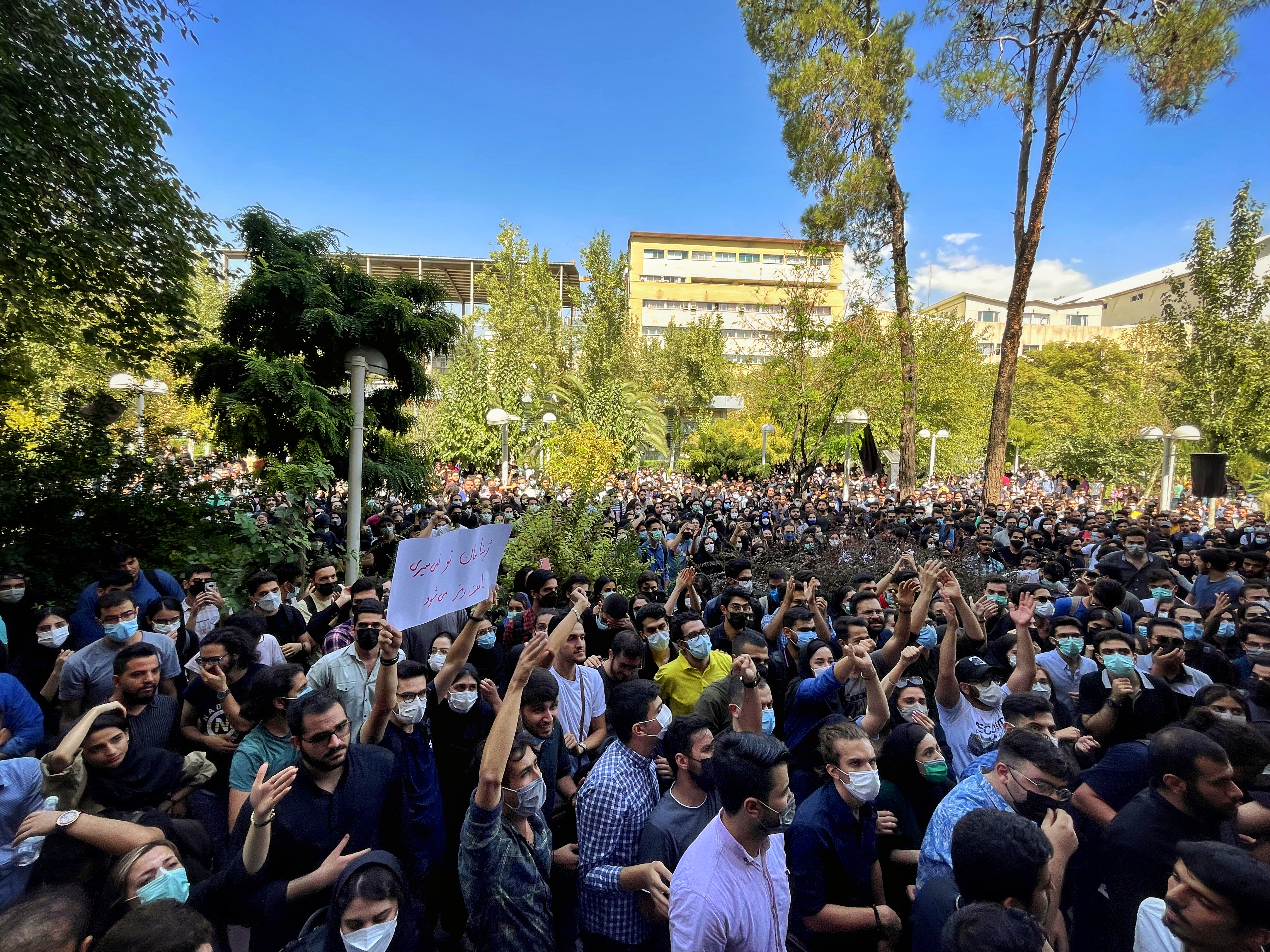
Iranian diaspora communities in Quebec and around the world are reporting mixed emotions as the U.S. and Iran negotiate a potential cease-fire.
The prospect of a peace deal follows six weeks of conflict [1] that has triggered significant economic and political turbulence. For those living abroad, the outcome of these negotiations could determine the future stability of their home country and the safety of family members remaining in Iran.
In Quebec, members of the Iranian community said they feel a combination of resolve and anxiety. While some view a cease-fire as a necessary step to prevent further loss of life, others worry that a premature deal might solidify the power of the current regime without addressing systemic issues.
Negin Shiraghaei, founder of the Azadi Network, said these complexities during a broadcast from London. She said that the diaspora remains deeply invested in the outcome of the war, balancing the hope for peace against the desire for fundamental political change.
Donald Trump also commented on the ongoing peace deal negotiations. His remarks add to the geopolitical tension as international observers monitor whether a diplomatic resolution is sustainable or merely a temporary pause in hostilities.
The conflict has created a volatile environment for Iranians globally, with many in Canada and the U.K. coordinating efforts to support those affected by the fighting. These communities are now navigating the emotional weight of a potential resolution that may not satisfy all parties involved.
“Iranian diaspora communities are feeling a mix of fear, relief, and resolve.”
The tension within the Iranian diaspora reflects a broader geopolitical struggle between the desire for immediate cessation of violence and the long-term goal of political transformation. A peace deal brokered by the U.S. may stop the active conflict, but it risks leaving the underlying causes of the instability unaddressed, potentially leading to future unrest.


