
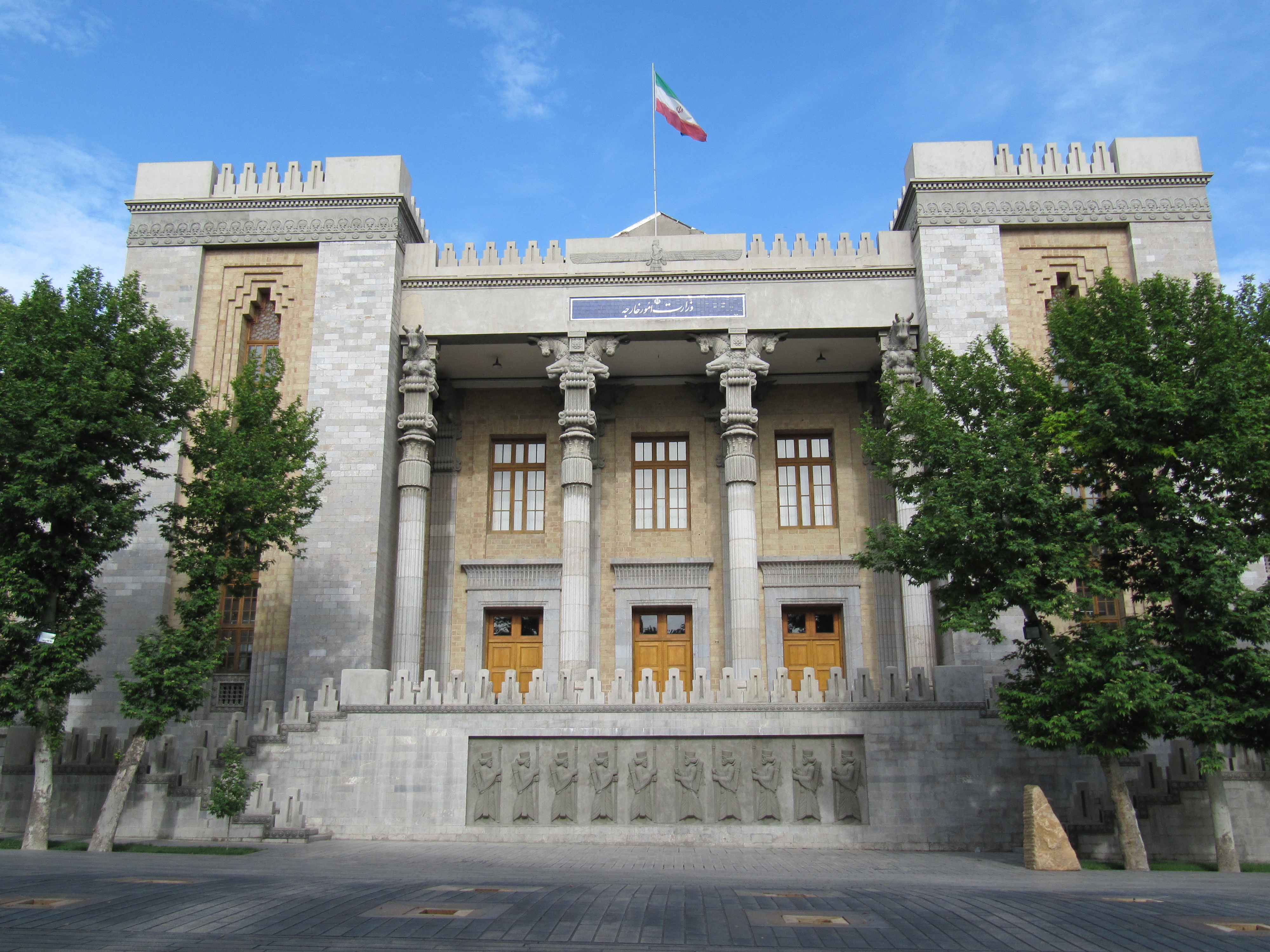
Iran's Ministry of Foreign Affairs said Wednesday that its armed forces will not hesitate to defend the country following alleged ceasefire violations [1].
The statement marks a significant escalation in rhetoric as Tehran threatens military action in response to what it describes as repeated truce violations by the U.S. and Israel. This shift suggests a potential collapse of current diplomatic efforts to stabilize the Gulf region.
Esmaeil Baghaei, the spokesperson for the ministry, said the armed forces will not hesitate to defend the country [2]. He said the U.S. committed a gross violation of the ceasefire through new air strikes [3]. These alleged strikes occurred within the past 48 hours [3].
The warnings follow overnight clashes in the Gulf region [4]. Baghaei said Iran is now reassessing the future of diplomatic negotiations intended to end the U.S.-Israeli war against the country [5].
Reports regarding the origin of the recent military activity remain contradictory. The Hans India reported that the U.S. launched air strikes on Iran [3]. However, CNN reported that Iran's Revolutionary Guards launched strikes at bases in Bahrain and Jordan [6].
Tehran has called on other countries in the region to take responsibility for halting these attacks [7]. The ministry continues to maintain that the U.S. has repeatedly violated the existing ceasefire agreements [3].
“"The armed forces will not hesitate to defend the country."”
The Iranian government's decision to reassess diplomatic negotiations indicates a pivot away from the current ceasefire framework. By linking military readiness to alleged U.S. air strikes, Tehran is signaling that it may prioritize kinetic defense over diplomacy if it perceives the truce as unilaterally broken. The conflicting reports on who initiated the overnight clashes suggest a high risk of miscalculation in the Gulf.


