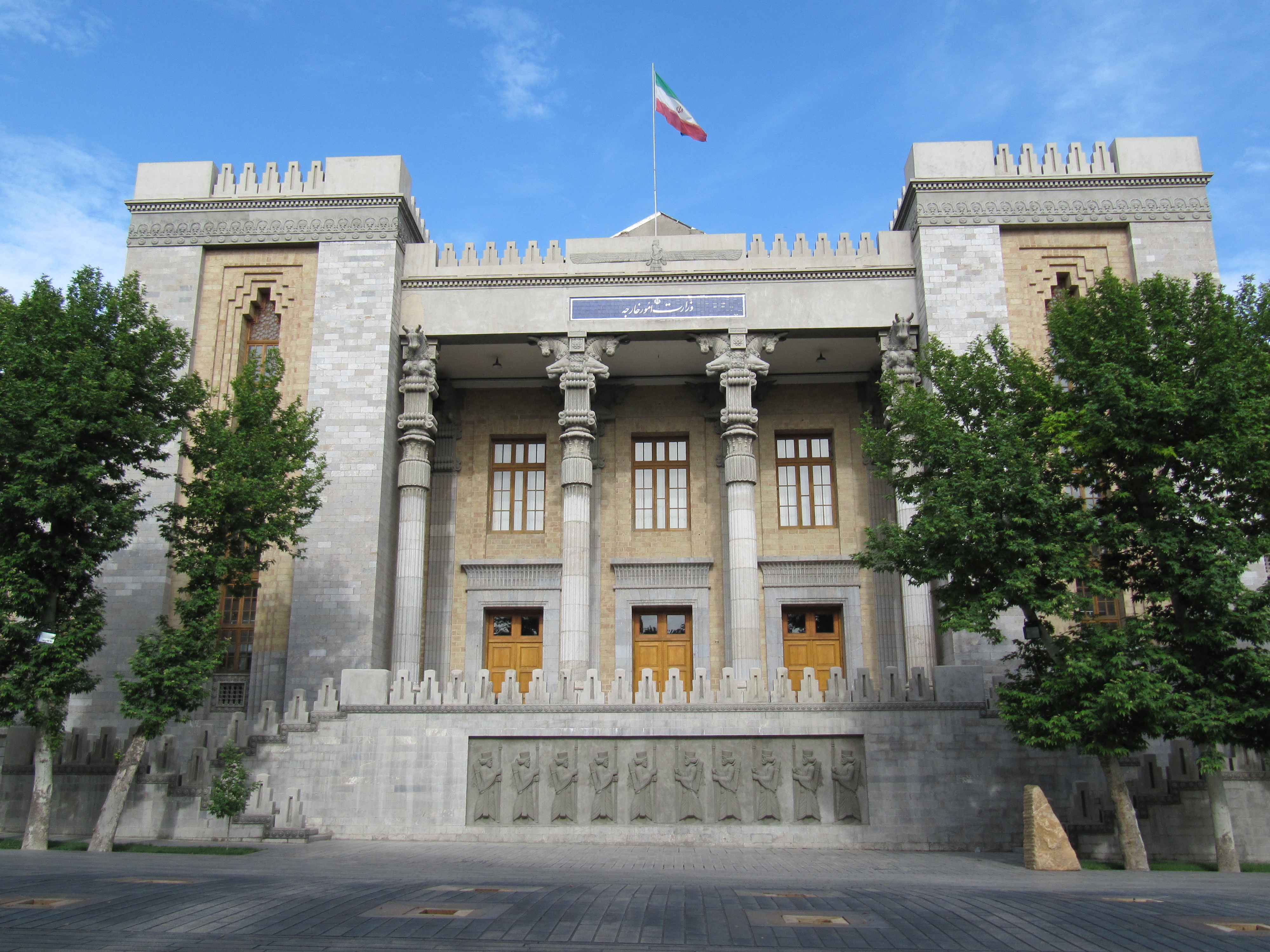
Iranian Foreign Minister Abbas Araghchi warned that any further U.S. military action could trigger an unrestricted, full-scale war.
This warning signals a critical escalation in rhetoric between Tehran and Washington, highlighting the volatility of security dynamics in West Asia. The statement emphasizes Iran's willingness to abandon restraint if it perceives a direct threat to its sovereignty.
Speaking during a press conference in New Delhi on May 15, 2024 [1], Araghchi said that Iran is prepared for a full-scale war if the United States attacks again [2]. He described a potential response as one of "zero restraint," suggesting that future Iranian military actions would not be limited in scope or intensity.
While issuing the warning, Araghchi sought to clarify Iran's strategic intentions regarding its nuclear program. He said, "Tehran never wanted nuclear weapons" [1]. This assertion aims to distance the Islamic Republic from accusations of pursuing a nuclear arsenal while maintaining its right to peaceful energy development.
Araghchi also addressed the role of India in the region's current instability. He said India should use its diplomatic influence to help de-escalate the conflict, noting that New Delhi can play a constructive role for peace in West Asia [2].
The Iranian minister's visit to India underscores a diplomatic effort to build a coalition of neutral powers to counter U.S. influence. By engaging with India, Tehran hopes to create a diplomatic buffer that may deter further American military intervention in the region.
“"We are prepared for a full‑scale war if the United States attacks again."”
This diplomatic push in New Delhi reflects Iran's strategy to leverage non-Western powers to mitigate U.S. military pressure. By framing the potential for a 'zero restraint' war alongside a denial of nuclear ambitions, Tehran is attempting to present itself as a rational actor being pushed toward escalation by external aggression.


