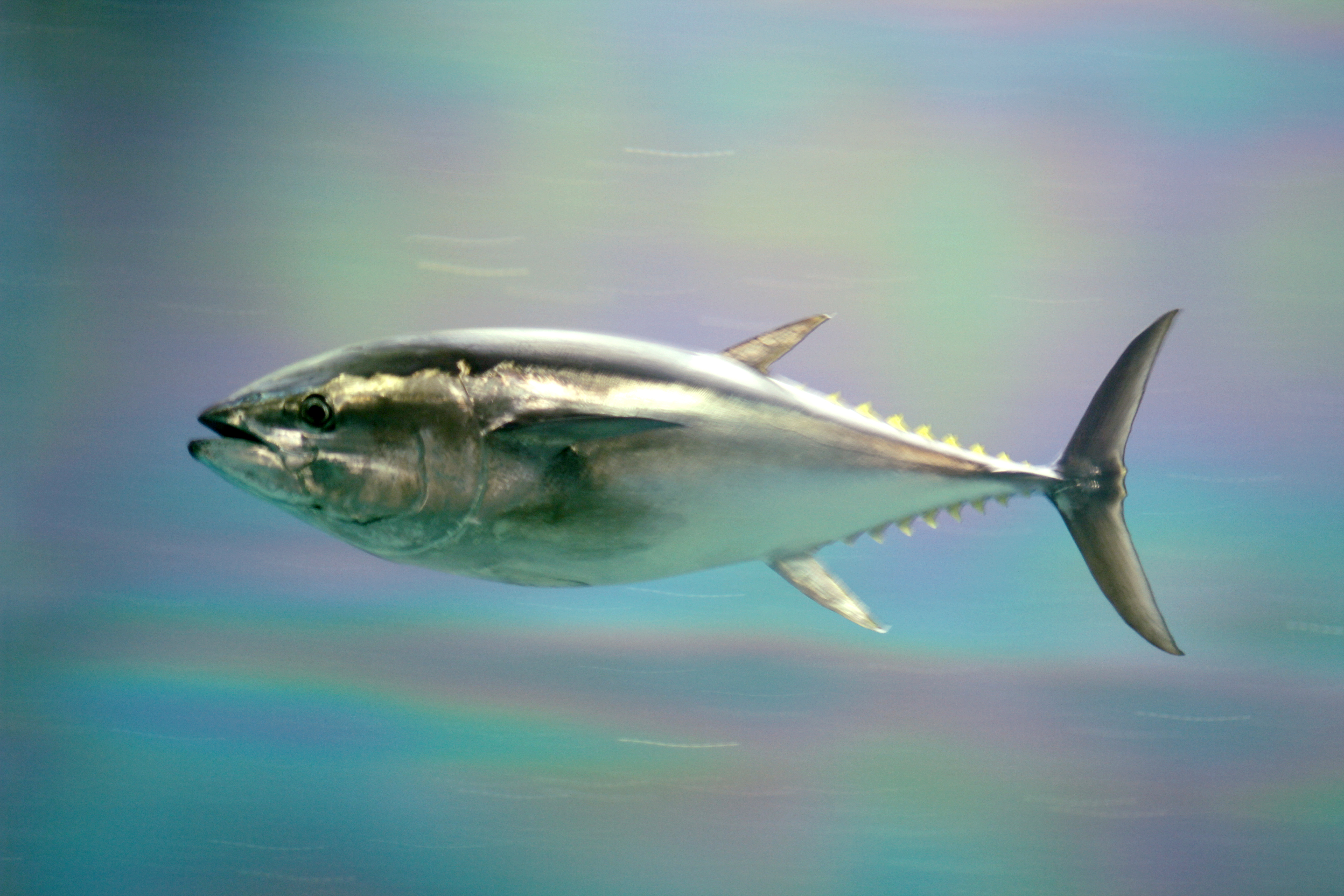
Japanese fishers are releasing massive quantities of Pacific bluefin tuna back into the ocean after hitting government-mandated catch limits [1], [2].
This situation highlights a growing conflict between strict conservation quotas and the unpredictable nature of marine migrations. While the abundance of fish suggests a recovering population, the rigid limits prevent fishers from capitalizing on the windfall, turning a biological success into a financial burden.
In Hakodate, Hokkaido, fishers reported an estimated catch of more than 1,000 tuna [1]. Some of the fish captured in fixed nets weighed over 200 kilograms [1]. Despite the volume, regulations require that any fish caught beyond the established quota must be released to protect the species [2], [3].
Similar issues have emerged in other regions. In Himi City, Ishikawa Prefecture, fishers reached their catch limits during June 2026 [3], [4]. This forced them to release tuna that had already been caught in their nets to avoid legal penalties.
For the fishers, the process of catching and releasing such large animals is labor-intensive and offers no reward. A fixed-net fisher in Hakodate said the situation was a "disaster" [1].
Fixed-net fishing involves stationary equipment, meaning fishers cannot simply move their nets to avoid the tuna. When the species arrives in massive numbers, the tuna can crowd out other commercially viable fish or damage the equipment. Because the quota is a hard cap, the fishers are legally obligated to return the tuna to the sea regardless of the effort required to do so [2], [3].
“"disaster"”
The current crisis illustrates the friction between 'hard' quota systems and the fluidity of ocean ecosystems. While the surge in bluefin tuna populations indicates that conservation measures are working, the inability to adjust quotas in real-time creates economic instability for coastal communities. This may lead to future calls for more flexible, data-driven management systems that allow for opportunistic harvesting during unexpected population spikes.
'%2F%3E%0A%20%20%20%20%3Crect%20width%3D'1600'%20height%3D'900'%20fill%3D'url(%23v)'%2F%3E%0A%20%20%20%20%3Cg%20opacity%3D'0.08'%20fill%3D'%23ffffff'%3E%0A%20%20%20%20%20%20%3Ccircle%20cx%3D'1420'%20cy%3D'180'%20r%3D'220'%2F%3E%0A%20%20%20%20%20%20%3Ccircle%20cx%3D'1500'%20cy%3D'760'%20r%3D'120'%2F%3E%0A%20%20%20%20%3C%2Fg%3E%0A%20%20%20%20%3Cline%20x1%3D'80'%20y1%3D'172'%20x2%3D'220'%20y2%3D'172'%20stroke%3D'%23ffffff'%20stroke-width%3D'3'%20stroke-opacity%3D'0.6'%2F%3E%0A%20%20%20%20%3Ctext%20x%3D'80'%20y%3D'140'%20font-family%3D'Inter%2C%20-apple-system%2C%20Helvetica%2C%20sans-serif'%20font-weight%3D'700'%20font-size%3D'28'%20fill%3D'%23ffffff'%20letter-spacing%3D'6'%3EHANNA%20%C2%B7%20NEWS%3C%2Ftext%3E%0A%20%20%20%20%3Ctext%20x%3D'80'%20y%3D'230'%20font-family%3D'Inter%2C%20-apple-system%2C%20Helvetica%2C%20sans-serif'%20font-weight%3D'600'%20font-size%3D'40'%20fill%3D'%23ffffffb3'%20letter-spacing%3D'4'%3EWORLD%3C%2Ftext%3E%0A%20%20%20%20%3Ctext%20x%3D'80'%20y%3D'694'%20font-family%3D'Playfair%20Display%2C%20Georgia%2C%20serif'%20font-weight%3D'800'%20font-size%3D'110'%20fill%3D'%23ffffff'%20letter-spacing%3D'-1'%3EKOSPI%20Closes%20Above%209%2C000%3C%2Ftext%3E%3Ctext%20x%3D'80'%20y%3D'820'%20font-family%3D'Playfair%20Display%2C%20Georgia%2C%20serif'%20font-weight%3D'800'%20font-size%3D'110'%20fill%3D'%23ffffff'%20letter-spacing%3D'-1'%3EPoints%20Amid%20High%20Volatility%3C%2Ftext%3E%0A%20%20%20%20%3Ctext%20x%3D'80'%20y%3D'870'%20font-family%3D'Inter%2C%20-apple-system%2C%20Helvetica%2C%20sans-serif'%20font-weight%3D'500'%20font-size%3D'22'%20fill%3D'%23ffffff66'%20letter-spacing%3D'2'%3Enews.hanna-ai.com%3C%2Ftext%3E%0A%20%20%3C%2Fsvg%3E)

