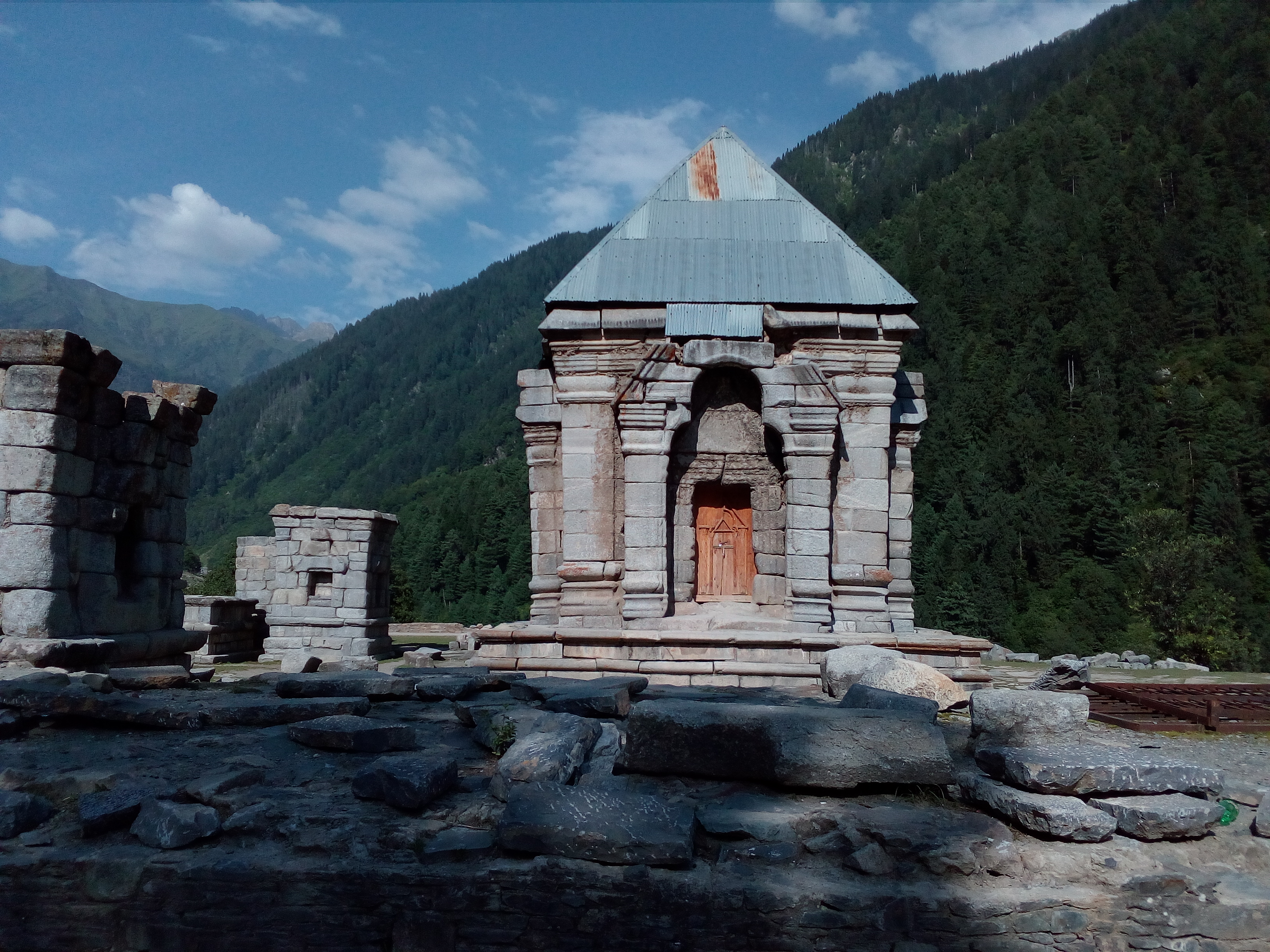
Japan has designated a portion of the Fujiwara Palace archaeological site in Kashihara City as a national special historic site.
The move elevates the protection of the ruins and supports a broader bid for international recognition. The site represents the central area of Fujiwara-kyō, which was Japan's first capital designed on a grid system [1].
Officials said the layout of the palace served as a prototype for later capitals, including Heijō-kyō and Heian-kyō [1]. This architectural influence provides the site with outstanding cultural significance, marking a transition in how Japanese urban centers were constructed.
The designation comes as the site awaits a decision regarding its status as a UNESCO World Cultural Heritage site. The broader nomination, titled "Asuka-Fujiwara Palace Cities," consists of 19 component sites [2].
UNESCO's advisory panel is expected to issue its recommendation by early June 2026 [3]. The Japanese government expects the whole site to be inscribed on the World Cultural Heritage List following this review process.
Located in Nara Prefecture, the ruins offer a physical record of the administrative and royal structures of the era. The current designation as a national special historic site ensures more stringent preservation measures for the archaeological remains in Kashihara City [1].
“The site represents the central area of Fujiwara-kyō, which was Japan's first capital designed on a grid system.”
The dual track of national designation and UNESCO nomination underscores Japan's effort to institutionalize the preservation of its early urban planning. By securing the 'special historic site' status first, the government strengthens the site's management framework, which is often a prerequisite for meeting UNESCO's strict criteria for authenticity and integrity.

'%2F%3E%0A%20%20%20%20%3Crect%20width%3D'1600'%20height%3D'900'%20fill%3D'url(%23v)'%2F%3E%0A%20%20%20%20%3Cg%20opacity%3D'0.08'%20fill%3D'%23ffffff'%3E%0A%20%20%20%20%20%20%3Ccircle%20cx%3D'1420'%20cy%3D'180'%20r%3D'220'%2F%3E%0A%20%20%20%20%20%20%3Ccircle%20cx%3D'1500'%20cy%3D'760'%20r%3D'120'%2F%3E%0A%20%20%20%20%3C%2Fg%3E%0A%20%20%20%20%3Cline%20x1%3D'80'%20y1%3D'172'%20x2%3D'220'%20y2%3D'172'%20stroke%3D'%23ffffff'%20stroke-width%3D'3'%20stroke-opacity%3D'0.6'%2F%3E%0A%20%20%20%20%3Ctext%20x%3D'80'%20y%3D'140'%20font-family%3D'Inter%2C%20-apple-system%2C%20Helvetica%2C%20sans-serif'%20font-weight%3D'700'%20font-size%3D'28'%20fill%3D'%23ffffff'%20letter-spacing%3D'6'%3EHANNA%20%C2%B7%20NEWS%3C%2Ftext%3E%0A%20%20%20%20%3Ctext%20x%3D'80'%20y%3D'230'%20font-family%3D'Inter%2C%20-apple-system%2C%20Helvetica%2C%20sans-serif'%20font-weight%3D'600'%20font-size%3D'40'%20fill%3D'%23ffffffb3'%20letter-spacing%3D'4'%3EWORLD%3C%2Ftext%3E%0A%20%20%20%20%3Ctext%20x%3D'80'%20y%3D'694'%20font-family%3D'Playfair%20Display%2C%20Georgia%2C%20serif'%20font-weight%3D'800'%20font-size%3D'110'%20fill%3D'%23ffffff'%20letter-spacing%3D'-1'%3EKOSPI%20Closes%20Above%209%2C000%3C%2Ftext%3E%3Ctext%20x%3D'80'%20y%3D'820'%20font-family%3D'Playfair%20Display%2C%20Georgia%2C%20serif'%20font-weight%3D'800'%20font-size%3D'110'%20fill%3D'%23ffffff'%20letter-spacing%3D'-1'%3EPoints%20Amid%20High%20Volatility%3C%2Ftext%3E%0A%20%20%20%20%3Ctext%20x%3D'80'%20y%3D'870'%20font-family%3D'Inter%2C%20-apple-system%2C%20Helvetica%2C%20sans-serif'%20font-weight%3D'500'%20font-size%3D'22'%20fill%3D'%23ffffff66'%20letter-spacing%3D'2'%3Enews.hanna-ai.com%3C%2Ftext%3E%0A%20%20%3C%2Fsvg%3E)
