
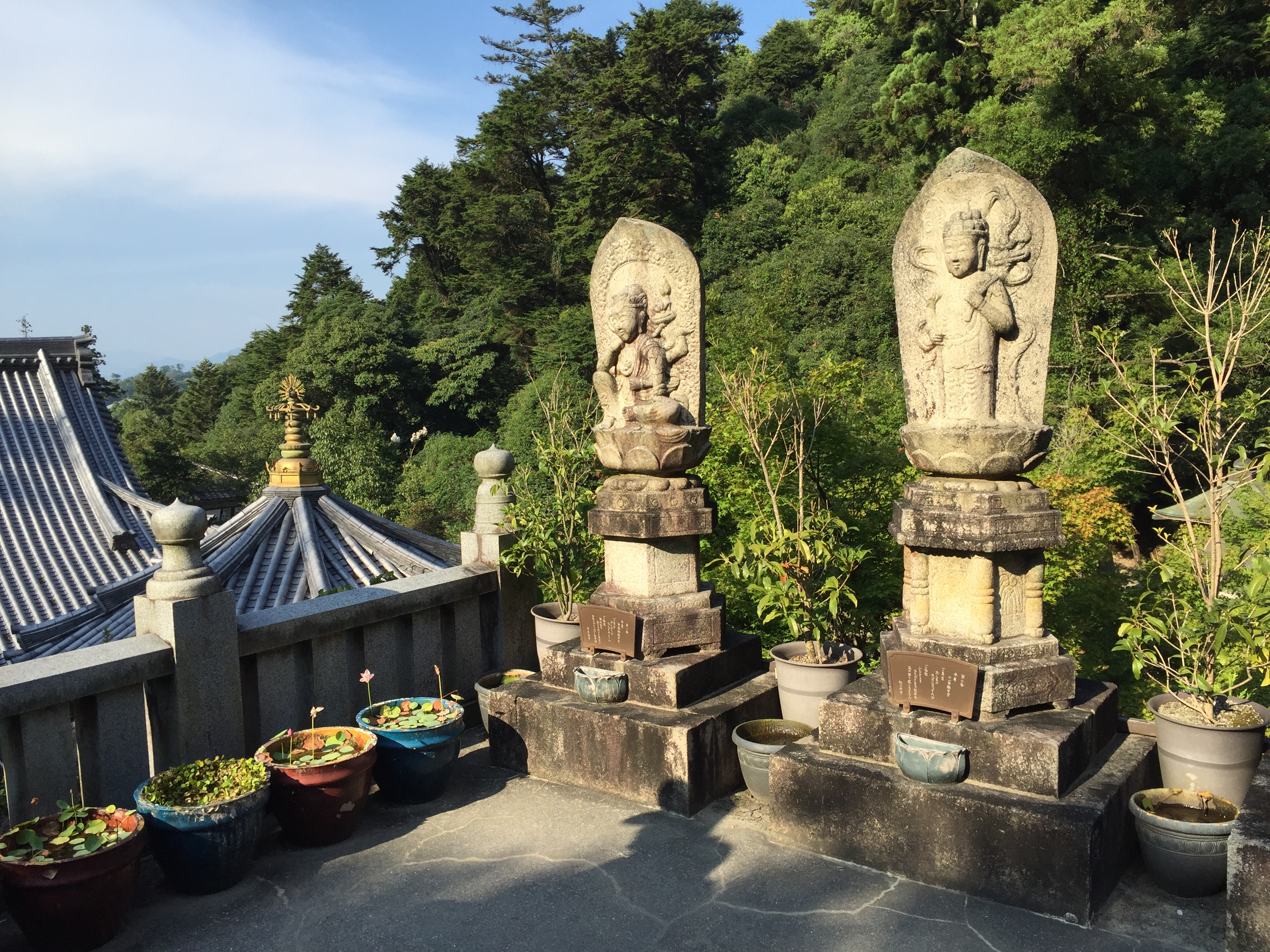
A Buddhist hall housing an ancient "eternal flame" burned to the ground on Miyajima Island in western Japan this week [1, 3].
The destruction of the Reikado Hall represents a significant loss to a site linked to the Buddhist saint Kukai. However, the survival of the flame ensures the continuity of a spiritual tradition that has lasted for more than a millennium [1, 2].
The fire occurred on Wednesday morning, May 20, 2026 [2, 5]. The blaze broke out at the Daishoin Temple, located in Hatsukaichi city within the Hiroshima Prefecture [2, 3].
Emergency responders reached the scene around 8:30 a.m. and fought the fire for several hours [2]. Despite the intensity of the flames, which destroyed the structure, the sacred fire was successfully rescued. A Buddhist spiritual leader said the flame, which leaders say has been continuously lit for more than 1,200 years, was salvaged after the blaze [1].
Other reports on the age of the flame vary, with some stating it has been lit for more than 1,000 years [4]. The Reikado Hall was the primary structure sheltering this fire, and it was completely lost in the incident [3, 4].
Local authorities have not yet determined the cause of the fire [2]. A police spokesperson said firefighters arrived at around 8:30 a.m. and fought the blaze for several hours [2]. An investigation into the origin of the fire remains ongoing [2].
“The hall housing the eternal flame burned to the ground on Miyajima Island.”
The loss of the Reikado Hall is a physical blow to the architectural heritage of the Daishoin Temple, but the rescue of the eternal flame prevents a total spiritual rupture. Because the flame is tied to the legacy of saint Kukai, its preservation allows the temple to maintain its religious continuity while it begins the process of rebuilding the physical structure.


