
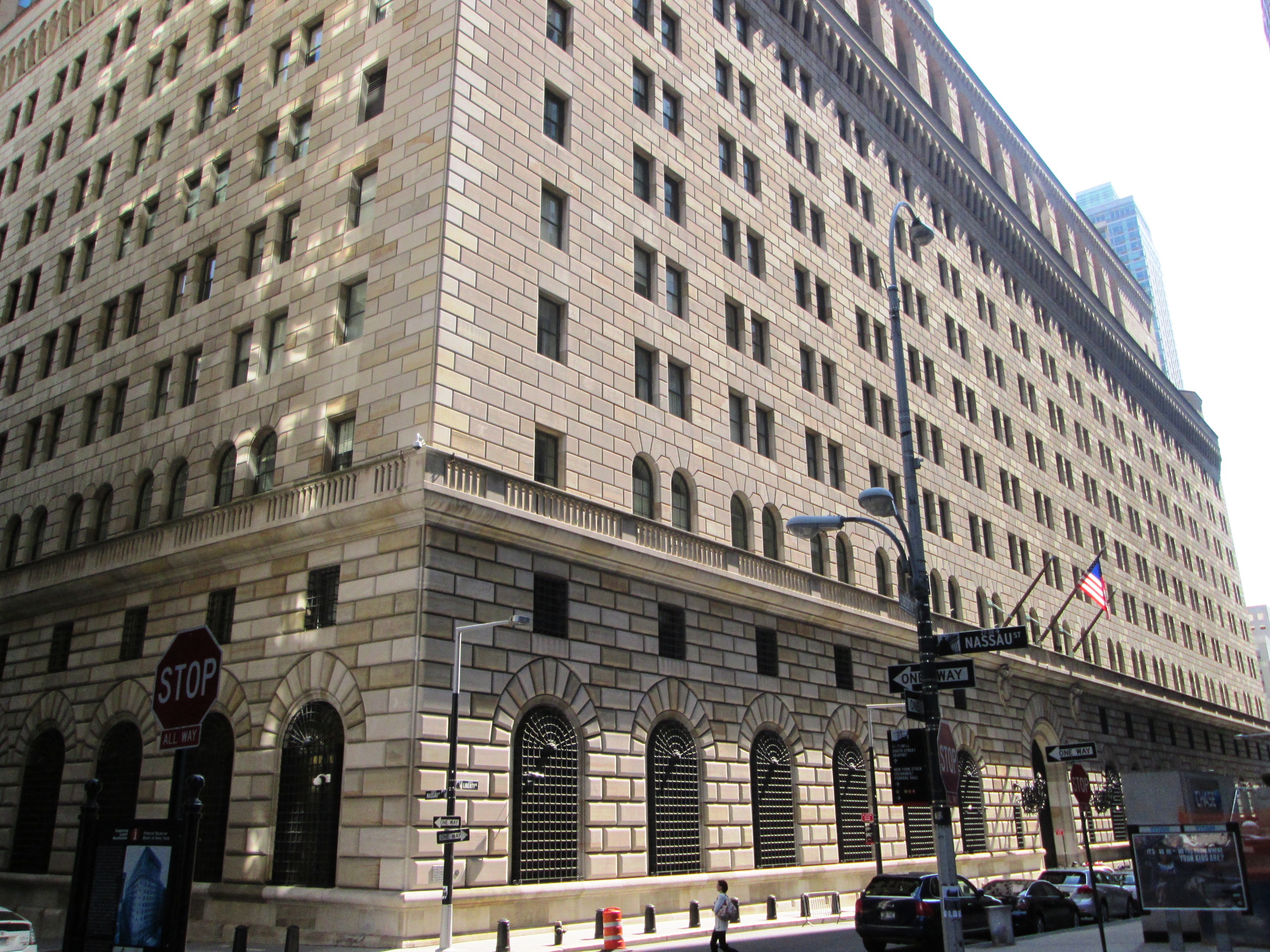
Kevin Warsh was confirmed and sworn in as the 17th Chair of the Federal Reserve on May 13, 2026 [1], [2].
The appointment comes at a critical juncture for the U.S. economy. Warsh must now balance the Federal Reserve's dual mandate of maintaining price stability and maximum employment while navigating persistent inflation.
Warsh assumes leadership of the Federal Reserve Board in Washington, D.C. [2], [3]. His tenure begins under significant political scrutiny, as President Trump has expressed a desire for the central bank to lower interest rates [1], [3]. This creates a tension between the administration's goals and the traditional independence of the Fed.
Market analysts are divided on how Warsh will handle this pressure. Randall Kroszner said he expects Warsh to act independently and remain focused on the official mandate of the institution [1]. However, Richard Fisher said the market would likely react negatively if Warsh appears to act on behalf of President Trump rather than economic data [1].
The new chair faces a landscape of sticky inflation that has complicated previous efforts to stabilize the economy [1], [3]. To fulfill the dual mandate, Warsh will need to determine if rate cuts are appropriate, or if higher borrowing costs are necessary to cool prices further [1], [3].
Warsh's confirmation marks a shift in leadership for the most powerful economic institution in the world. His ability to resist political influence while addressing inflation will likely define his early months in office [1], [2].
“Kevin Warsh was confirmed and sworn in as the 17th Chair of the Federal Reserve”
The appointment of Kevin Warsh places the Federal Reserve at the center of a struggle between monetary independence and executive preference. If Warsh prioritizes lower rates to satisfy the administration over the fight against sticky inflation, it could risk undermining the Fed's credibility with global markets and potentially fuel further price instability.


