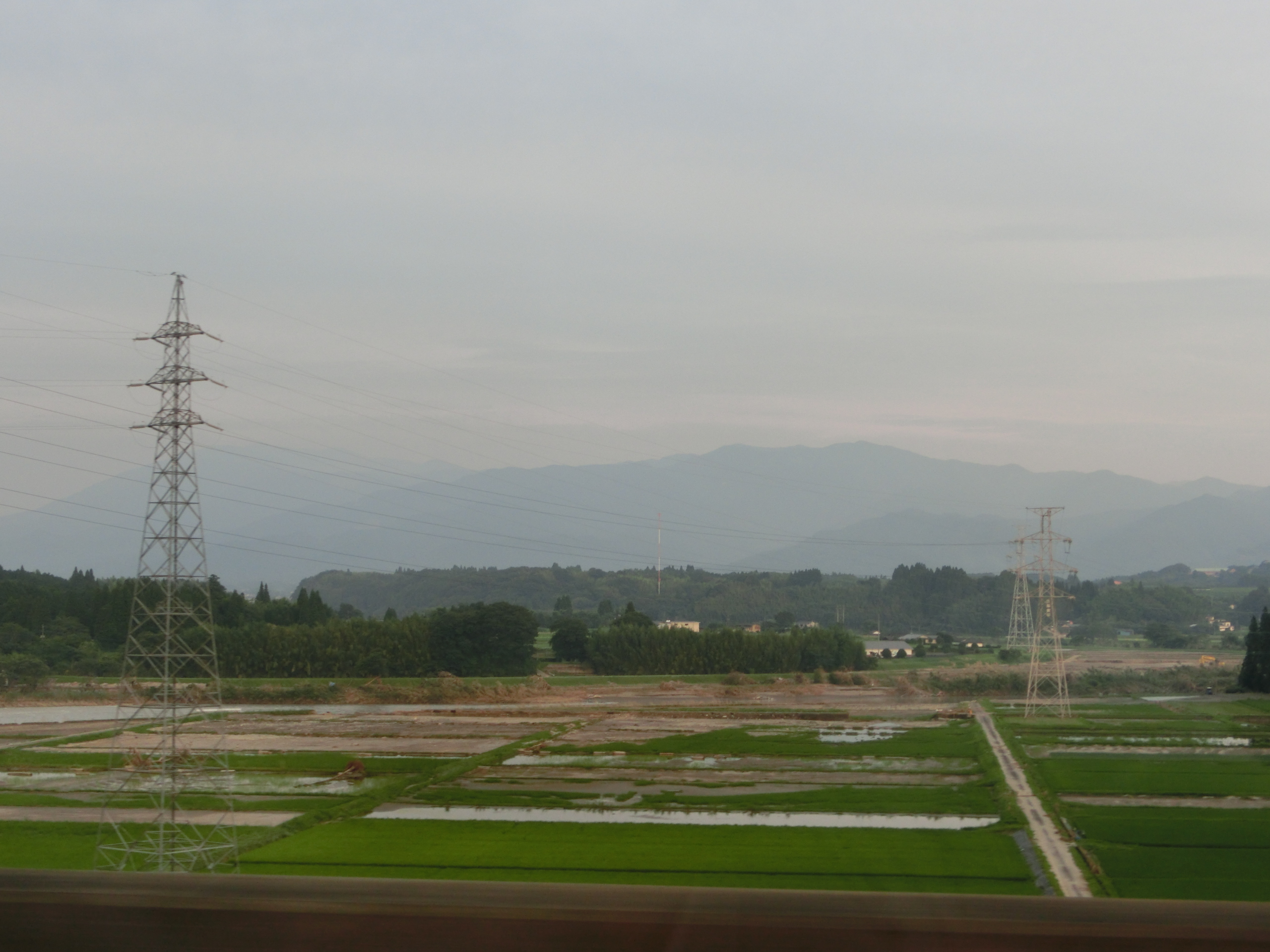
A linear precipitation zone caused the Tsukadari River to overflow in Minami-Oguni, flooding a riverside inn early Thursday [1].
This event highlights the immediate danger of sudden, intense rainfall in the Aso region, where saturated ground increases the risk of landslides and flash floods.
The heavy rain began shortly after 3 a.m. local time, with rainfall intensity reaching 73.5 mm per hour in Minami-Oguni [1]. In some locations, total rainfall since the start of the event exceeded 200 mm [1]. The surge caused the Tsukadari River to breach its banks, sending water into nearby businesses.
At the Hokakakan inn, water levels rose to approximately 40 cm above the floor [1]. Yoshiharu Gondo, the owner of the inn, said the water rose suddenly and described the challenge of cleaning the aftermath.
"The [water] increased from around 3 a.m. It is about 40 centimeters above the floor," Gondo said. "I hope we can get the mud out from under the floor, but I do not know how much we can remove" [1].
The Japan Meteorological Agency issued warnings as the rain continued into the early morning hours. A reporter for TBS NEWS DIG said that strong winds and heavy rain were also affecting Kumamoto City [1].
Authorities have warned residents to remain vigilant regarding potential landslides, and further flooding, as the effects of the seasonal rain front persist across the prefecture [1].
“Rainfall intensity reaching 73.5 mm per hour in Minami-Oguni”
The occurrence of a linear precipitation zone—a band of cumulonimbus clouds that produce concentrated, torrential rain—represents a significant meteorological threat in Japan's mountainous regions. When such systems stall over a specific area, they can cause rapid river swelling and soil instability, making traditional flood defenses insufficient and increasing the urgency of real-time evacuation warnings.


