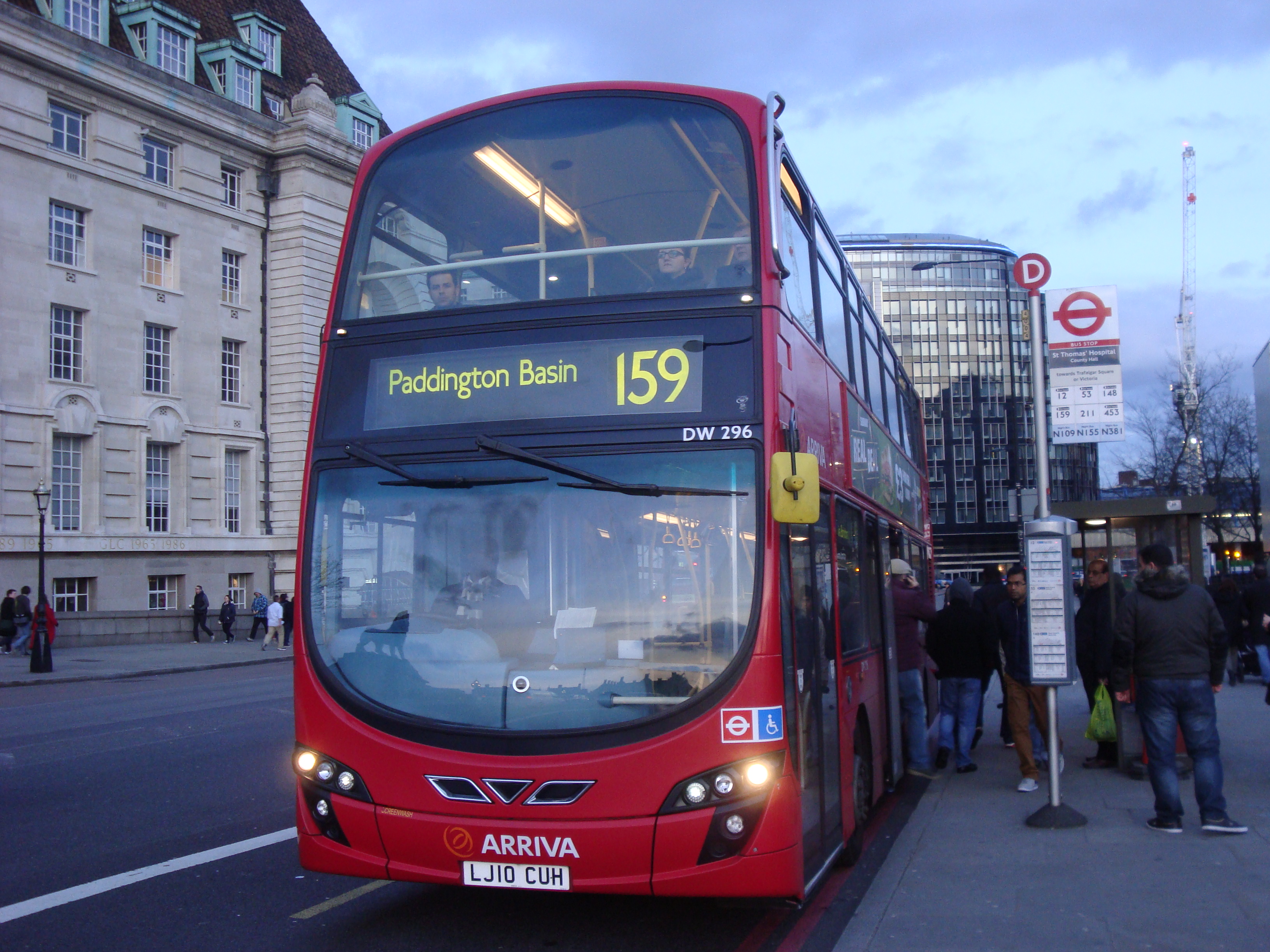
Bus ridership in London has fallen 22.8 per cent [1] compared to its peak levels recorded in 2015.
The decline suggests a shifting pattern in how residents navigate the capital, potentially threatening the financial stability of Transport for London (TfL) as it manages operational costs.
Data from TfL indicates that commuters are deserting the bus network at a rate that has prompted calls for Sadiq Khan and transport officials to take action [1]. While the specific reasons for the exodus are not detailed in the current data, the trend reflects a broader struggle to return ridership to pre-2015 levels.
Financial pressures remain a focal point for the city's transit system. Sadiq Khan said pay-as-you-go fares account for about 80 per cent [2] of Tube journeys and 74 per cent [2] of bus journeys. He said those specific fares would remain unchanged.
However, other costs have shifted. Khan said single fares on the London Underground would rise by 10p or 20p [3], contributing to an overall fare increase of around 5.8 per cent [3]. These adjustments occurred as the city attempted to balance the budget amid fluctuating demand.
The disparity between the stability of pay-as-you-go pricing and the rise in single fares highlights the complexity of maintaining a public network during a period of declining use. With bus demand remaining significantly lower than a decade ago, the city faces a critical juncture in how it subsidizes and promotes surface transport.
“Bus demand in the capital is down 22.8 per cent on its peak in 2015”
The significant drop in bus ridership indicates that London's transit habits have fundamentally changed since 2015. Because TfL relies heavily on fare revenue to operate, a sustained 22.8 per cent decrease in demand creates a structural deficit that cannot be solved by minor fare increases alone. This may force the city to either reduce service frequency or seek higher levels of government subsidy to maintain the network.


