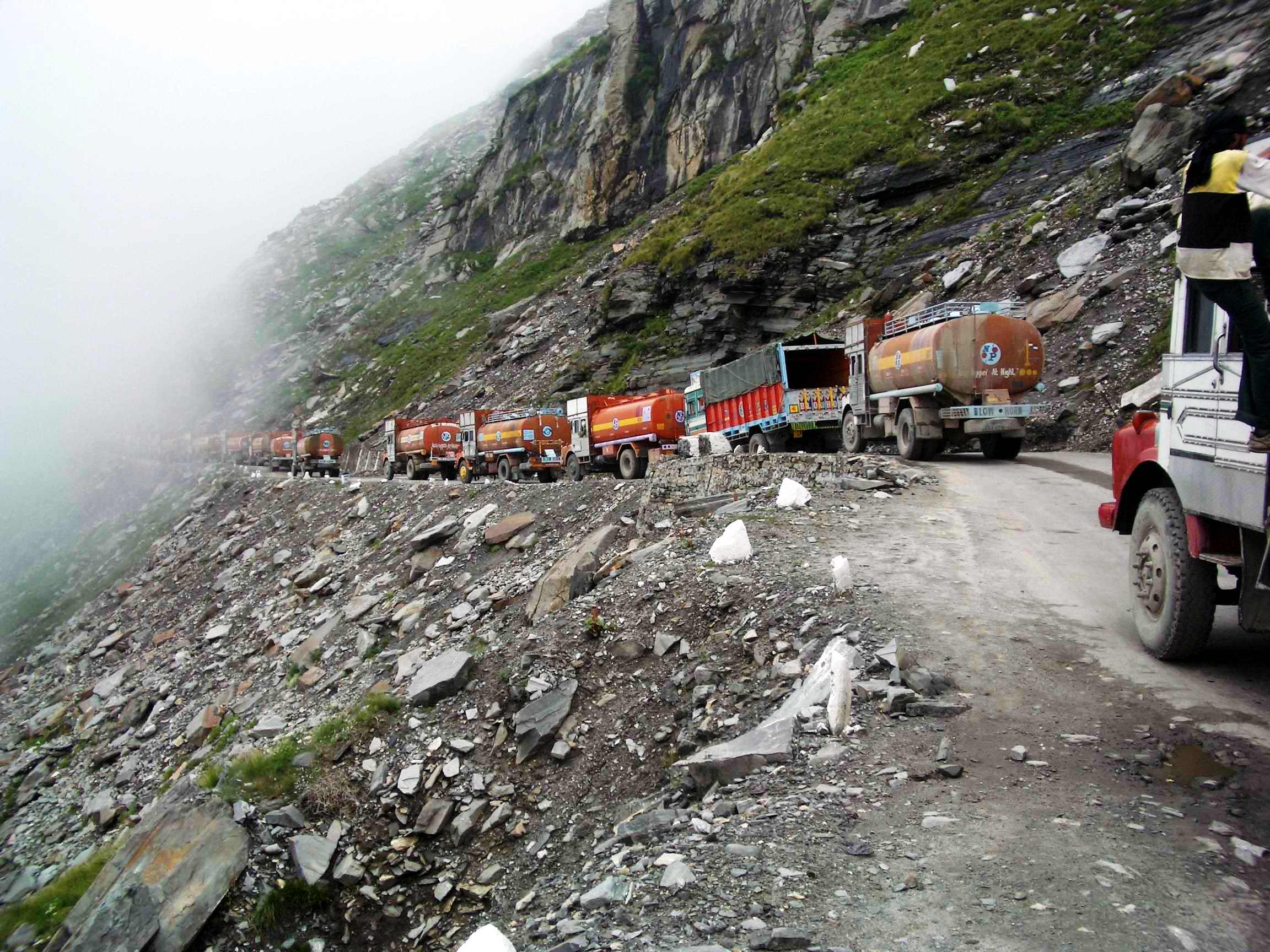
A massive surge of tourists fleeing a heatwave caused a 20-km traffic jam in Manali on Saturday night, May 2, 2026 [1].
The congestion highlights the vulnerability of mountain infrastructure when sudden spikes in tourism coincide with extreme weather patterns in the plains. As travelers seek relief from rising temperatures, the limited capacity of Himachal Pradesh's roads often leads to systemic failures in traffic management.
The gridlock affected several key routes, including those between Manali and Patlikuhal, as well as the Solang Valley [1, 2]. Local traffic police were deployed to manage the influx of vehicles, but many travelers remained stranded for several hours [3].
Reports on the primary cause of the congestion vary. Some accounts attribute the gridlock to the sheer volume of tourists escaping the heatwave [3, 4]. Other reports indicate that heavy snowfall in the region contributed to the 20-km standstill [1].
The rush to the mountains is a recurring seasonal trend, but the intensity of the recent heatwave accelerated the movement of people toward higher altitudes. This influx puts significant pressure on local resources and road safety in the Solang Valley and surrounding areas [4].
Authorities said that traffic control measures are necessary to prevent such prolonged delays. The combination of narrow mountain passes and a sudden increase in vehicle numbers created a bottleneck that paralyzed movement for a significant portion of the weekend [3].
“A massive surge of tourists fleeing a heatwave caused a 20-km traffic jam in Manali”
This incident underscores the growing tension between climate-driven migration and regional infrastructure. As heatwaves become more intense in the plains, 'climate escapes' to hill stations create unsustainable peaks in demand that exceed the physical capacity of mountain roads, increasing the risk of accidents and economic disruption for local residents.