
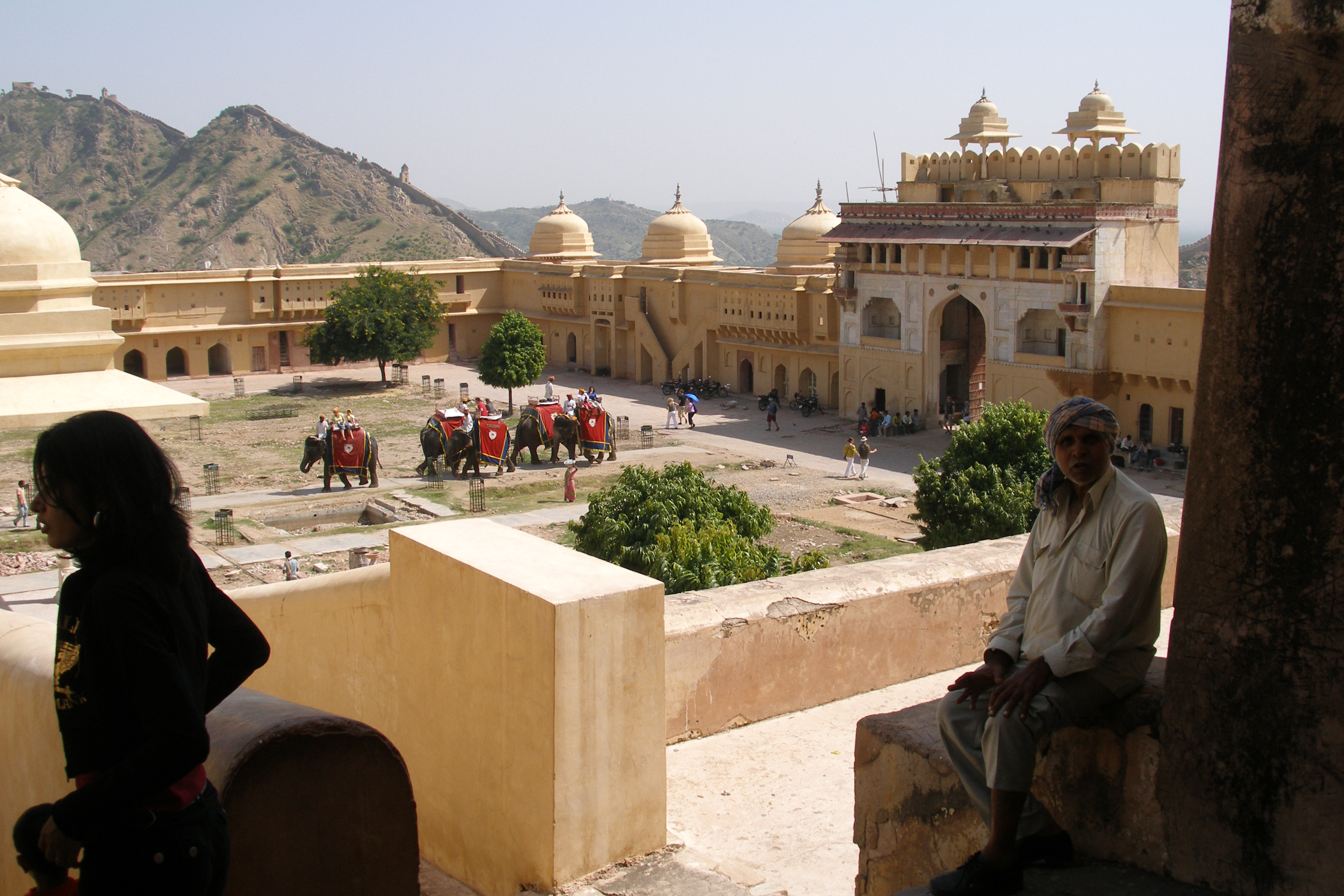
U.S. Senator Marco Rubio and his wife visited the Taj Mahal in Agra and Amer Fort in Jaipur on Monday [1].
The excursion is part of a larger diplomatic effort to strengthen relations between the U.S. and India. This visit precedes high-level strategic discussions intended to align the two nations on regional security and economic cooperation.
Rubio is currently on a four-day trip to India [1]. His itinerary includes meetings with Indian officials, including External Affairs Minister S. Jaishankar [2, 3]. The trip serves as Rubio's maiden visit to the country, blending cultural diplomacy with formal state business.
While in Agra, Rubio toured the Taj Mahal, one of the world's most recognized landmarks. He subsequently traveled to Jaipur to visit the Amer Fort. These stops are designed to signal cultural respect and a commitment to bilateral ties beyond formal policy meetings.
The diplomatic schedule culminates with the Quad foreign ministers’ meeting, which is scheduled for May 26 [1]. The Quad, consisting of the U.S., India, Japan, and Australia, focuses on maintaining a free and open Indo-Pacific region.
Rubio's presence in India highlights the ongoing effort to solidify a strategic partnership. By engaging with both government leaders and visiting national heritage sites, the U.S. aims to deepen the personal and political bonds with Indian leadership [2, 3].
“Rubio is currently on a four-day trip to India.”
The integration of cultural tourism with high-level diplomatic meetings is a standard tool of soft power. By visiting Agra and Jaipur before the Quad meeting, Rubio is signaling a holistic approach to the U.S.-India relationship, attempting to build rapport and visibility before tackling the complex geopolitical challenges of the Indo-Pacific region.


