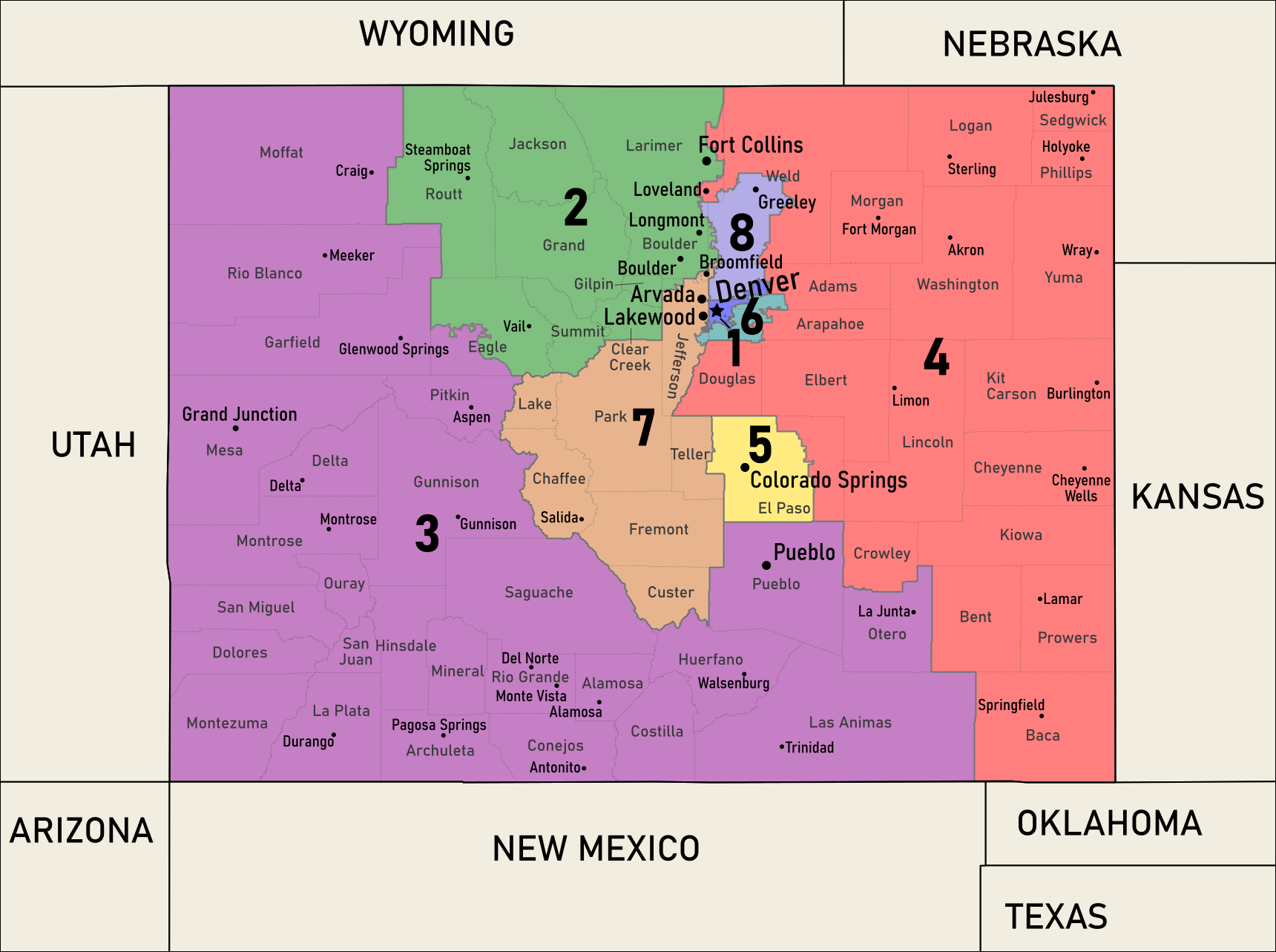
Democratic socialist Melat Kiros defeated incumbent Rep. Diana DeGette (D-CO) in the Democratic primary for Colorado’s 1st congressional district on Tuesday [2].
The victory marks a significant shift in the political landscape of Denver, signaling a growing appetite for progressive platforms over long-standing establishment leadership.
Kiros ran on a democratic-socialist platform to challenge DeGette, who had served 15 terms in the U.S. House [1]. The primary election took place on July 1, 2026 [2]. The result removes one of the most tenured members of the House from her seat in the Colorado delegation.
Local analysts said the win is part of a broader momentum for democratic socialists who have been challenging establishment incumbents across the state. The shift in the 1st district reflects a desire among voters for a more aggressive progressive agenda, one that prioritizes systemic change over incremental policy shifts.
DeGette's tenure had spanned decades of representation for the Denver area. However, the primary results suggest that the Democratic base in the district has moved toward the left of the party's national center. Kiros' victory is seen as a mandate for the progressive policies she championed throughout her campaign.
While the general election remains, the primary outcome ensures that a democratic socialist will lead the Democratic ticket for this seat. This transition follows a series of similar challenges to establishment figures in other Colorado districts, illustrating a trend of ideological realignment within the state's party structure.
“Democratic socialist Melat Kiros defeated incumbent Rep. Diana DeGette”
The defeat of a 15-term incumbent by a democratic socialist challenger indicates a deepening ideological divide within the Democratic party in Colorado. By replacing a long-term establishment figure with a candidate from the far-left wing, the 1st district is signaling a preference for systemic structural reform over traditional legislative seniority, potentially influencing future primary strategies across the U.S.


