The Mexican health agency COFEPRIS said that five beaches across the country are contaminated and unsafe for recreational use [1].
High levels of bacteria in coastal waters pose immediate health risks to tourists and locals. Exposure to these contaminants can lead to serious infections of the skin, eyes, and respiratory system [1].
According to the Comisión Federal para la Protección contra Riesgos Sanitarios (COFEPRIS), the water quality at these sites exceeds the health-risk threshold. Specifically, officials said that enterococci concentrations have surpassed 900 per 100 ml [1]. At Playa Martí in Veracruz, the agency recorded 900 enterococci per 100 ml [1].
Despite these findings, the agency said that thousands of families continue to bathe in the affected waters. This risk is compounded by a lack of warning signage at the contaminated locations [1].
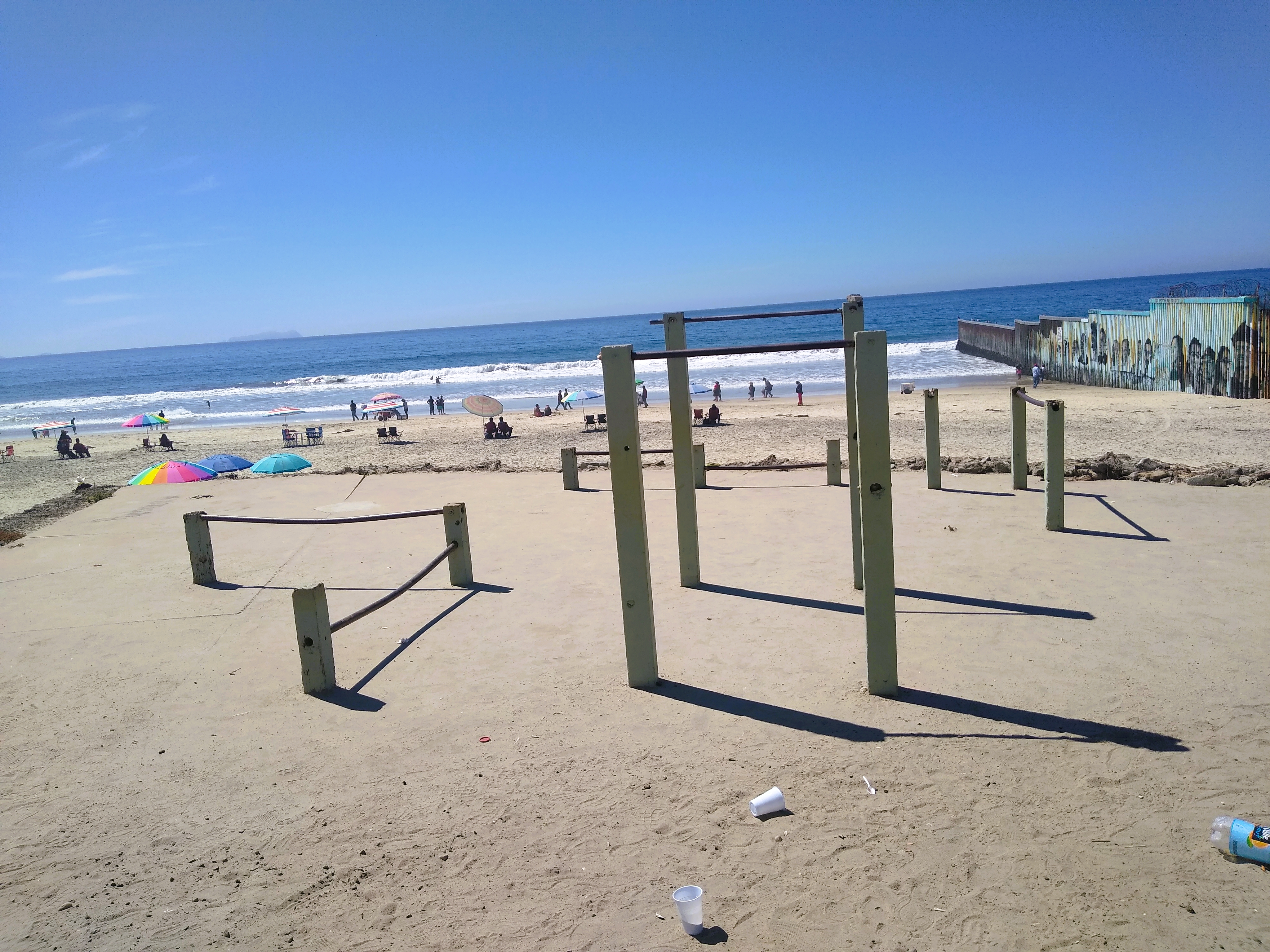
Reports on the scope of the contamination vary. One report indicates five beaches across Mexico are affected [1]. However, COFEPRIS said, "Las playas de Tijuana son las únicas en todo el país que no son aptas para uso recreativo," suggesting that Tijuana's beaches are the only ones in the country unfit for use [2].
Health officials said the danger to vulnerable populations is significant. COFEPRIS said, "Familias con niños se bañan donde el agua supera 900 enterococos por 100 ml" [1].
“Enterococci concentrations have surpassed 900 per 100 ml.”
The discrepancy between the number of contaminated beaches reported across different regions suggests a potential lag in communication or data synchronization between federal and local health monitoring stations. The continued use of these beaches despite high bacteria counts highlights a critical failure in public signage and risk communication, leaving swimmers vulnerable to preventable infections.


