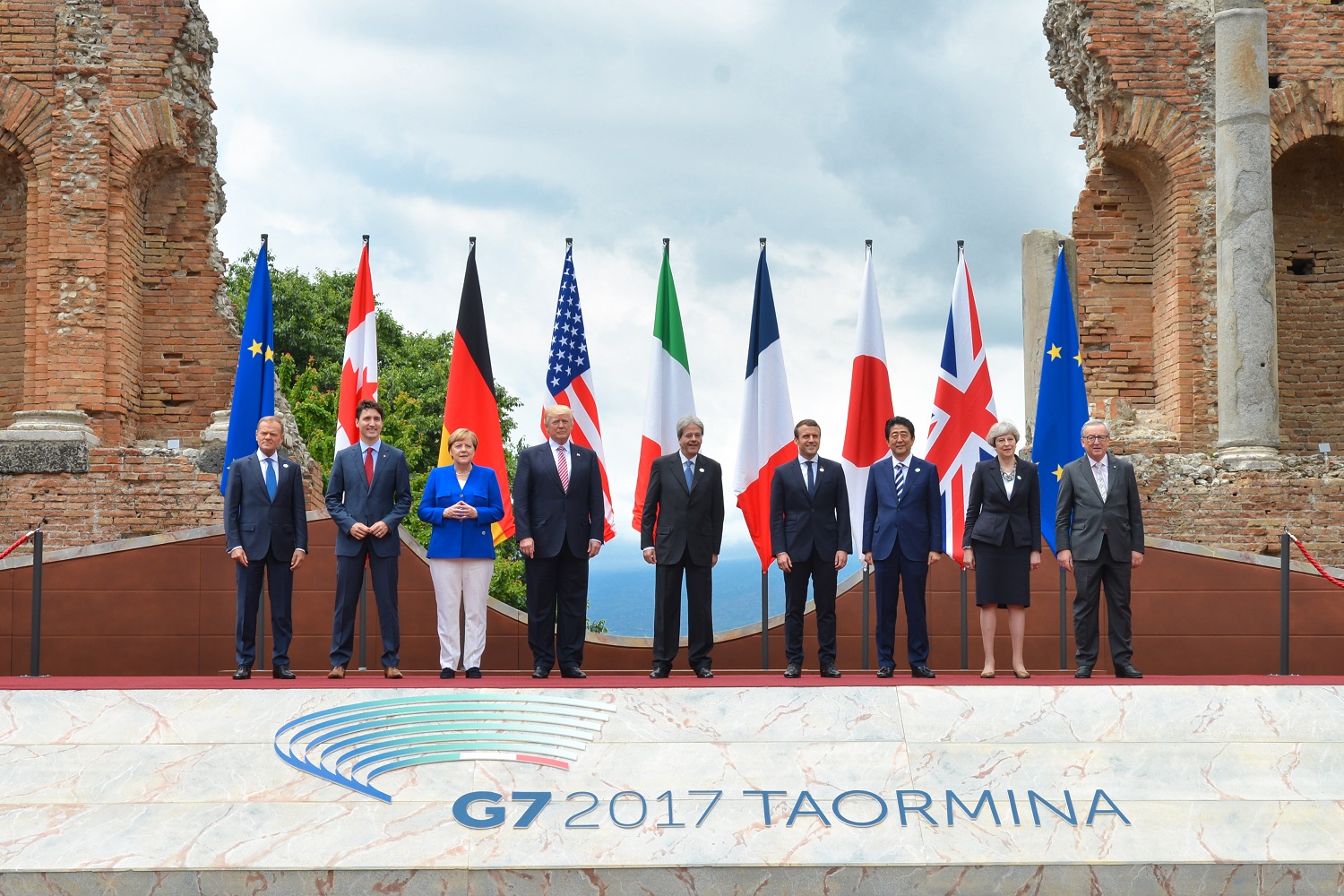
Indian Prime Minister Narendra Modi raised the deaths of three Indian seafarers with U.S. President Donald Trump during the G7 summit in France [1].
The exchange highlights growing tension over the safety of Indian citizens in volatile waters and the diplomatic pressure on the U.S. to safeguard non-combatants during military operations.
During the meeting on June 16, 2024, in Evian-les-Bains [2], Modi addressed the deaths of three Indian mariners [1]. The sailors were killed in a U.S. military strike in the Strait of Hormuz [1]. Modi said the U.S. must ensure that maritime routes remain secure for those working at sea.
"We must ensure that seafarers can work safely and that maritime routes remain secure," Modi said [1].
The Prime Minister emphasized that the safety of hundreds of thousands of Indian seafarers is a critical concern [3]. He said that these safety guarantees should be integrated into broader diplomatic agreements. "I hope that ensuring the safety of our seafarers will be a key part of the MoU we reach with Iran," Modi said [2].
President Trump responded to the Prime Minister's concerns by calling him a "beautiful angel" [4].
The discussion occurred as part of the broader G7 summit, where leaders met to discuss global security and economic stability. The Strait of Hormuz remains one of the world's most sensitive maritime chokepoints, a fact that complicates the protection of commercial shipping during military engagements [1].
“"We must ensure that seafarers can work safely and that maritime routes remain secure."”
This diplomatic friction underscores the challenge of balancing strategic military objectives with the protection of global commercial shipping. By linking the safety of seafarers to a potential Memorandum of Understanding with Iran, India is leveraging its maritime labor force as a diplomatic priority to ensure the U.S. provides better safeguards for neutral third-party nationals in conflict zones.


