
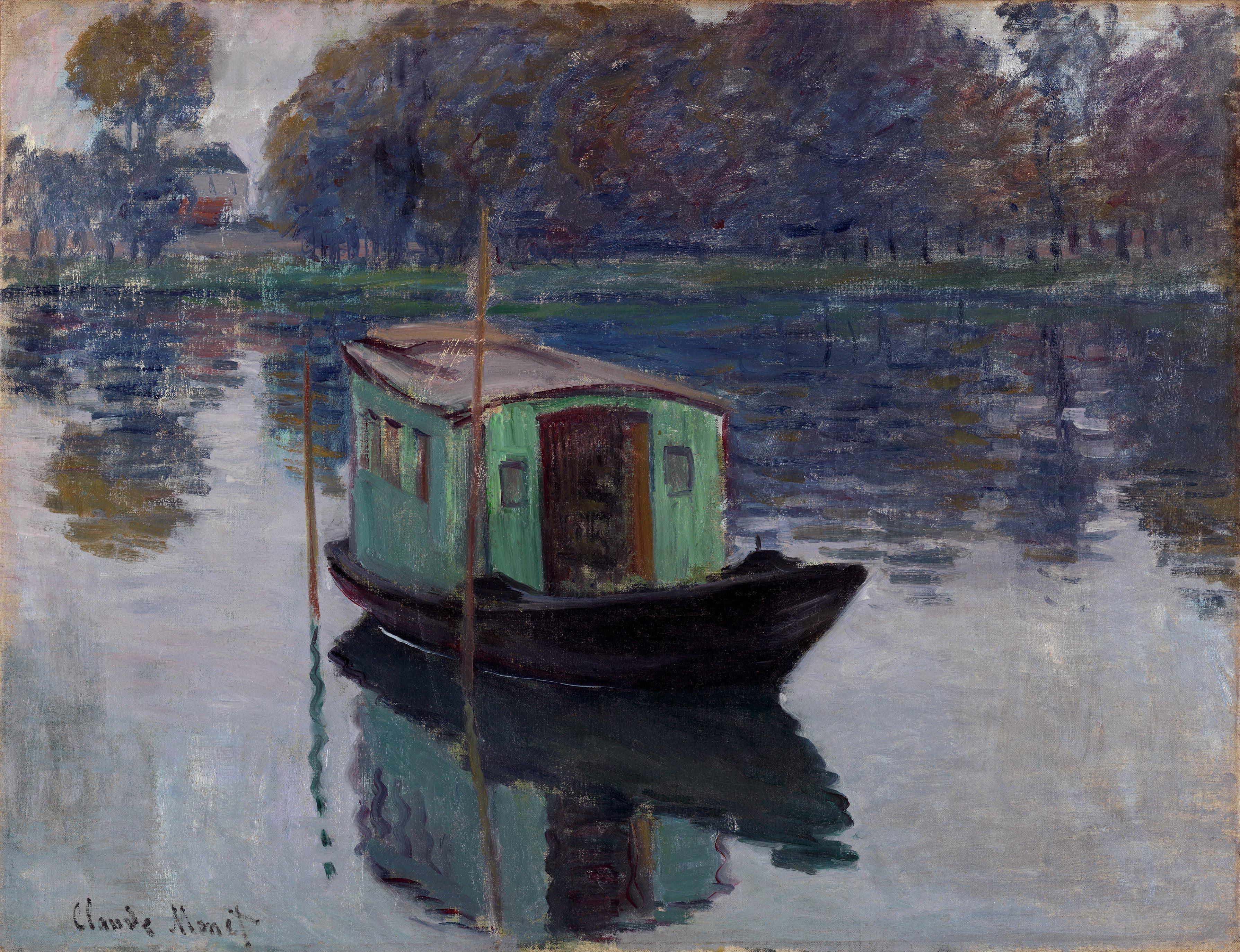
An anonymous social media user posted a genuine Monet painting last week while claiming the image was AI-generated [1].
The stunt highlights the growing difficulty in distinguishing between human-made art and machine-generated imagery. It also raises questions about whether the value of art lies in the visual result or the history of its creation.
The user, described as a "devious prankster," asked followers to analyze the image and explain why it was inferior to a real masterpiece [2]. The post said, "I just generated an image in the style of a Monet painting using AI. Please describe, in as much detail as possible, what makes this inferior to a real Monet painting" [1].
Many users responded by attempting to find flaws in the work, believing the caption's claim that the image was a synthetic copy [1]. The prankster later said that the painting was actually an authentic work by Claude Monet [2].
Reports of the incident surfaced on May 21, 2026 [1]. The prank served as a social experiment to test if people could identify the hallmarks of AI art when they were told it was present, even when the work was human-made.
Critics of AI art often argue that the lack of human intent and physical effort reduces the value of a piece. By tricking viewers into critiquing a real painting as if it were a fake, the prankster demonstrated how heavily the perception of quality depends on the perceived origin of the work [1].
“"I just generated an image in the style of a Monet painting using AI."”
This incident illustrates a psychological phenomenon where the label of 'AI-generated' overrides visual evidence. As generative AI becomes more sophisticated, the ability to verify authenticity through sight alone is diminishing, shifting the value of art toward provenance and verified human authorship.


