
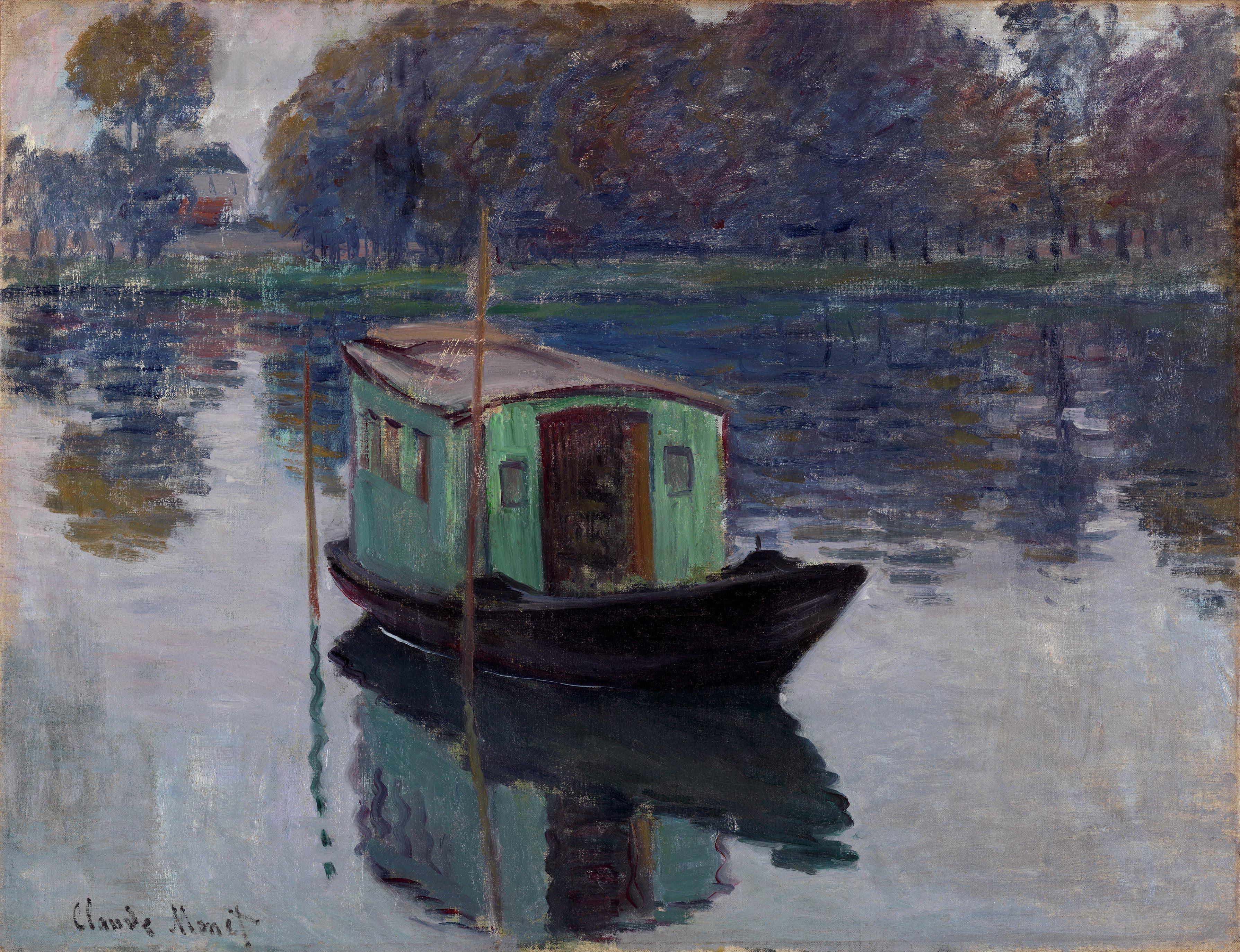
An unnamed social-media user posted a genuine Claude Monet painting while claiming the image was AI-generated to test public perception of art [1, 2].
The experiment highlights the growing difficulty in distinguishing between human-made art and machine-generated imagery as artificial intelligence becomes more sophisticated. It also reveals how the perceived origin of a work can fundamentally change how a viewer critiques its quality.
Earlier this month, the individual, referred to as a “Devious Prankster,” shared the image on an unspecified social-media platform [1, 2]. The poster asked followers to describe, in as much detail as possible, what made the image inferior to a real Monet painting [1, 2].
Users responded by listing various flaws and reasons why the work lacked the soul or technique of the French Impressionist master. Because the viewers believed the image was a product of AI, they identified shortcomings that they would likely not have seen had they known the piece was authentic [1, 2].
The prankster later said that the painting was actually a real Monet [1, 2]. The revelation sparked an online debate regarding the value of authentic art and whether the aesthetic value of a piece is tied to the identity and effort of the creator, or simply the final visual result.
Observers said that the exercise served as a social experiment on the nature of expertise and bias [1, 2]. By framing the work as a machine-made imitation, the poster successfully manipulated the audience into finding faults in a masterpiece [1, 2].
This incident follows a broader trend of digital skepticism as generative AI tools continue to flood the internet with high-fidelity images. The prank suggests that the human eye may be less reliable than previously thought when the context of the work is obscured [1, 2].
“Please describe, in as much detail as possible, what makes this inferior to a real Monet painting.”
This event demonstrates a psychological phenomenon where the label of 'AI-generated' creates a confirmation bias in viewers, leading them to perceive flaws that do not exist. As generative AI becomes indistinguishable from human output, the value of art may shift further away from visual aesthetics and more toward the verified provenance and human history behind the creation.


