
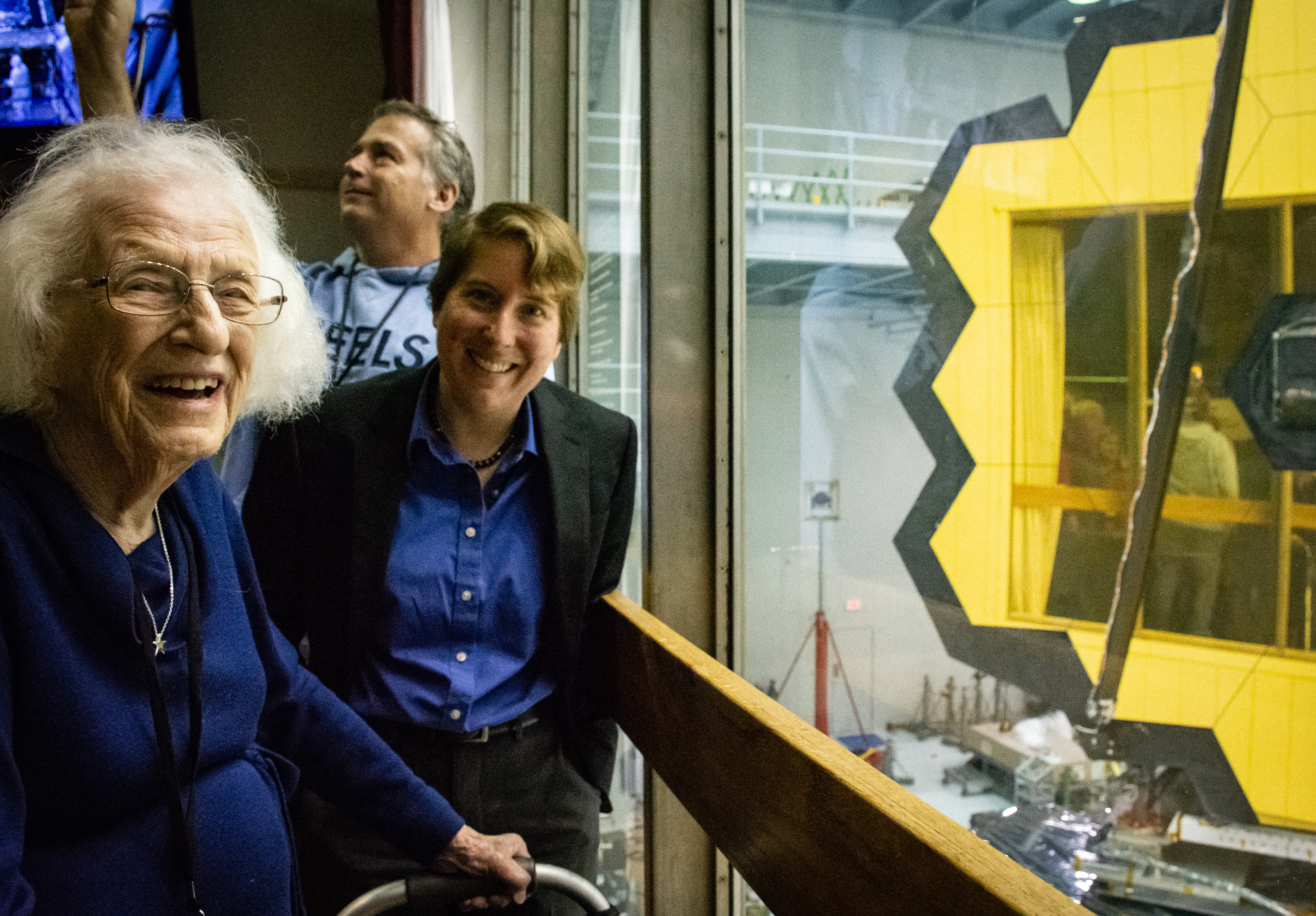
NASA plans to launch the Nancy Grace Roman Space Telescope from the Kennedy Space Center in Florida in September 2026 [3].
The mission represents a significant leap in astronomical surveying, allowing scientists to study dark matter and dark energy at a scale previously impossible. By capturing vast swaths of the sky simultaneously, the observatory aims to redefine the current understanding of the universe's expansion and composition.
The telescope is designed for unprecedented efficiency in data collection. According to NASA, one day of data from the Roman telescope is equivalent to three decades of data collected by the Hubble Space Telescope [5]. This capability is driven by a field of view that is 100 times larger than that of the James Webb Space Telescope [4].
There are varying reports regarding the exact speed of the observatory's mapping capabilities. Some data indicates the telescope will map the universe approximately 100 times faster than Hubble [2], while other reports suggest it may be up to 1,000 times faster [1].
Jason Hylan, NASA flight segment manager, said the telescope is approximately 1,000 times faster than Hubble, which will allow the team to understand dark matter and dark energy in ways that were never possible before [1].
Beyond dark energy, the mission will focus on identifying exoplanets and surveying the deep sky. The telescope will utilize a Falcon Heavy rocket for its journey from the U.S. launch site [3]. This strategic focus on wide-field imaging complements the deep-dive capabilities of other NASA observatories, providing a comprehensive map of the cosmos.
“One day of Roman data equals three decades of Hubble data”
The Nancy Grace Roman Space Telescope shifts NASA's focus from the 'needle-in-a-haystack' approach of the James Webb Space Telescope to a wide-angle survey. By prioritizing volume and speed of data collection, NASA can identify large-scale cosmic structures and anomalies that can then be targeted for detailed study by other instruments, effectively creating a cosmic census of the early universe.


