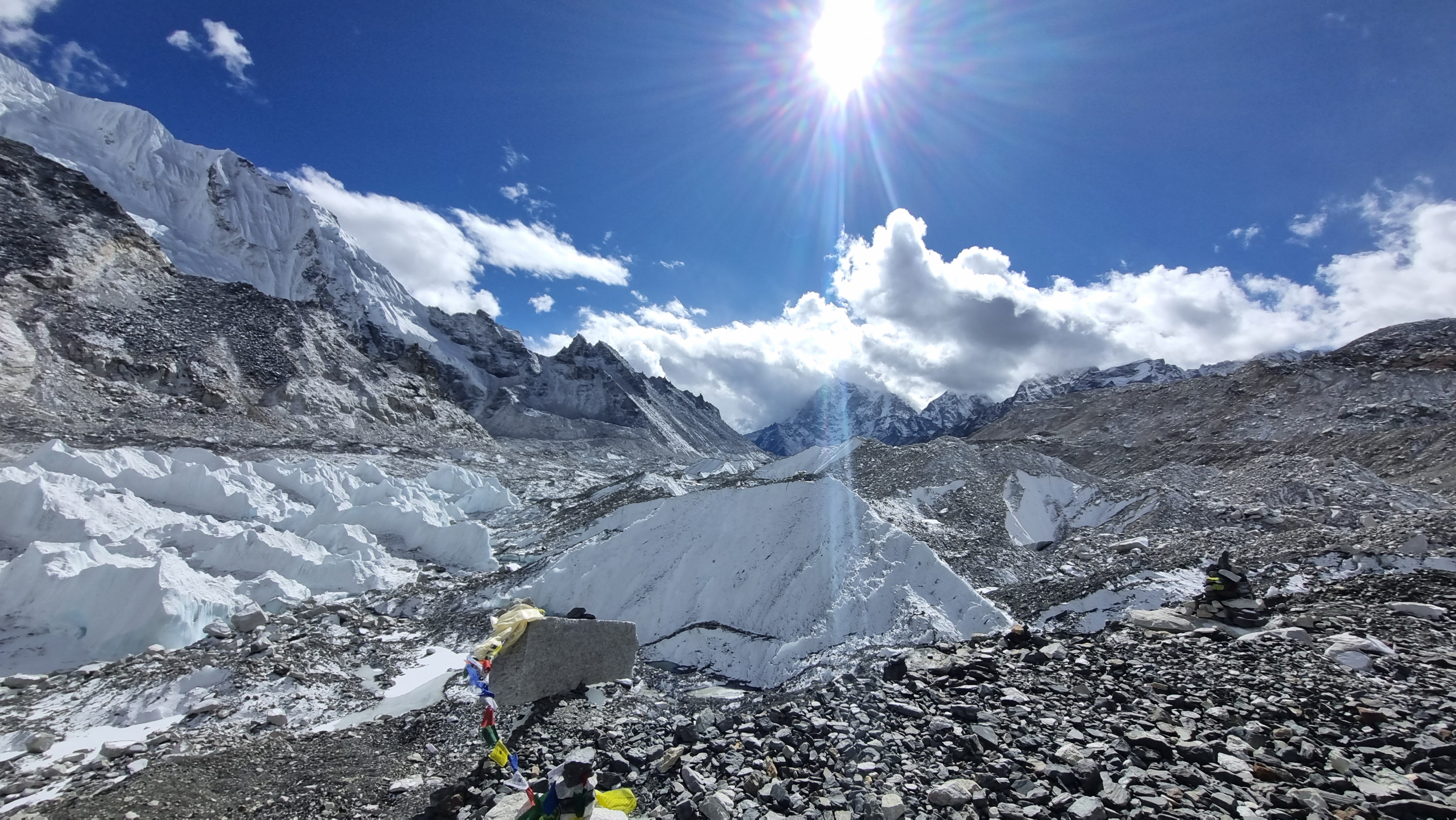
The Nepal government and Nepal Tourism Board recorded their highest ever revenue from Mount Everest climbing permits during the spring of 2024 [1].
This surge in income highlights how geopolitical shifts and pricing strategies can alter the tourism economy of the Himalayas. As China restricted access to the north side of the mountain, Nepal became the primary gateway for global climbers.
According to official data, the Nepal government issued 494 climbing permits during the spring season [1]. This resulted in total revenue of approximately 10.1 billion won [1]. The financial windfall was driven by a combination of increased demand and a price hike in permit fees, which the authorities raised to $15,000 for foreign climbers [1].
Demand spiked because China closed the Tibetan climbing route, forcing international mountaineers to use the southern route through Nepal [1]. This shift led to significant congestion on the mountain. On May 20, 2024, a record 274 climbers reached the summit via the southern route in a single day [1].
Among the influx of climbers were more than 100 Chinese nationals who opted for the Nepalese path [1]. The concentration of climbers on a single route has raised concerns regarding safety, and environmental impact, even as the government celebrates the record-breaking financial gains [1].
“The Nepal government and Nepal Tourism Board recorded their highest ever revenue from Mount Everest climbing permits”
The record revenue demonstrates Nepal's strategic leverage over the world's highest peak when alternative routes are unavailable. However, the simultaneous spike in summit arrivals suggests that financial gains may come at the cost of climber safety and mountain sustainability, as the southern route struggles to accommodate the redirected global volume.