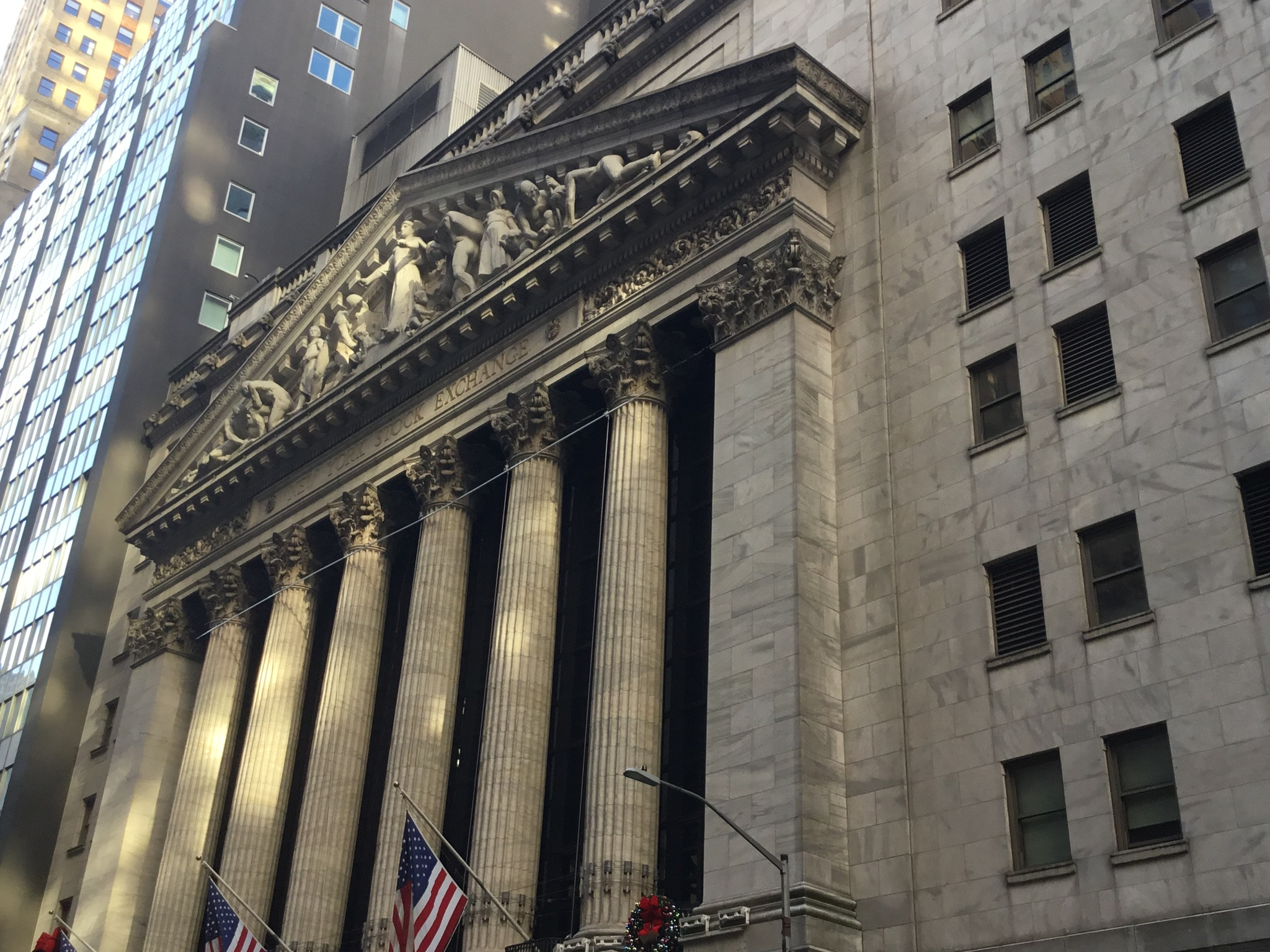
New York financial markets are experiencing a rebound as investors respond to declining energy prices and anticipated price cuts [1].
This rally indicates a shift in investor sentiment, suggesting that market participants are betting on a stabilization of global energy costs and a cooling of geopolitical frictions. Such a rebound often precedes broader economic shifts if the underlying drivers—specifically energy costs—remain low.
U.S. President Donald Trump said the movement in the markets was positive [1]. The recovery comes as investors monitor improving economic indicators that suggest a more resilient financial environment in the United States.
A primary driver of the current optimism is the prospect of reduced tensions between the U.S. and Iran [1]. Geopolitical stability in the Middle East typically correlates with lower volatility in oil markets, which in turn reduces overhead for global industries.
Market analysts said that the combination of anticipated price cuts and easing diplomatic friction has created a favorable environment for equities [1]. Investors are currently prioritizing these geopolitical signals over other macroeconomic risks.
The rebound reflects a broader hope that energy costs will continue to trend downward, providing relief to both consumers, and corporations [1]. This trend is viewed as a critical component for sustained growth in the New York markets.
“New York financial markets are experiencing a rebound”
The rally in New York markets demonstrates how sensitive global financial hubs remain to the intersection of energy pricing and Middle Eastern diplomacy. If the anticipated price cuts materialize and U.S.-Iran relations stabilize, it could lead to a prolonged period of lower inflation and increased corporate profitability, though the low confidence score of the reporting suggests these trends are still speculative.