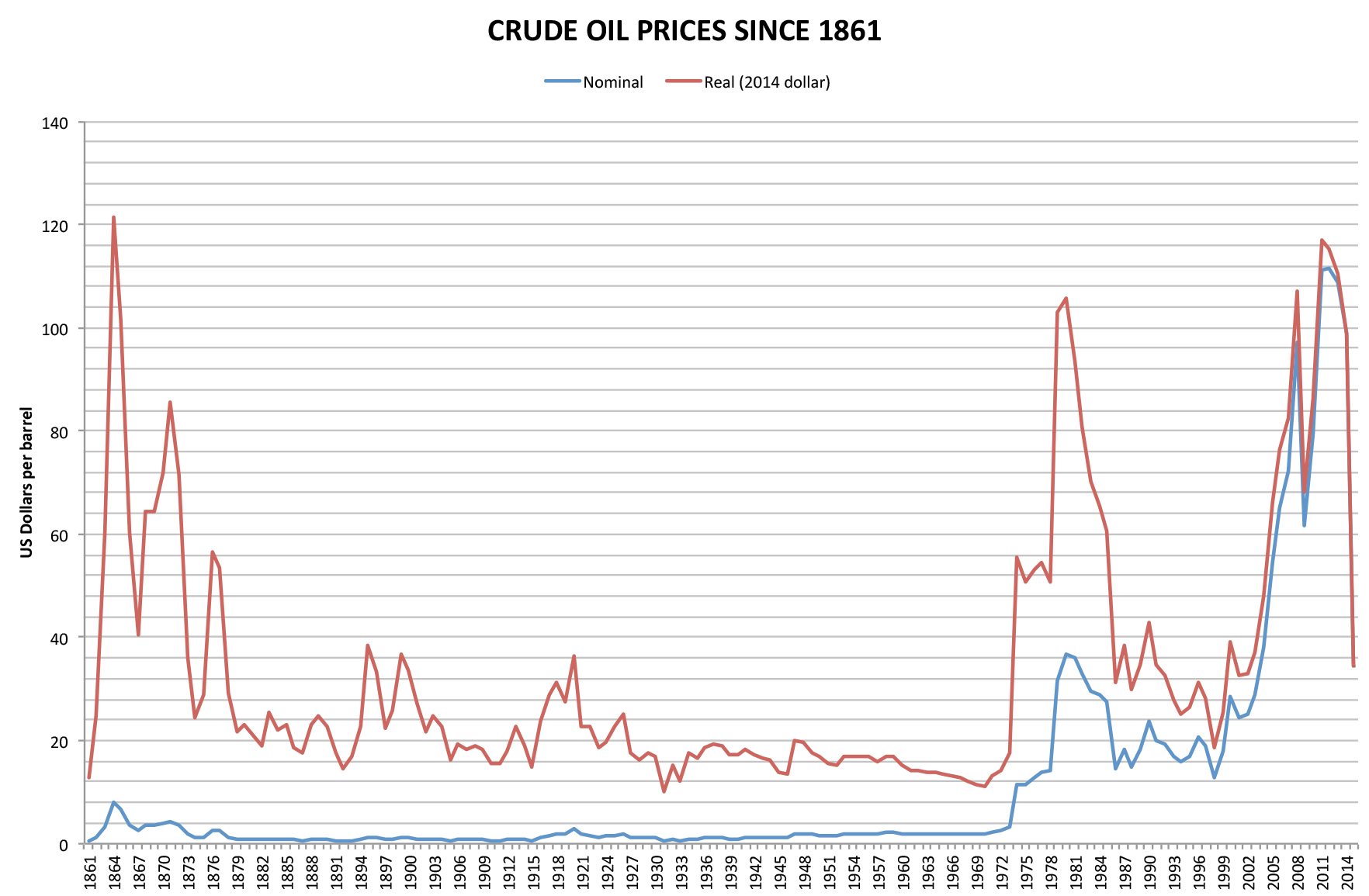
Global oil prices surged by more than 10 percent [1] on Tuesday following a renewed geopolitical stand-off in the Strait of Hormuz.
The price spike threatens to increase fuel costs for motorists and businesses worldwide as markets react to potential supply disruptions in one of the world's most critical shipping lanes.
The volatility stems from renewed tensions in the Middle East, specifically centered on the Strait of Hormuz. This narrow waterway is a primary artery for global energy exports, and any perceived threat to its stability typically triggers immediate reactions in crude oil futures.
Market analysts said that the sudden increase in prices reflects a fear of imminent supply chain interruptions. When the flow of oil through the strait is threatened, the global market often compensates for the risk by driving up the cost of existing stockpiles.
In Australia, the impact of this surge is expected to be felt directly at the pump. While crude prices do not always translate immediately to retail fuel costs, the magnitude of this jump suggests that motorists may see higher prices in the coming days or weeks [1].
The situation remains fluid as international observers monitor the stand-off. The Strait of Hormuz serves as the sole exit for oil from the Persian Gulf, making it a focal point for geopolitical leverage and economic instability.
Industry experts said that such spikes often lead to broader economic pressure, as transportation and logistics costs rise in tandem with fuel prices. This cycle can contribute to inflationary pressures across multiple sectors of the economy.
“Oil prices surged by more than 10 percent”
The surge in oil prices highlights the extreme sensitivity of the global economy to geopolitical instability in the Middle East. Because the Strait of Hormuz is a single point of failure for a significant portion of the world's oil supply, even the threat of a stand-off can create immediate price volatility. This creates a ripple effect where geopolitical tension translates into higher operational costs for transport and higher retail prices for consumers, potentially slowing economic growth in fuel-dependent regions like Australia.


