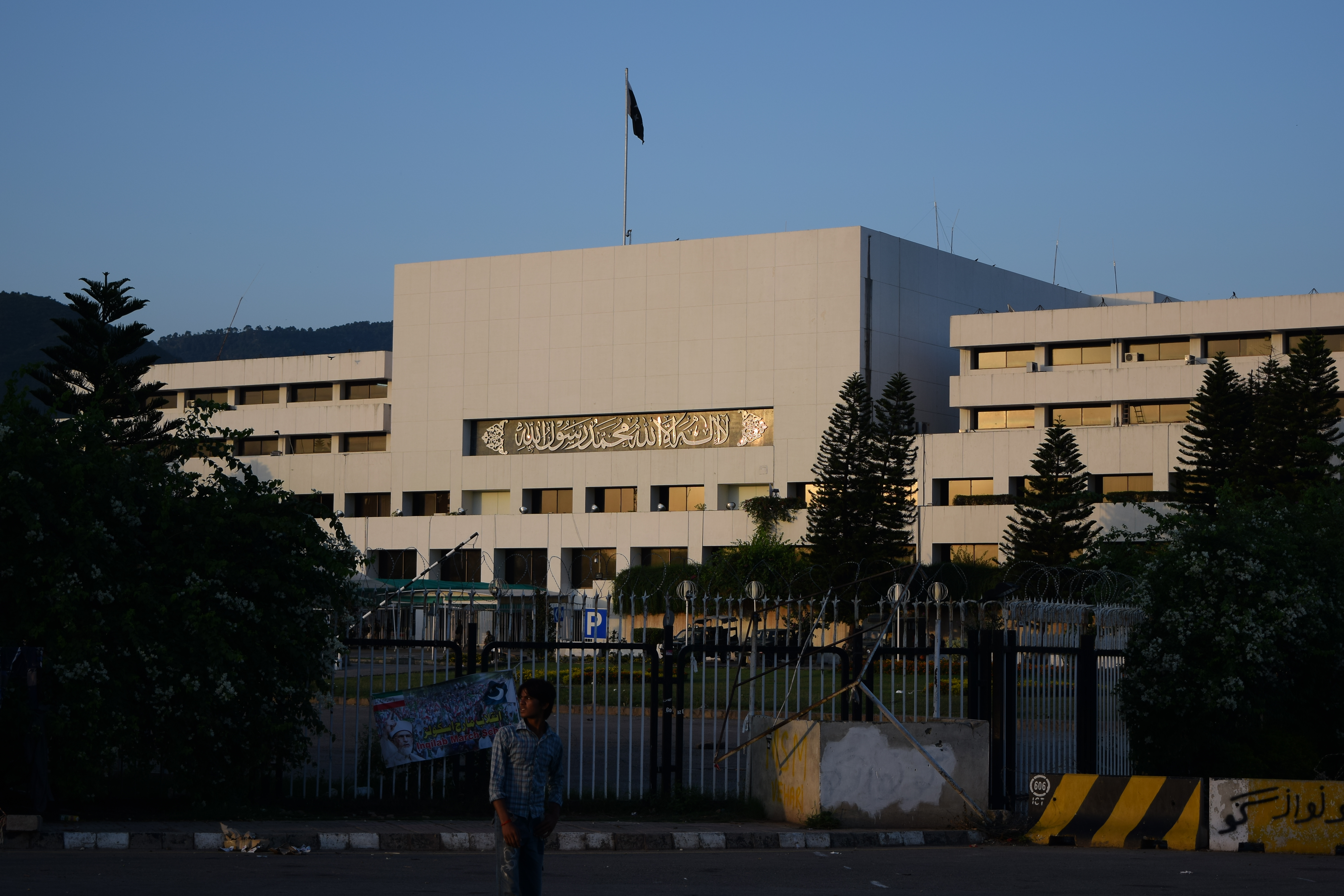
The government of Pakistan is considering an exemption for state-owned energy companies from adopting International Financial Reporting Standards (IFRS) [1].
This move would allow the state to manage the financial reporting of its energy sector without adhering to global transparency benchmarks. The decision comes as the government seeks to avoid the immediate implementation of these standards while significant circular debts remain unresolved [1].
State-owned enterprises in the energy sector have struggled with systemic financial imbalances for years. Officials said that strict adherence to IFRS would expose the full scale of these liabilities on official balance sheets before a resolution is reached [1].
According to reports, the energy sector has faced losses totaling 500 billion rupees [1]. These losses contribute to a complex web of circular debt, a situation where power producers, distributors, and fuel suppliers cannot pay one another because of unpaid government subsidies and consumer arrears [1].
"The government is set to exempt state-owned energy companies from adopting international financial reporting standards (IFRS)," a reporter for The Express Tribune said [1].
By bypassing these standards, the government can potentially delay the recognition of certain liabilities. This strategy is intended to provide a buffer while the administration works toward settling the outstanding debts that plague the power and gas sectors [1].
However, the move may draw scrutiny from international lenders and investors who rely on IFRS for standardized financial analysis. The lack of uniform reporting can make it difficult for external parties to assess the actual credit risk and solvency of Pakistan's energy infrastructure [1].
“The government is considering an exemption for state-owned energy companies from adopting International Financial Reporting Standards.”
Exempting state-owned enterprises from IFRS suggests a prioritize of short-term financial stability over long-term transparency. While this may prevent a sudden shock to the national balance sheet, it risks alienating international creditors and the IMF, who typically require standardized reporting to ensure loan sustainability and fiscal discipline.


