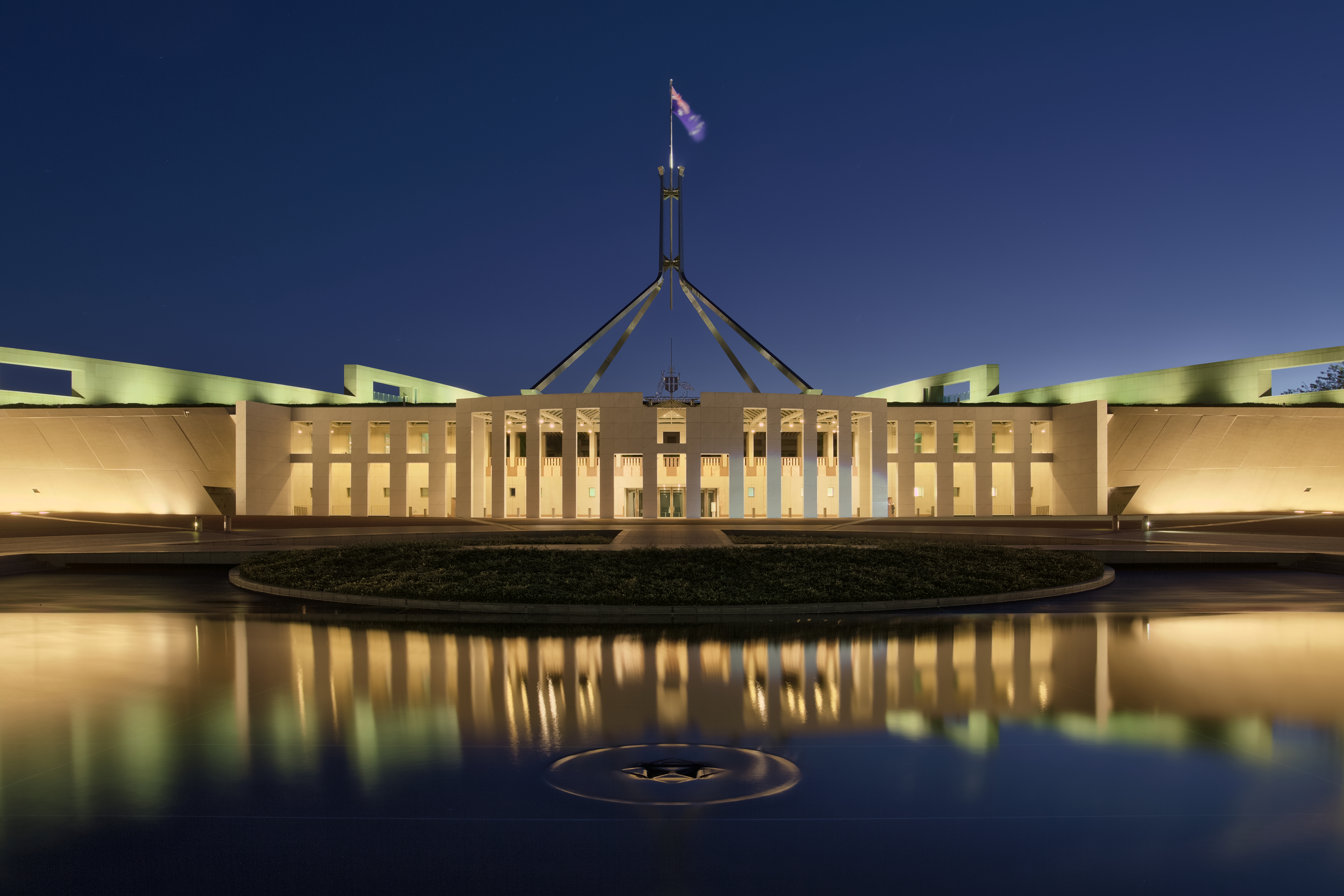
Senator Pauline Hanson, leader of One Nation, delivered a speech in Canberra outlining a vision for a monocultural Australia and stricter immigration controls.
The address signals a return to the hard-line rhetoric that has defined Hanson's political presence, attempting to capitalize on current political momentum to shift national discourse on multiculturalism.
Speaking before the press gallery in Canberra, Hanson said her party's stance on immigration and the role of religion in public life [1, 2]. While some regional reports place the event at the National Press Club, other summaries identify the venue as the Canberra press gallery [2, 3].
Hanson said Islam is a political movement rather than a faith [1]. This positioning is central to One Nation's current platform, which seeks to prioritize a specific cultural identity over the existing multicultural framework of the Australian state [1, 2].
The speech comes as Hanson marks 30 years in her political career [2]. The leader of One Nation used the platform to respond to growing pressure to clarify her party's specific policy goals regarding border security and social cohesion [1, 2].
One Nation's vision emphasizes a reduction in immigration levels to preserve what Hanson describes as a traditional Australian identity [1, 3]. The party suggests that the current trajectory of migration threatens the social fabric of the country, a claim that has historically polarized the Australian electorate [1].
Supporters of the movement view the speech as a necessary challenge to the political establishment. Conversely, critics argue that the push for a monocultural society undermines the legal and social protections afforded to diverse communities in Australia [1, 3].
“One Nation's vision emphasizes a reduction in immigration levels to preserve what Hanson describes as a traditional Australian identity.”
Hanson's explicit call for a 'monocultural' Australia represents a rejection of the multiculturalism policy that has guided Australian social and immigration law for decades. By framing Islam as a political movement, she is attempting to move the debate from religious freedom to national security, a strategy designed to appeal to voters concerned with cultural preservation and border control.


