
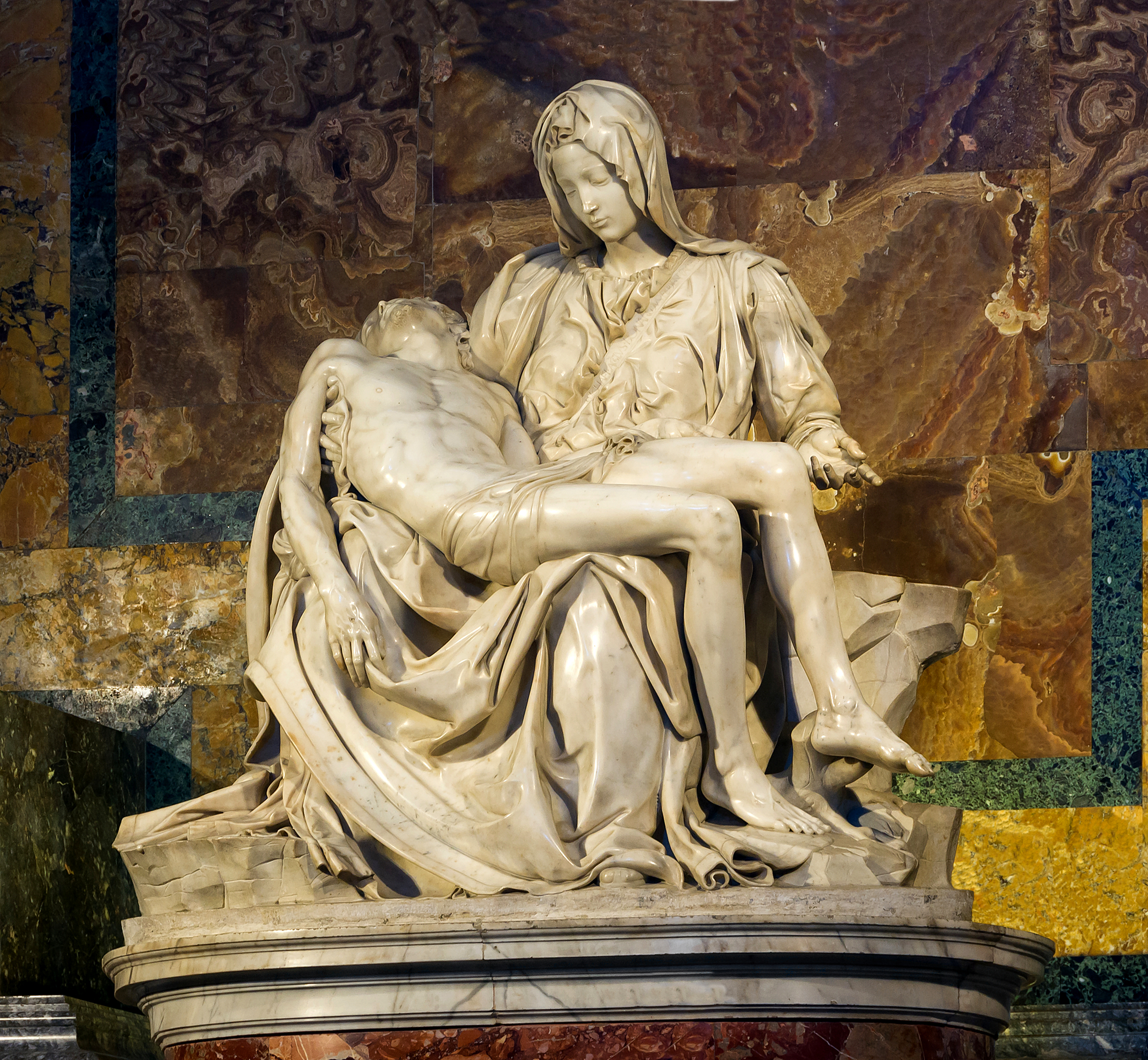
Pope Leo released his first encyclical on Monday, urging world leaders to slow the development of artificial intelligence [1].
The document, titled “Magnifica Humanitas,” positions the ethical regulation of technology as a spiritual necessity. By calling for a slowdown, the Vatican seeks to ensure that rapid technological leaps do not outpace the moral and legal frameworks required to protect human dignity.
In the encyclical, Pope Leo said that the unchecked growth of AI could lead to the proliferation of misinformation and the erosion of truth. He specifically highlighted the dangers of autonomous systems in warfare and security. "It is not permissible to entrust irreversible, lethal decisions to AI systems," the Pope said [3].
The Pope framed the current trajectory of the tech industry as a challenge to faith and human agency. He said that the attempt to build an AI future that excludes God is a temptation the world must resist [5]. This perspective suggests that the integration of AI into society must remain subservient to human moral judgment, and spiritual values.
Beyond the spiritual warnings, the encyclical calls for governments to implement strict ethical safeguards. Pope Leo said that AI ethics is a religious imperative [2]. The text argues that without global cooperation and a willingness to decelerate development, the risks of societal destabilization and dehumanization will increase.
The release of the document from Vatican City marks the first time the current pontiff has issued a formal edict on the subject of emerging technology [4]. It serves as a direct appeal to the international community to prioritize human safety over corporate or political competition in the AI race.
“"It is not permissible to entrust irreversible, lethal decisions to AI systems."”
The release of “Magnifica Humanitas” signals the Catholic Church's intent to move from passive observation to active intervention in the global AI debate. By framing AI ethics as a 'religious imperative,' Pope Leo is leveraging the moral authority of the Vatican to pressure secular governments into adopting more restrictive regulatory frameworks, specifically regarding autonomous weaponry and the preservation of human truth.


'%2F%3E%0A%20%20%20%20%3Crect%20width%3D'1600'%20height%3D'900'%20fill%3D'url(%23v)'%2F%3E%0A%20%20%20%20%3Cg%20opacity%3D'0.08'%20fill%3D'%23ffffff'%3E%0A%20%20%20%20%20%20%3Ccircle%20cx%3D'1420'%20cy%3D'180'%20r%3D'220'%2F%3E%0A%20%20%20%20%20%20%3Ccircle%20cx%3D'1500'%20cy%3D'760'%20r%3D'120'%2F%3E%0A%20%20%20%20%3C%2Fg%3E%0A%20%20%20%20%3Cline%20x1%3D'80'%20y1%3D'172'%20x2%3D'220'%20y2%3D'172'%20stroke%3D'%23ffffff'%20stroke-width%3D'3'%20stroke-opacity%3D'0.6'%2F%3E%0A%20%20%20%20%3Ctext%20x%3D'80'%20y%3D'140'%20font-family%3D'Inter%2C%20-apple-system%2C%20Helvetica%2C%20sans-serif'%20font-weight%3D'700'%20font-size%3D'28'%20fill%3D'%23ffffff'%20letter-spacing%3D'6'%3EHANNA%20%C2%B7%20NEWS%3C%2Ftext%3E%0A%20%20%20%20%3Ctext%20x%3D'80'%20y%3D'230'%20font-family%3D'Inter%2C%20-apple-system%2C%20Helvetica%2C%20sans-serif'%20font-weight%3D'600'%20font-size%3D'40'%20fill%3D'%23ffffffb3'%20letter-spacing%3D'4'%3EWORLD%3C%2Ftext%3E%0A%20%20%20%20%3Ctext%20x%3D'80'%20y%3D'622'%20font-family%3D'Playfair%20Display%2C%20Georgia%2C%20serif'%20font-weight%3D'800'%20font-size%3D'86'%20fill%3D'%23ffffff'%20letter-spacing%3D'-1'%3EBogot%C3%A1%20Residents%20Report%3C%2Ftext%3E%3Ctext%20x%3D'80'%20y%3D'721'%20font-family%3D'Playfair%20Display%2C%20Georgia%2C%20serif'%20font-weight%3D'800'%20font-size%3D'86'%20fill%3D'%23ffffff'%20letter-spacing%3D'-1'%3EUrban%20Chaos%20and%20Security%3C%2Ftext%3E%3Ctext%20x%3D'80'%20y%3D'820'%20font-family%3D'Playfair%20Display%2C%20Georgia%2C%20serif'%20font-weight%3D'800'%20font-size%3D'86'%20fill%3D'%23ffffff'%20letter-spacing%3D'-1'%3EFailures%3C%2Ftext%3E%0A%20%20%20%20%3Ctext%20x%3D'80'%20y%3D'870'%20font-family%3D'Inter%2C%20-apple-system%2C%20Helvetica%2C%20sans-serif'%20font-weight%3D'500'%20font-size%3D'22'%20fill%3D'%23ffffff66'%20letter-spacing%3D'2'%3Enews.hanna-ai.com%3C%2Ftext%3E%0A%20%20%3C%2Fsvg%3E)